
Industrial–Ideological Age (1914–1991) - Eurasia Baike
Location

Industrial–Ideological Age (1914–1991)

The twentieth century represented the crisis of European hegemony and the emergence of ideological competition as the defining feature of international politics. The First World War destroyed the Austro-Hungarian, Ottoman, Russian, and German empires, bankrupted Britain, and created the conditions for Bolshevik revolution. The interwar period witnessed failed attempts to reconstruct international order through the League of Nations, followed by the Great Depression's devastation of global trade and the rise of fascist, Nazi, and militarist challenges to the liberal international order. The Second World War completed Europe's self-destruction and established the United States and Soviet Union as superpowers whose ideological antagonism would structure global politics for four decades.

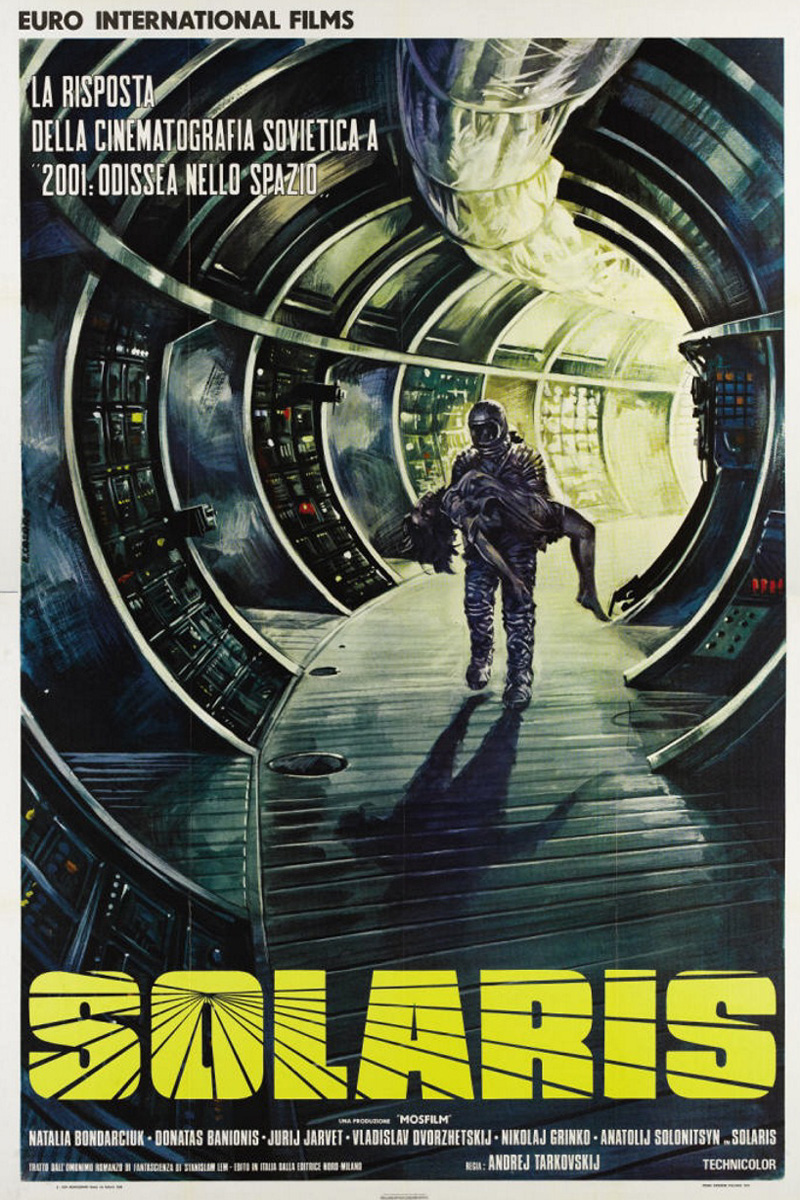
The Cold War created a bipolar international system organized around competing modernities. The American-led bloc championed liberal democracy, market capitalism, and multilateral institutions; the Soviet bloc promoted state socialism, planned economies, and proletarian internationalism. This competition played out globally through proxy wars, nuclear brinkmanship, developmental competition, and cultural rivalry. Decolonization transformed the international system as Asian and African nations achieved formal independence, often aligning with one superpower or attempting "non-alignment." The United Nations provided a forum for rhetorical contestation, but real power remained concentrated in Washington and Moscow.

The period's technological and social transformations were equally profound. Nuclear weapons created existential mutual vulnerability that paradoxically stabilized superpower relations; the space race, computing, and biotechnology demonstrated science's military and economic implications; mass media enabled unprecedented propaganda reach; and social movements—civil rights, feminism, environmentalism, national liberation—challenged established hierarchies. The Soviet collapse in 1991—precipitated by economic stagnation, imperial overextension, and ideological exhaustion—left the United States as unipolar hegemon, seemingly vindicating liberal capitalism. Yet the Cold War's legacy persisted: institutionalized alliances, nuclear arsenals, divided states, and the unresolved tension between universalist aspirations and particularist identities that would resurface in the post-Cold War era.