
Nikolai Grinko
Nikolai Grigorievich Grinko (May 22, 1920 – April 10, 1989) was a prominent Soviet actor, celebrated for his expressive screen presence and memorable character roles in film and theatre. He is best known for his frequent collaborations with director Andrei Tarkovsky, where his performances contributed to some of the most iconic works of Soviet cinema. Grinko’s acting style combined gentle humanity, moral depth, and quiet authority, making him a beloved figure in both dramatic and supporting roles.
Born in Kherson, Ukrainian SSR (now Ukraine), Grinko began his artistic career during World War II as part of a front‑line concert brigade, entertaining Soviet troops. After the war, he joined the Donetsk Drama Theatre, where he honed his craft as a stage actor. His early theatrical work showcased his ability to embody a wide range of characters, from comedic to deeply dramatic. In the 1950s, he transitioned to film, gradually building a reputation as a reliable and nuanced performer capable of conveying profound emotional states with minimal dialogue.
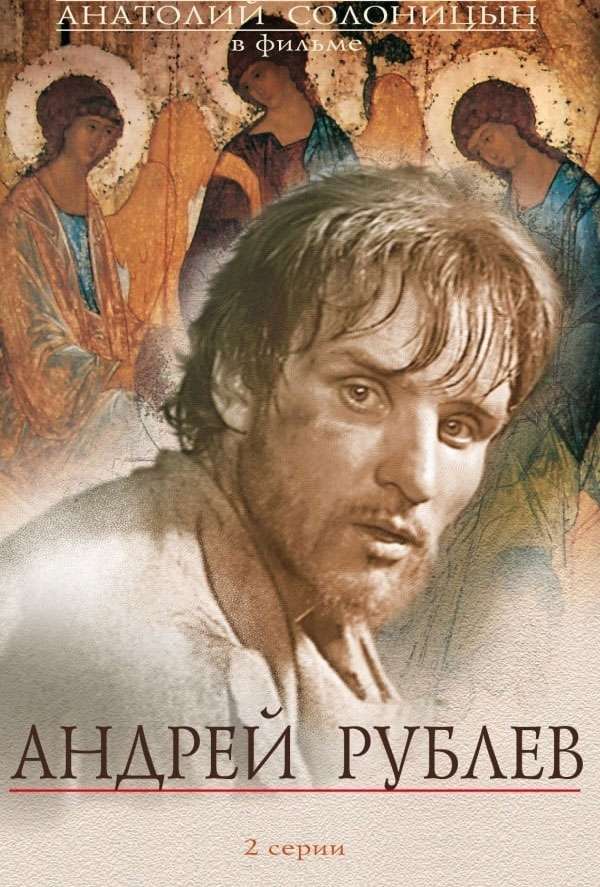
Grinko’s breakthrough in cinema came through his collaborations with Andrei Tarkovsky. He played the role of the Writer’s Father in Ivan’s Childhood (1962), a film that won the Golden Lion at the Venice Film Festival. This marked the beginning of a fruitful artistic partnership. He later appeared in Andrei Rublev (1966) as Foma, a monk struggling with faith and doubt, and in Solaris (1972) as the elderly and wise Professor Snaut. These roles established Grinko as a key figure in Tarkovsky’s cinematic universe, known for bringing moral weight and emotional authenticity to complex narratives about human consciousness, spirituality, and memory.
Beyond his work with Tarkovsky, Grinko appeared in numerous other Soviet films across genres. He played a sympathetic grandfather figure in The Adventures of Buratino (1975), a beloved children’s fantasy film, showcasing his ability to connect with younger audiences. Other notable roles include appearances in Tale of Tales (1978) and The Ascent (1977). His voice was also featured in animation and dubbing, further expanding his cultural reach. Grinko’s performances were often characterised by a sense of quiet dignity, wisdom, and compassion, making even minor roles memorable and impactful.
Nikolai Grinko received several state honours for his contributions to Soviet cinema, including the title of People’s Artist of the Ukrainian SSR (1973). He remained active in film and television until his death in 1989. His legacy endures through his body of work, which continues to be studied and appreciated for its depth and humanity. Grinko is remembered not only as a masterful character actor but also as a symbol of moral integrity in Soviet cinema — an artist whose performances resonate with audiences across generations.
1979