
Andrei Tarkovsky
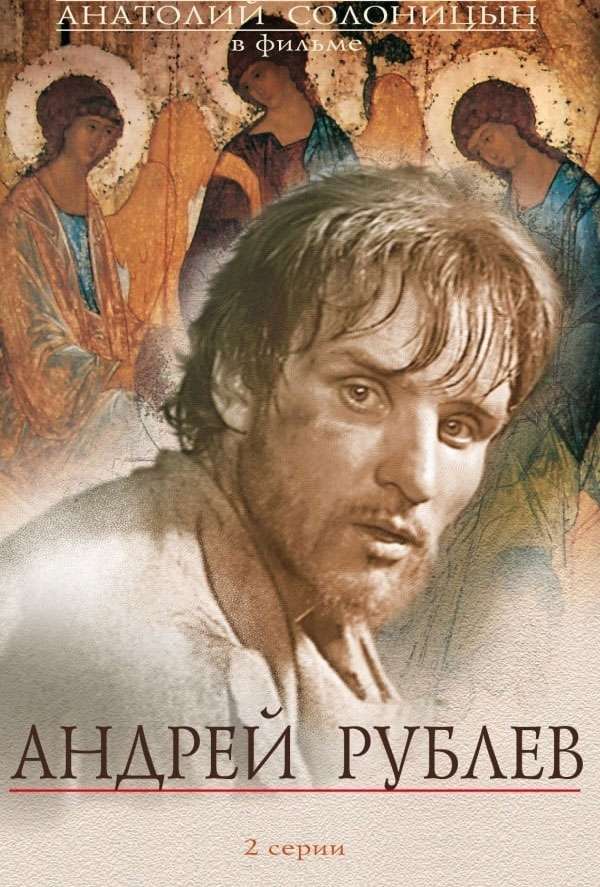
Andrei Tarkovsky (1932–1986), the son of a poet, grew up to become one of the most profound and influential directors in cinema history. Born in Ivanovo Oblast, Russia, he graduated from the Moscow State Film Institute in 1960 before directing his debut feature, Ivan's Childhood (1962), a harrowing war drama adapted from Vladimir Bogomolov's novel. The film took home the Golden Lion at the 27th Venice International Film Festival, announcing the arrival of a filmmaker with a rare gift for weaving poetic imagery and existential themes into a single, seamless vision. His follow-up, Andrei Rublev (1966), an epic portrait of a medieval icon painter navigating spiritual and political upheaval, ran into censorship trouble at home but traveled well abroad, winning the FIPRESCI Prize at Cannes and confirming his international standing.
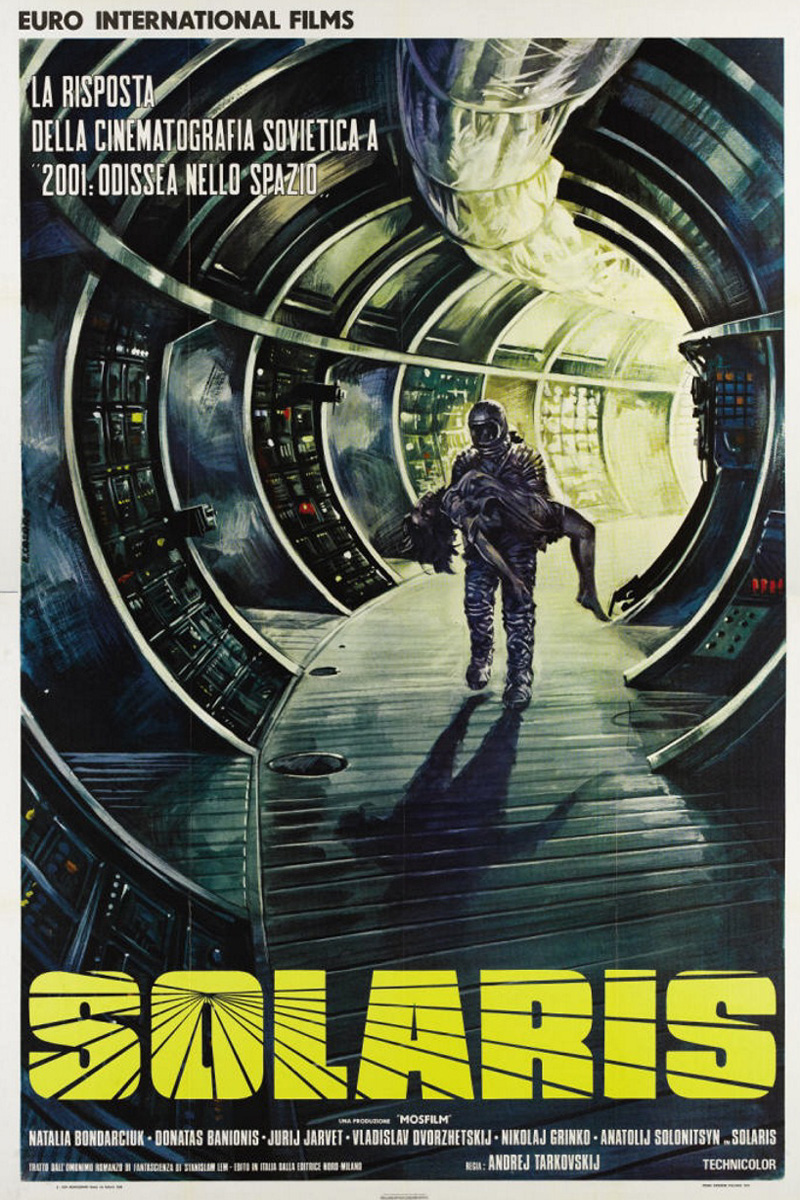
What defined Tarkovsky's films above all else was their unhurried, meditative quality — long takes that trusted the viewer to sit with images of memory, time, and spiritual longing. His 1972 science-fiction masterpiece Solaris, drawn from Stanisław Lem's novel, turned the genre inside out by trading external spectacle for internal emotional landscapes, earning the Grand Prix at Cannes in the process. Mirror (1975), a semi-autobiographical drift through dreams and recollection, and Stalker (1979), a dystopian allegory built around a mysterious forbidden "Zone," deepened his reputation as a director more interested in philosophical inquiry than conventional storytelling. That restless search for meaning continued into exile: Nostalgia (1983), filmed in Italy after he left the Soviet Union for good, and The Sacrifice (1986), his final work, a post-apocalyptic meditation on faith, both triumphed at Cannes — the first winning Best Director, the second the Grand Prix.
In a career that stretched to just seven features, Tarkovsky's reach proved extraordinary. Lars von Trier, Wim Wenders, and Christopher Nolan have all pointed to him as a formative influence, and Ingmar Bergman — no minor authority — called him "the most important director of our time," crediting him with inventing a genuinely new cinematic language. His theoretical writings, gathered in Sculpting in Time (1986), gave a clear account of his artistic faith: film, he believed, could capture life's "unseen essence," and he resisted symbolic readings in favor of direct, unmediated emotional experience. That philosophy was inseparable from his visual instincts — the recurring presence of water, fire, and fog, the preference for real locations and non-professional actors, all of it conspiring to dissolve the boundary between the real and the imagined.
His relationship with Soviet authorities was a source of persistent friction throughout his career; accusations of "bourgeois decadence" shadowed him, and creative restrictions eventually drove him into self-imposed exile in 1983. He died of lung cancer in Paris in 1986, aged 54. Posthumous recognition came in the form of a British Academy Award for Best Foreign Language Film for The Sacrifice, along with major retrospectives at institutions like MoMA. Yet the most fitting measure of his legacy may simply be the durability of his films themselves — works that continue, decades on, to confront audiences with cinema's capacity to illuminate the deepest questions of human existence, earning him, with good reason, the enduring title of "the poet of cinema."
1979