

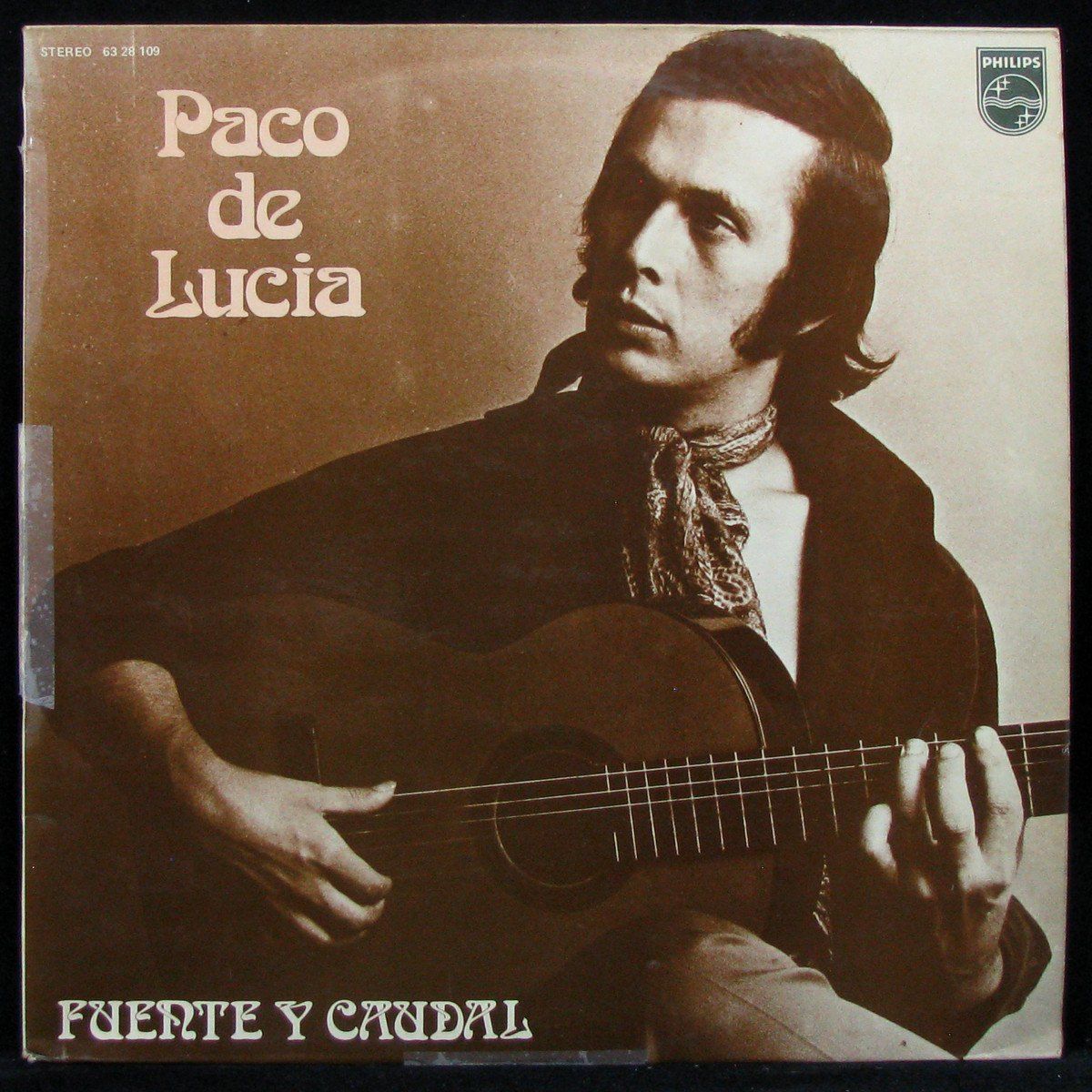
In the mid-1970s, as Spain cautiously emerged from the shadows of dictatorship, a revolutionary sound rippled from the guitar of Paco de Lucía. “Entre Dos Aguas” (“Between Two Waters”), a composition that would become his signature, was not conceived as a cultural manifesto, but precisely that is what it became. Emerging from a 1973 recording session where an album was short of material, de Lucía and his group improvised this piece, blending the profound compás (rhythm) of traditional flamenco with the electric bass, organ, and hand percussion evocative of jazz-fusion and rock. The result was neither pure flamenco nor foreign pop, but a fluid, dynamic entity existing in the fertile estuary between them. The title itself, a phrase describing a state of indecision, perfectly captured the artist’s—and a nation’s—position: poised between the deep, revered waters of tradition and the enticing, uncharted currents of modernity.
Musically, the piece is a masterclass in controlled tension and release. It begins with the unmistakable, rhythmic pulse of a flamenco rumba, established by de Lucía’s intricate rasgueado (strumming) and the crisp clap of palmas. Soon, Carles Benavent’s melodic, sliding electric bass enters not as an intruder but as a co-conspirator, weaving a contemporary groove that lifts the rhythm. The improvisational core, led by de Lucía’s dizzyingly fast and lyrical picados (scale runs), speaks a language of profound emotion—alternating between fiery passion, melancholic reflection, and exuberant joy. This was not flamenco diluted for popular consumption; it was flamenco expanded, its heart amplified by new sonic colors, proving the form could evolve without sacrificing its soul.
At its core, «Entre Dos Aguas» is a virtuosic display of de Lucía’s guitar technique. His right hand dances across the strings with machine‑gun precision, while his left hand navigates complex phrasings and microtonal bends that speak the language of duende — the soulful, almost supernatural essence of flamenco. Yet technical mastery never overshadows emotion: every note carries longing, restlessness, and a yearning for connection. The interplay between rapid arpeggios and moments of haunting silence creates a tension that mirrors the song’s lyrical themes — being caught «between two waters», suspended in a liminal space of desire and loss.
The societal impact of this fusion was profound. At a time when flamenco was often ghettoized as folkloric or tourist spectacle, Paco de Lucía, alongside contemporaries like Camarón de la Isla, dragged it into the contemporary arena. “Entre Dos Aguas” became a massive, unexpected hit, its infectious rhythm dominating Spanish radio and infiltrating mainstream consciousness. It forced a reevaluation: flamenco was not a museum piece but a living, breathing art form capable of dialogue with the global sounds of the era. For a Spain in transition, the song served as a metaphor for the national condition—honoring its deep, often painful history while energetically, optimistically reaching for a new, more open European identity. It provided a soundtrack for change that felt both innovative and authentically rooted.