

Natalya Bondarchuk
Natalya Sergeyevna Bondarchuk (born May 10, 1950) is a Soviet and Russian actress, film director, and screenwriter, recognised for her contributions to cinema both in front of and behind the camera. She is known for her expressive acting style and her dedication to preserving and promoting Russian cultural heritage through film and education. Bondarchuk’s career bridges the Soviet era and contemporary Russian cinema, reflecting key shifts in the country’s artistic landscape.
Born in Moscow into a prominent film family, Natalya is the daughter of acclaimed director Sergei Bondarchuk and actress Inna Makarova. This artistic upbringing deeply influenced her path: she studied acting at the All‑Union State Institute of Cinematography (VGIK), graduating in 1971. Her early roles showcased her ability to portray complex, emotionally nuanced characters. Her breakthrough came with the role of Kharitina in The Red Snowball Tree (1973), a drama that established her as a rising star of Soviet cinema and highlighted her capacity for conveying deep inner conflict and vulnerability.
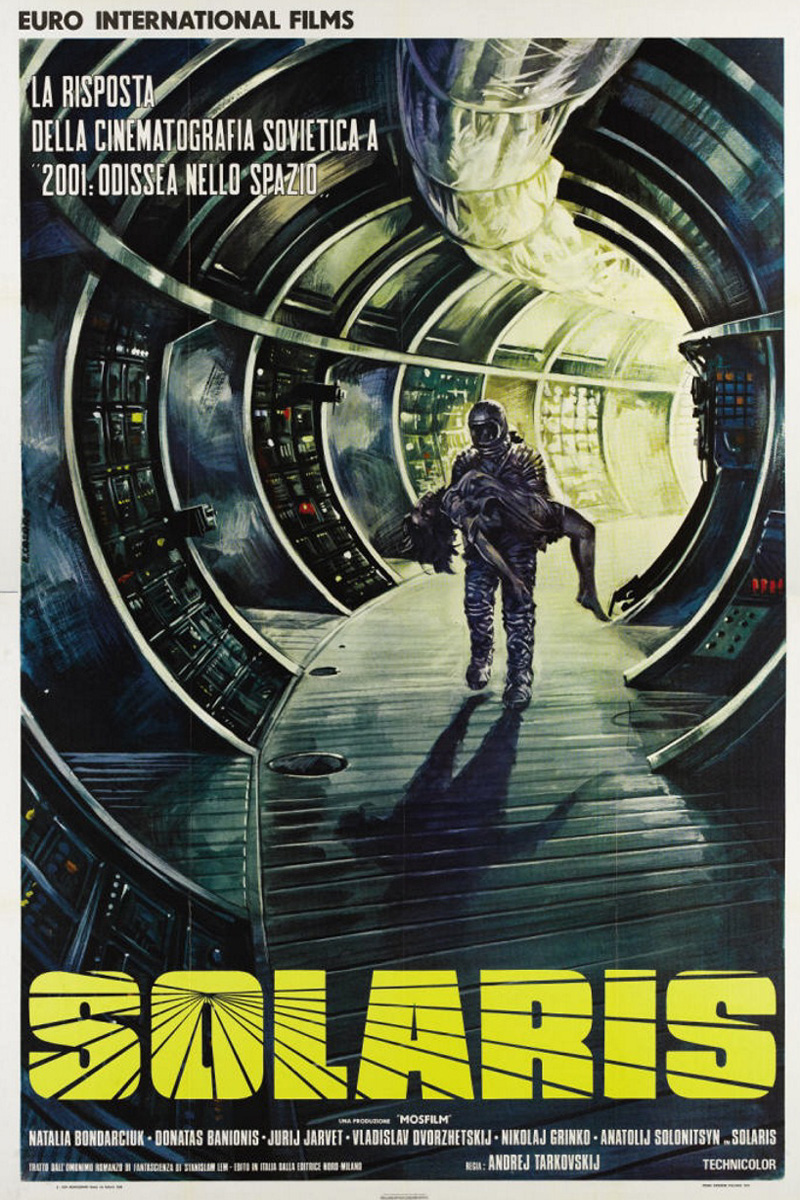
Bondarchuk gained international recognition for her portrayal of Halya in Andrei Tarkovsky’s Solaris (1972). Despite her relatively young age at the time, she held her own alongside seasoned actors, delivering a performance marked by restrained emotion and psychological depth. The film’s success at international festivals brought her attention beyond the Soviet Union and cemented her status as a serious dramatic actress. Other notable screen roles include appearances in The Youth of Peter the Great (1980) and The Captain’s Daughter (1999), where she demonstrated versatility across historical and literary adaptations.
In the 1980s, Bondarchuk expanded her career into directing and screenwriting. Her directorial debut, The Little Prince (1993), reflected her interest in literary adaptations and children’s cinema. She later directed Pushkin: The Last Duel (2006), a biographical drama about the poet’s final years that combined her passions for Russian literature and historical storytelling. Through her films, she has sought to connect contemporary audiences with Russia’s cultural legacy. She has also been active in film education, founding the Slovo (Word) International Film Festival for Young Filmmakers, which supports emerging talent and promotes cinematic dialogue.
Natalya Bondarchuk has received numerous accolades for her work, including the title of Honored Artist of the Russian Federation. Her multifaceted career — as actress, director, educator, and festival organiser — reflects a lifelong commitment to the arts. She continues to contribute to Russian cinema through mentoring young filmmakers and participating in cultural initiatives. Bondarchuk’s legacy lies not only in her memorable performances but also in her efforts to nurture new generations of artists and preserve the humanistic values of Russian film tradition.
1971
