

Jüri Järvet
Jüri Järvet (August 18, 1919 – July 5, 1995) was a Soviet-Estonian actor celebrated for his significant contributions to theatre and cinema in the Soviet Union and Estonia. He is widely regarded as one of the most distinguished Estonian performers of the 20th century, known for his powerful stage presence and versatile acting range. Järvet’s career spanned several decades, during which he became a cultural icon both in his home country and beyond.
Born in Tallinn, Estonia, Järvet began his artistic journey in the 1930s. He trained at the Estonian State Theatre School and made his stage debut in the mid‑1940s. From the outset, he demonstrated a strong affinity for classical theatre. He joined the Estonian Drama Theatre in Tallinn — one of the country’s leading stages — where he performed in numerous productions of Shakespeare, Goethe, and Estonian national dramas. His stage work earned him critical acclaim and established his reputation as a leading dramatic actor.
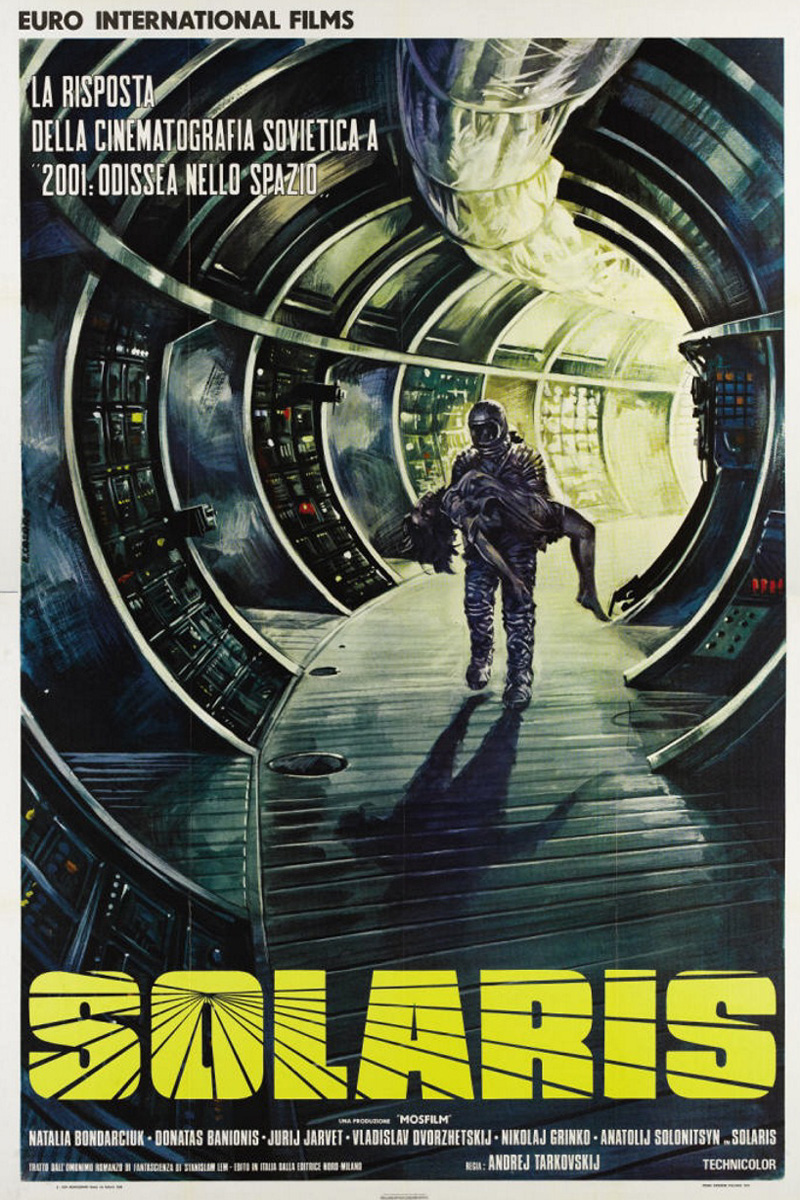
Järvet’s breakthrough in film came in the 1960s, but his most internationally recognised role was in Andrei Tarkovsky’s Solaris (1972), where he played the character Snaut. This science‑fiction drama brought him attention outside the Soviet bloc and highlighted his ability to convey deep psychological complexity with minimal dialogue. Prior to that, he had already gained popularity in the USSR through films such as King Lear (1971), in which he portrayed the Fool — a performance praised for its emotional depth and subtlety.
Throughout his career, Järvet appeared in over 40 films and countless stage productions. He was particularly skilled at portraying intellectual, morally complex, or eccentric characters. Notable screen roles include appearances in The Last Relic (1969), The Old Man Wants to Die (1990), and The Hermit (1982). His acting style combined restraint with intense inner life, allowing him to bring nuance to both tragic and comedic roles. He remained active in theatre until late in life, continuing to perform at the Estonian Drama Theatre well into the 1980s.
Järvet received multiple honours for his work, including the title of People’s Artist of the Estonian SSR (1969) and the People’s Artist of the USSR (1975). He was also awarded the Order of the White Star, one of Estonia’s highest civil decorations. After his death in 1995, he was remembered as a master of stage and screen whose performances set a high standard for future generations. His legacy endures in Estonian cultural memory, and his films continue to be studied and appreciated for their artistic merit.
1971
