

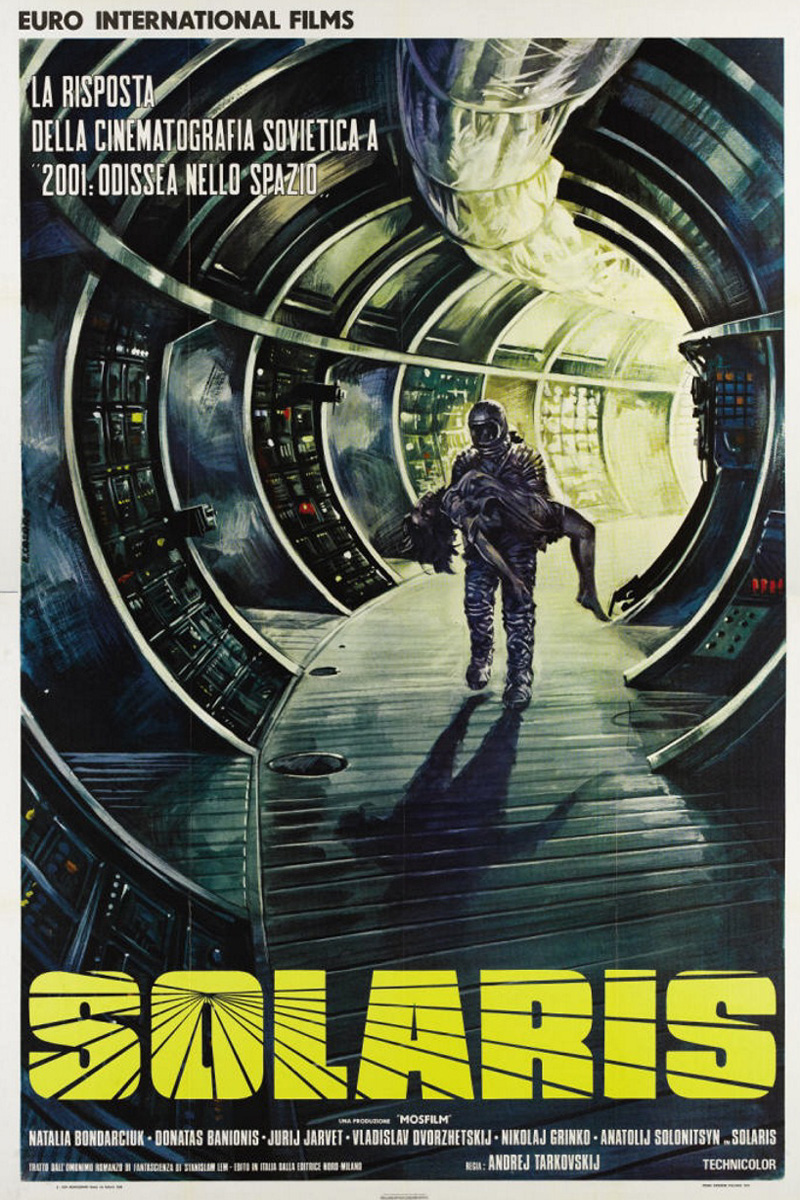
Vladislav Dvorzhetsky - Eurasia Baike
Actor

Vladislav Dvorzhetsky

Vladislav Vatslavovich Dvorzhetsky (April 26, 1939 – May 28, 1978) was a Soviet actor celebrated for his intense screen presence and memorable performances in film and theatre. Despite a relatively short career, he left a lasting mark on Soviet cinema, particularly through his portrayals of complex, often tormented characters. Dvorzhetsky’s work is noted for its emotional depth, psychological nuance, and the rare ability to convey inner conflict with minimal dialogue.

Born in Omsk, Soviet Union, Dvorzhetsky came from a theatrical family: his father, Vatslav Dvorzhetsky, was a well‑known stage actor. Vladislav initially pursued a different path, studying at the Omsk Medical Institute, but soon turned to acting. He graduated from the Omsk Theatre School in 1967 and began his professional career at the Omsk Drama Theatre. There, he built a reputation as a compelling stage performer, taking on roles in both classical and contemporary plays. His early work showcased his talent for psychological characterisation and emotional expressiveness.

Dvorzhetsky’s breakthrough in cinema came in 1970 with the role of Captain Khlebnikov in The Flight (Begstvo), a historical drama set during the Russian Civil War. His portrayal of a conflicted military officer earned critical acclaim and brought him national attention. This success led to further prominent roles, including the enigmatic Stranger in Seventh Bullet (1972) and the doomed scientist in Captain Nemo (1975). Each performance demonstrated his ability to embody characters caught between duty, ideology, and personal tragedy — a recurring theme in his filmography.

Throughout the 1970s, Dvorzhetsky appeared in a series of films that solidified his status as one of the most distinctive actors of his generation. Notable works include The Red Tent (1969), where he played the Italian engineer Felice Trojani, and The Ordeal (Ispytanie, 1972), based on a novel by Aleksey Tolstoy. His collaborations with directors such as Vladimir Vengerov and Mikhail Schweitzer allowed him to explore a range of dramatic roles, from historical figures to morally ambiguous protagonists. Despite his growing popularity, Dvorzhetsky remained selective about roles, preferring depth and complexity over commercial appeal.

Vladislav Dvorzhetsky’s career was tragically cut short by his death at the age of 39 in 1978. Despite this, his legacy endures in Soviet cinema history. His performances are remembered for their authenticity, intensity, and the ability to convey profound human experiences within the constraints of the era’s film language. Posthumously, he has been recognised as an actor of rare talent whose work continues to inspire new generations. Retrospectives of his films and scholarly analyses of his acting style affirm his place among the most significant figures of 20th‑century Soviet film.

Location (country):