

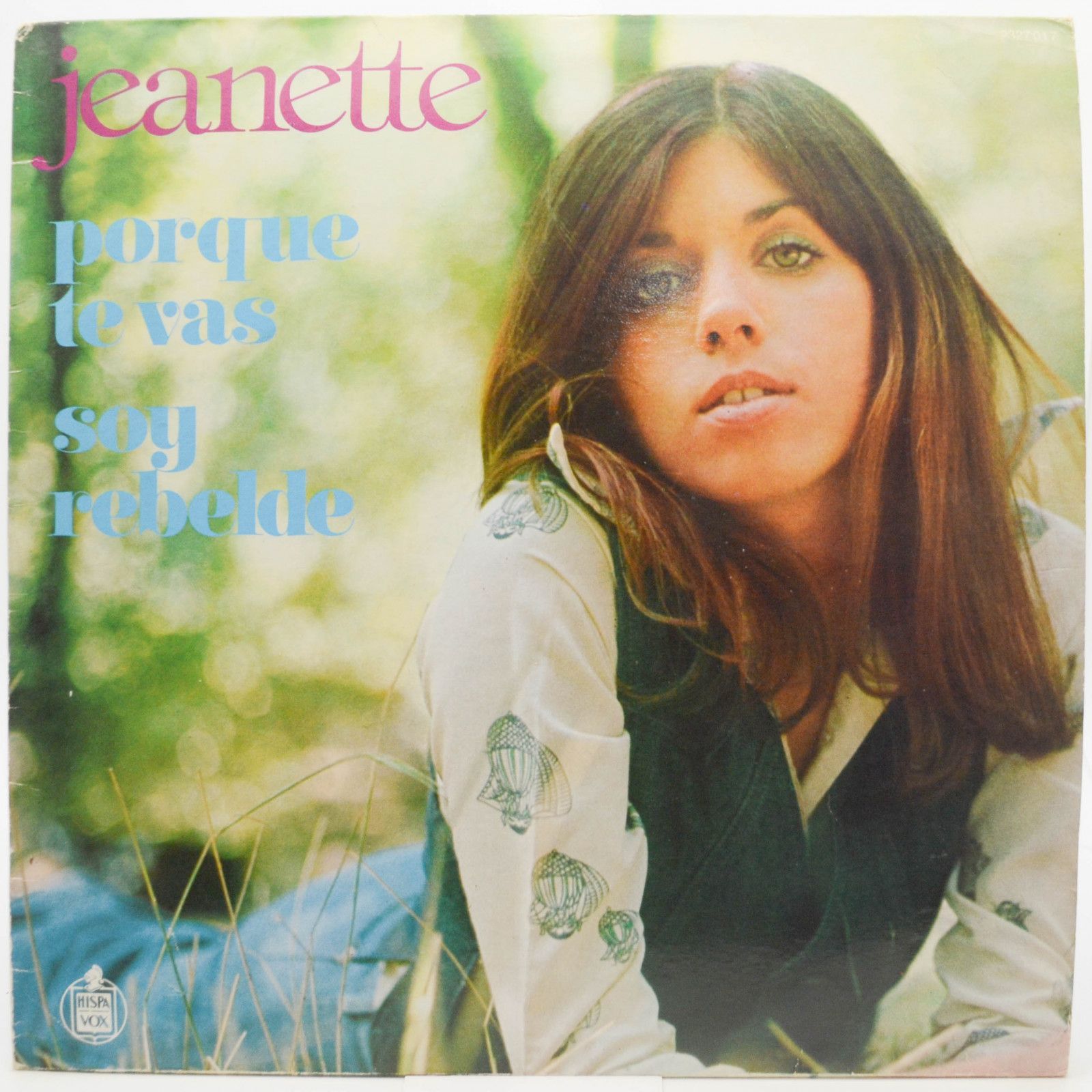
Jeanette
Jeanette—born Janette Anne Dimech in 1951—is a singer whose very identity serves as a map of mid-century migration. Born in London to a Spanish mother and a Congolese-Maltese father (often cited as Belgian-Maltese due to his colonial roots), she spent her formative years in Chicago and La Habra, California. When her parents’ separation uprooted her to Barcelona at age twelve, she arrived speaking only English. This cultural displacement forged a unique artistic sensibility: she was a perpetual outsider, a trait that would later define the haunting, detached intimacy of her music.
Her career began in the late 1960s, channeling American folk influences as the teenage frontwoman of Pic-Nic. However, her true solo breakthrough required a deliberate, label-mandated reinvention. In 1971, she was refashioned as a romantic balladist with the single "Soy rebelde." The track became a generational anthem of quiet defiance, its success across the Spanish-speaking world cementing the stage name "Jeanette"—a moniker famously born from a typist’s error on the record sleeve.
Jeanette’s artistry is anchored by a potent contrast: a delicate, silken voice used to articulate profound themes of solitude and heartbreak. This signature style reached its zenith with "Porque te vas." Originally a modest success in 1974, the song achieved immortality after being featured in Carlos Saura’s 1976 cinematic masterpiece Cría cuervos. The film’s imagery of childhood trauma lent the song a dark, psychological weight, propelling it to international fame and establishing it as one of the most iconic Spanish pop recordings of all time.
The singer reached a commercial and artistic peak in 1981 with the album Corazón de poeta. A collaboration with the legendary songwriter Manuel Alejandro, the record produced timeless hits like "Frente a frente," showcasing a more mature, dramatic edge to her "whisper-soft" delivery. While her chart dominance waned by the late 1980s, the 21st century has seen a radical revaluation of her work. Today, Jeanette is celebrated not just as a pop star, but as a foundational muse for indie-pop and the modern "sad girl" aesthetic—a cult icon whose introspective ballads continue to haunt and inspire new generations.
1974
