

Donatas Banionis
Donatas Banionis (April 28, 1924 – September 4, 2014) was a celebrated Lithuanian and Soviet actor, widely regarded as one of the most prominent figures of 20th‑century Eastern European cinema and theatre. Known for his intellectual depth, restrained acting style, and compelling screen presence, Banionis earned acclaim both in the Soviet Union and internationally. His performances often explored complex psychological states, moral dilemmas, and existential themes, setting him apart from many of his contemporaries.
Born in Kaunas, Lithuania, Banionis developed an early interest in theatre. He trained at the Kaunas Drama Studio and began his professional career in 1941 at the Panevėžys Drama Theatre, where he spent nearly two decades. During this period, he built a reputation as a versatile stage actor, excelling in both classical and modern repertoire. His stage work included notable roles in plays by Shakespeare, Gogol, and Lithuanian dramatists, demonstrating his range and disciplined approach to character development.
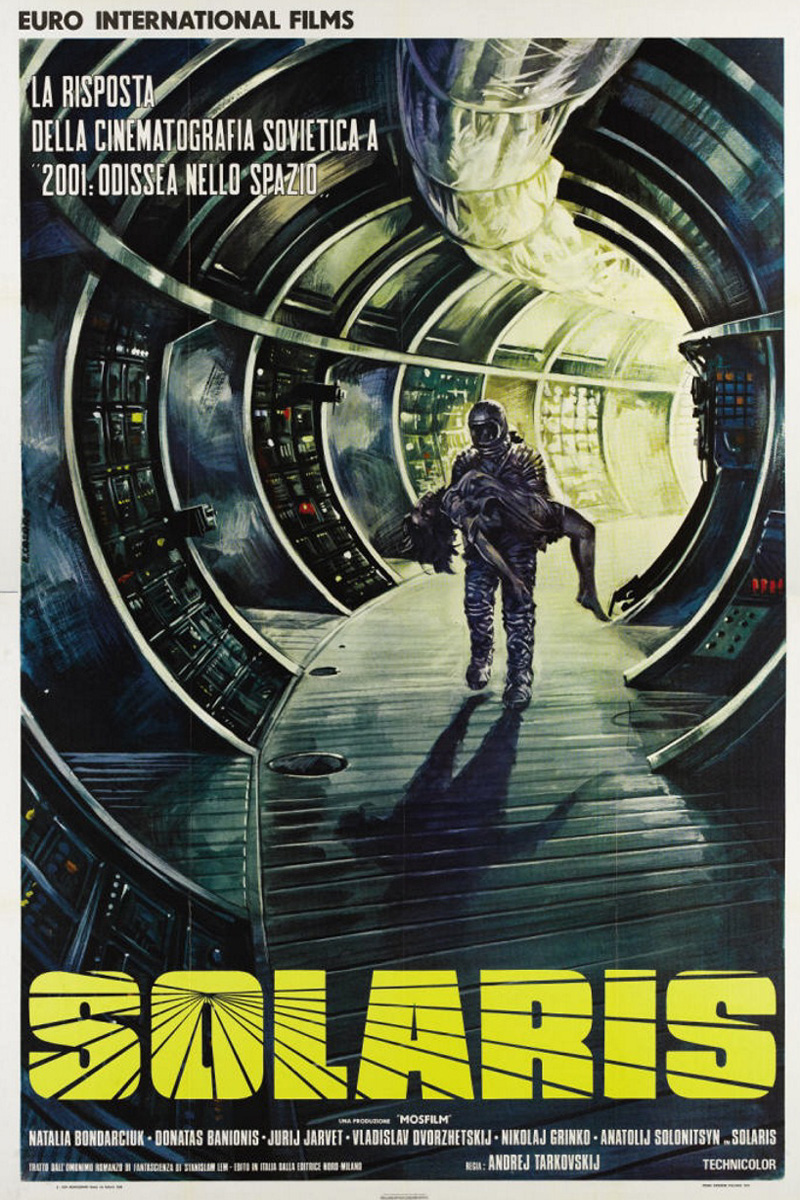
Banionis’s breakthrough in cinema came in the 1960s, when he began collaborating with leading Lithuanian and Soviet directors. His role in Nobody Wanted to Die (1966) brought him widespread recognition in the USSR. International fame followed with his portrayal of Kris Kelvin in Andrei Tarkovsky’s Solaris (1972), a science‑fiction masterpiece that explored themes of memory, love, and human consciousness. Banionis’s understated yet deeply emotional performance as the astronaut confronting haunting visions of his deceased wife cemented his status as an actor of rare sensitivity and intellectual depth. The film’s success introduced him to global audiences and remains one of his most iconic roles.
Throughout his long career, Banionis appeared in over 50 films and numerous stage productions. Among his other notable screen roles are performances in King Lear (1971), Mёртвый сезон (Dead Season, 1968), and Берегись автомобиля (Beware of the Car, 1966). He was particularly skilled at portraying thoughtful, introspective characters — scientists, intellectuals, and moral arbiters — often navigating ethical crises or existential uncertainty. His collaboration with directors such as Tarkovsky and Vladimir Vengerov showcased his ability to embody complex, layered personalities that resonated with audiences long after the credits rolled.
Donatas Banionis received numerous accolades for his contributions to the arts, including the title of People’s Artist of the USSR (1974) and multiple state prizes of the Lithuanian SSR. He remained active in theatre and film into his later years, mentoring younger actors and participating in cultural initiatives in Lithuania. Banionis passed away in 2014 in Vilnius, leaving behind a rich legacy that continues to influence actors and filmmakers. His work stands as a testament to the power of subtlety and psychological realism in performance, securing his place among the greats of European cinema.
1971
