
Astolphe de Custine’s Russia in 1839 is perhaps the most famous and controversial travelogue ever written about the country. Custine, a French aristocrat who lost family to the French Revolution, initially traveled to Russia looking for a successful model of absolute monarchy to contrast with the “chaos” of European liberalism.
Category: Books
The Books section explores the literary world of Eurasia, from classic masterpieces to contemporary works. It provides reviews, author profiles, historical context, and analyses that connect literature with the region’s cultural, linguistic, and geopolitical landscapes. Readers gain insights into how literature reflects and shapes Eurasian societies across time.
1843
2011
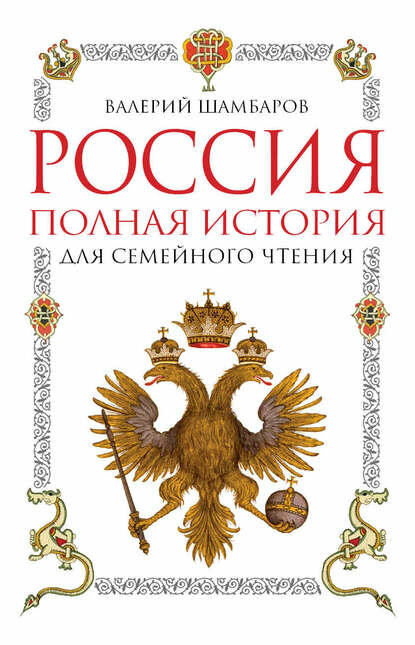
Valery Shambarov’s Russia: A Complete History for Family Reading is an ambitious attempt to reclaim the national narrative for the general public. In an era where history is often either buried in academic jargon or fragmented by political revisionism, Shambarov seeks to provide a “holistic” view. As the title suggests, the book is written with an instructional but engaging tone, aimed at a multi-generational audience.
2010
Sergey Nefedov’s Factor Analysis represents a radical departure from traditional Russian historiography. While previous authors on your list might focus on the “spirit” of the people or the “will” of the Tsar, Nefedov treats history as a complex system governed by measurable variables. Influenced by the “Longue Durée” school and demographic-structural theory, he argues that the true drivers of history are demographic cycles, technological “diffusions,” and the availability of resources. It is a “macro-history” that feels more like a social science than a literary pursuit.
1899
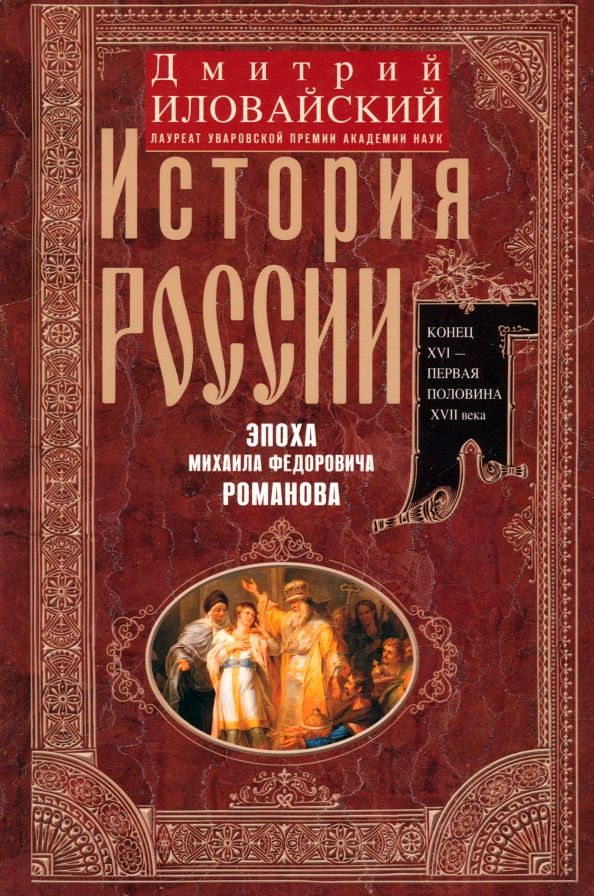
Dmitry Ilovaysky’s monograph on the era of Mikhail Fedorovich, the first Romanov Tsar, is a masterpiece of “reconstruction.” While his predecessor Sergey Solovyov looked at the broad sociological laws of the state, Ilovaysky was a master of the narrative and the character study. He presents the early 17th century not just as a sequence of treaties, but as a grueling period of healing.
1997
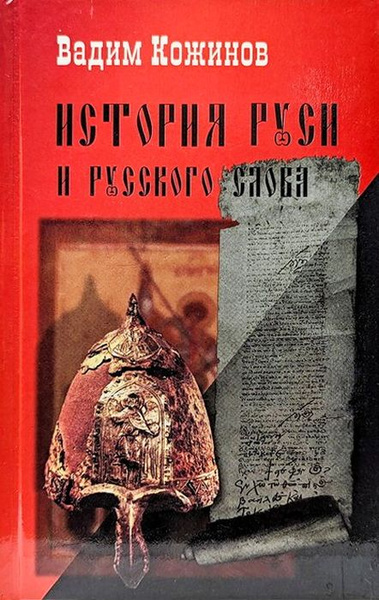
Vadim Kozhinov’s History of Rus and the Russian Word is an intellectual odyssey that treats history as a philological mystery. Kozhinov, primarily known as a literary critic, argues that the Russian state did not just emerge from Viking swords or Byzantine treaties, but from the “Word” (Slovo) itself. For him, the language isn’t merely a tool for communication; it is the structural framework that allowed the East Slavic tribes to coalesce into a unique civilization.
1913
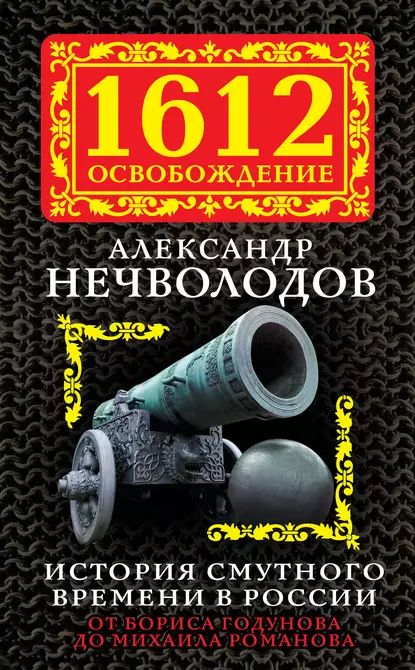
Alexander Nechvolodov was not a typical “dry” academic; he was a Lieutenant General of the Russian Imperial Army. This background is vital to understanding his work. Writing on the eve of World War I and the Russian Revolution, Nechvolodov produced a history of the “Smuta” (Time of Troubles) that reads like a warning and a rallying cry.
1952
Yuri German’s Young Russia is a monumental epic that captures the tectonic shift of a nation dragging itself out of medieval isolation and onto the high seas. While Peter the Great is the ideological engine of the novel, the true “protagonists” are the people of the Russian North—the sailors, shipbuilders, and soldiers of Arkhangelsk.
1972
Valentin Pikul’s With Pen and Sword is a high-octane “novel-chronicle” that breathes life into the complex diplomacy and brutal warfare of the Seven Years’ War (1756–1763). Pikul was famous for his ability to transform dry archival documents into cinematic prose, and here he focuses on a time when Russia was becoming a decisive “arbiter” of European affairs.
1992
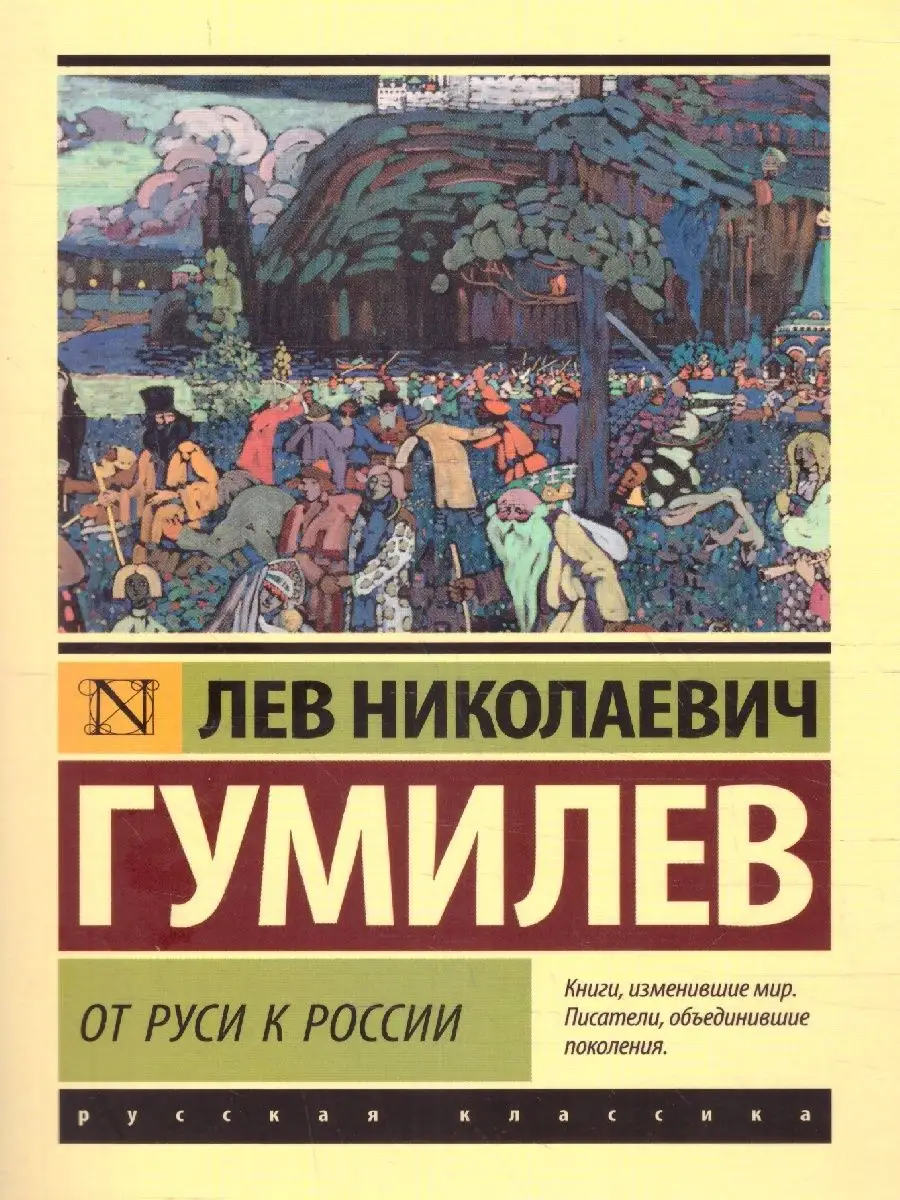
Lev Gumilyov’s From Rus to Russia is a work of breathtaking scope and controversial brilliance. Gumilyov, the son of two legendary poets (Anna Akhmatova and Nikolay Gumilyov) and a long-term survivor of the Gulag, didn’t just write history—he invented a new way to look at it called “Ethnogenesis.”
1879
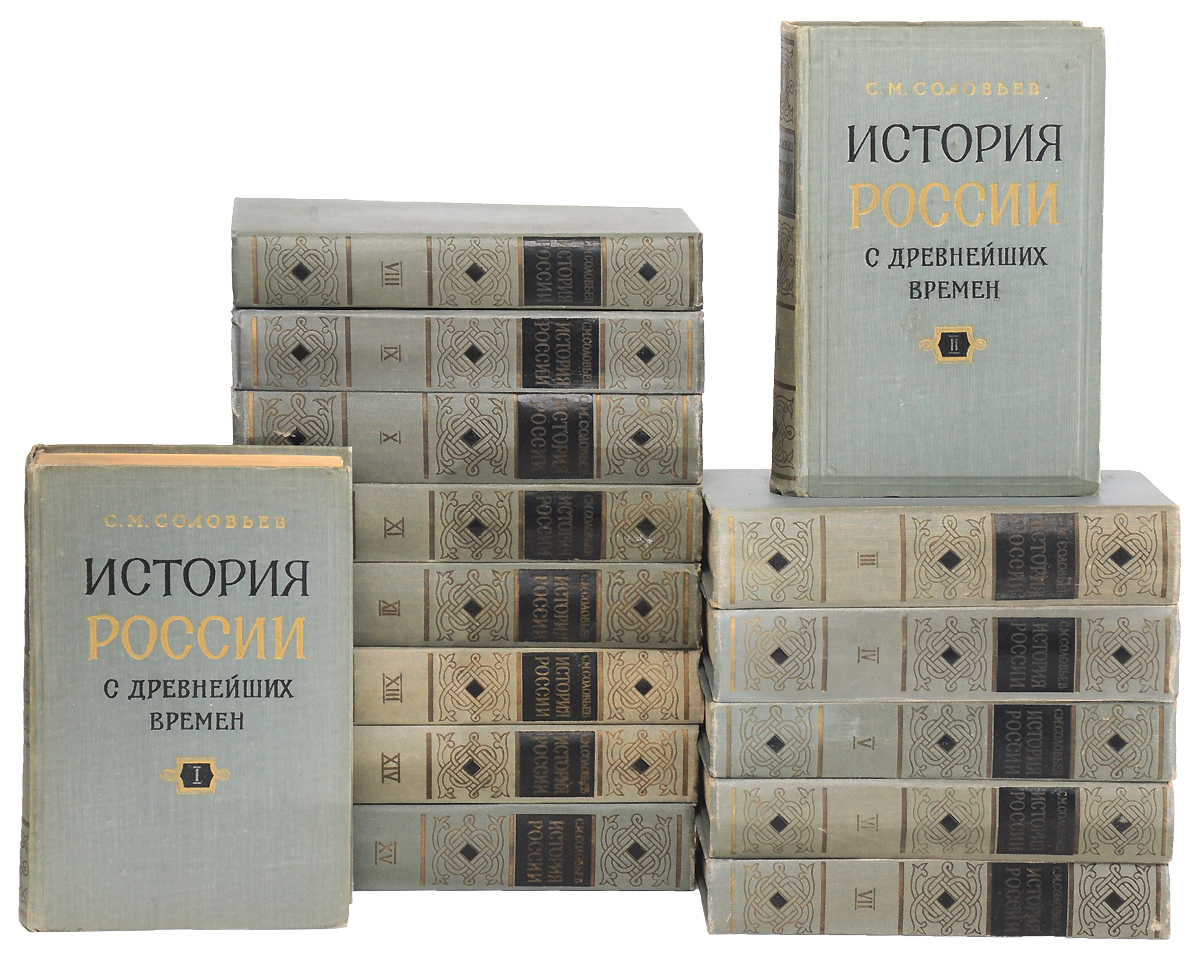
Reading Sergey Solovyov’s History of Russia is less like reading a book and more like embarking on a 29-volume expedition. It is the most ambitious historical project ever undertaken by a single Russian scholar. Solovyov didn’t just want to tell stories; he wanted to uncover the “organic” laws of Russian development.