Category: Books

The Books section explores the literary world of Eurasia, from classic masterpieces to contemporary works. It provides reviews, author profiles, historical context, and analyses that connect literature with the region’s cultural, linguistic, and geopolitical landscapes. Readers gain insights into how literature reflects and shapes Eurasian societies across time.

1949

The Warriors
The Warriors 16 Feb 2026

Alexei Yugov’s The Warriors is an epic diptych that functions as a masterclass in geopolitical survival. Written and finalized during and immediately after World War II, the novel is charged with a palpable sense of patriotic urgency. It tells the story of two titans of the 13th century: Prince Daniil of Galicia and Prince Alexander Nevsky.

1966

The Ladinsky Trilogy
The Ladinsky Trilogy 15 Feb 2026

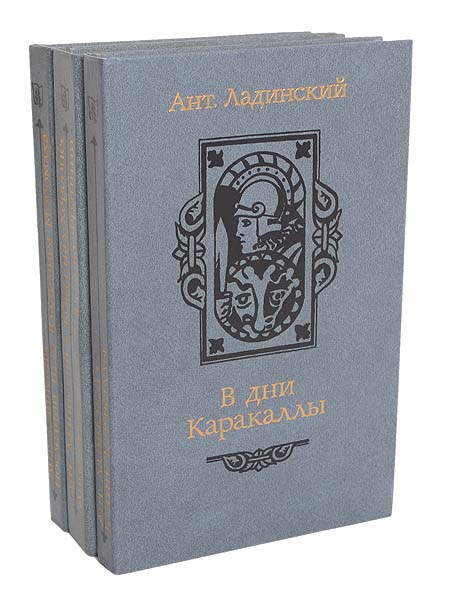
Ladinsky’s trilogy is a sweeping tapestry of the 10th and 11th centuries, a period when Kievan Rus was not an isolated frontier but a central player in the European and Byzantine power structure. Unlike the gritty, military focus of Valentin Ivanov, Ladinsky writes with the eye of a poet and a diplomat. His prose is rich with sensory detail—the scent of incense in Constantinople, the cold damp of a Parisian stone castle, and the shimmering gold of the Kievan courts.

1961

Rus of Old
Rus of Old 15 Feb 2026

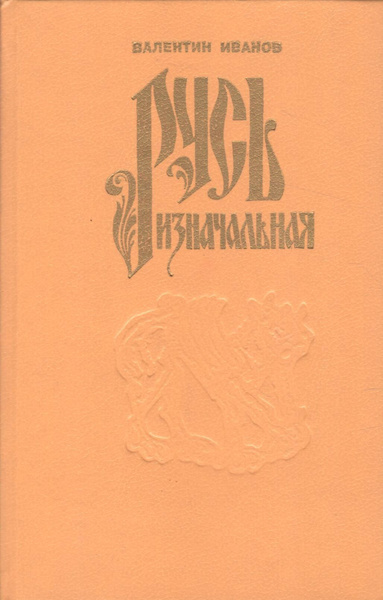
Valentin Ivanov’s Rus of Old is a cinematic, high-stakes reimagining of the 6th century, a time when the Slavic tribes—then known as the Antes—were emerging as a formidable force on the fringes of the dying Roman world. Unlike the Primary Chronicle, which begins with the Rurikids, Ivanov goes deeper into the “primordial” past.

1970

A Global History
A Global History 3 Feb 2026

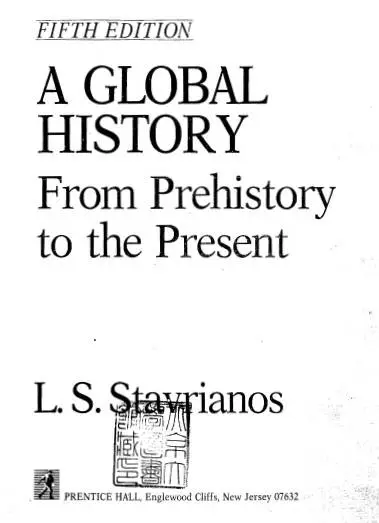
L.S. Stavrianos’ A Global History (originally released in 1970) was more than a textbook; it was a revolution. Decades before “globalization” became a buzzword, Stavrianos was already mapping the world as an interconnected web rather than a series of isolated European triumphs. For our readers, this book serves as the foundational “Map of the Mosaic,” […]

1615

The Ingenious Gentleman Don Quixote of La Mancha
The Ingenious Gentleman Don Quixote of La Mancha 2 Feb 2026

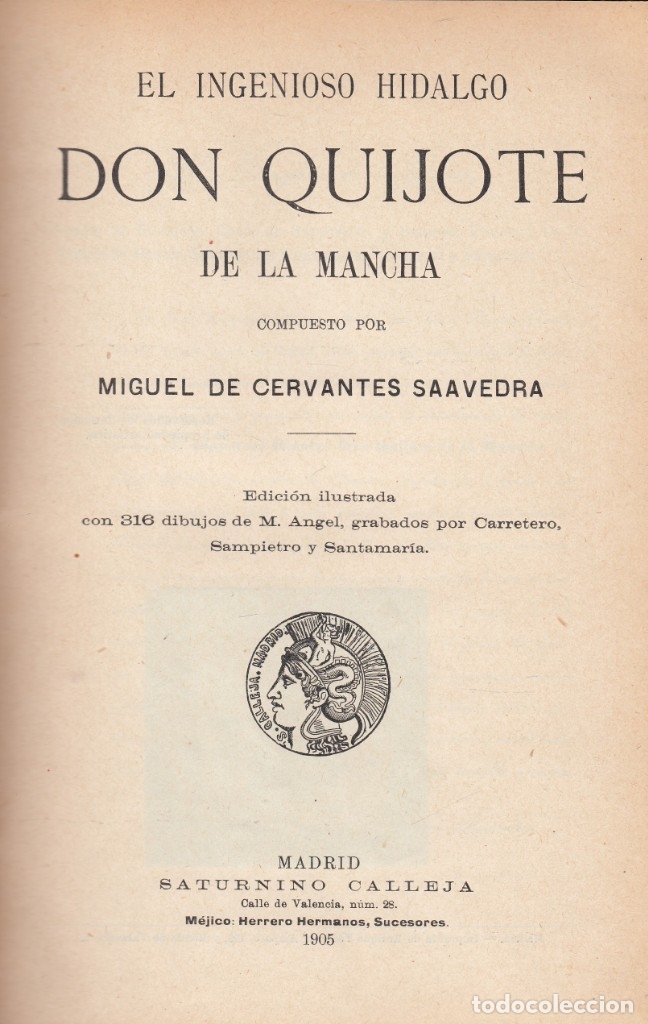
Don Quixote, penned by Miguel de Cervantes and first published in two parts (1605 and 1615), stands as one of the foundational works of Western literature. Often hailed as the first modern novel, it tells the story of Alonso Quijano, a middle‑aged gentleman who, driven mad by reading too many chivalric romances, renames himself Don Quixote and sets out on a series of adventures to revive the tradition of knighthood.

1591

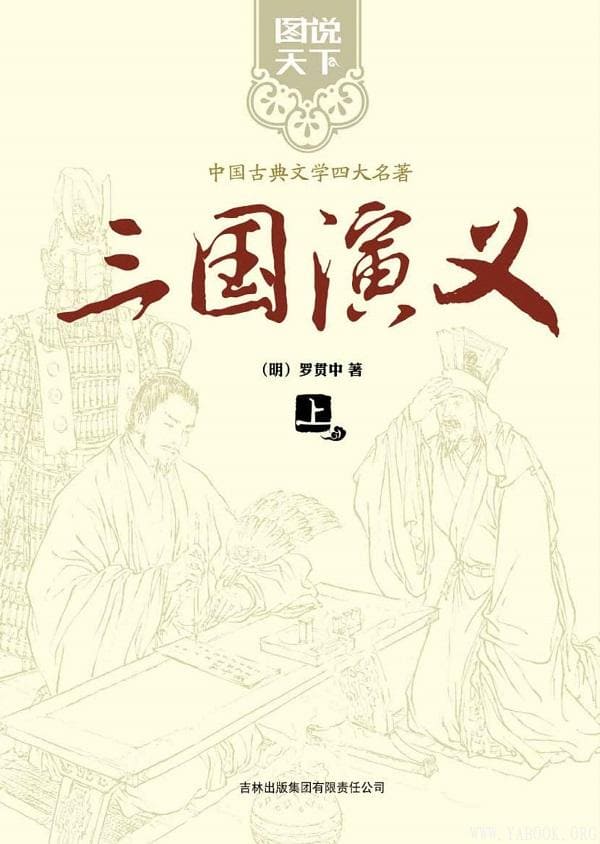
Romance of the Three Kingdoms
Romance of the Three Kingdoms 30 Jan 2026

“Romance of the Three Kingdoms” is one of the greatest novels in Chinese literature and one of the longest historical epics in the world. Written by Luo Guanzhong in the 14th century, the book dramatizes the collapse of the Han Dynasty and the bloody power struggle between three rival kingdoms—Wei, Shu, and Wu—during the third century AD.

-450

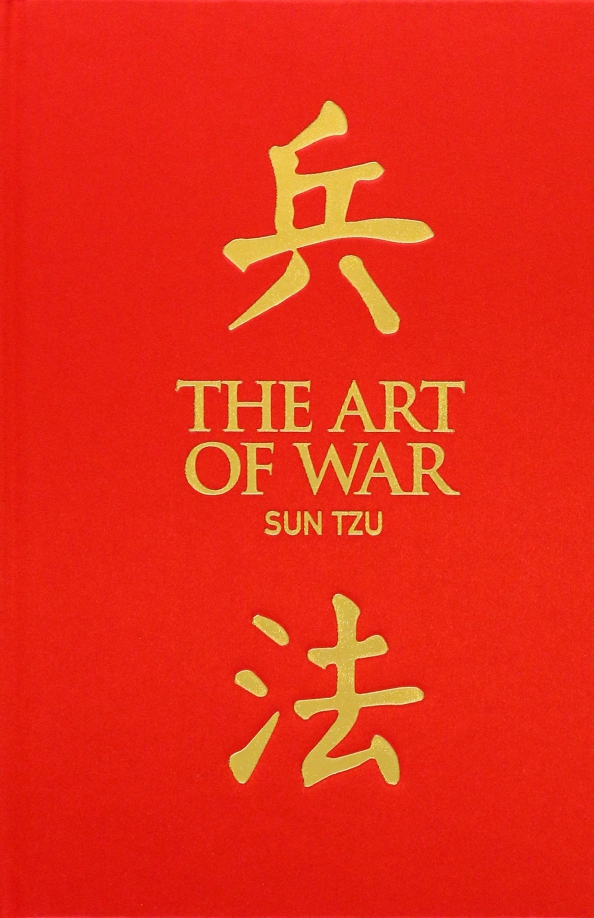
The Art of War
The Art of War 30 Jan 2026

“The Art of War” by Sun Tzu is a short but powerful book written over 2,000 years ago in ancient China. Despite its age, it remains one of the most famous books on strategy and leadership in the world. The book was originally written as a military guide for commanders, but its lessons extend far beyond warfare.

-479

Analects
Analects 30 Jan 2026

In the frantic, fragmented landscape of the twenty-first century, returning to The Analects (Lun Yu) feels less like an academic exercise and more like a necessary reclamation of the self. This collection of aphorisms and dialogues, compiled by the disciples of Confucius (Kong Fuzi), serves as the foundational architecture of East Asian social ethics, yet its relevance today transcends geographical borders.

1919

The Moon and Sixpence
The Moon and Sixpence 29 Jan 2026

“The Moon and Sixpence” is a thought-provoking novel that delves into the mind of an unconventional artist who abandons his comfortable life to pursue his passion for painting. Inspired by the life of Paul Gauguin, Maugham’s protagonist, Charles Strickland, is a ruthless yet fascinating character who sacrifices everything—family, wealth, and reputation—for his art.

1993

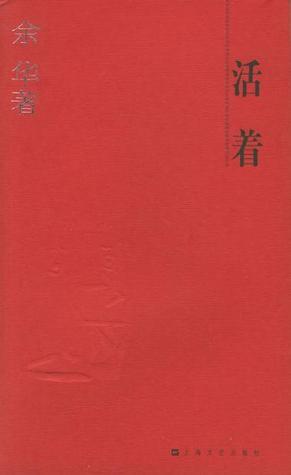
To Live
To Live 29 Jan 2026

“To Live” is a heart-wrenching yet beautifully written novel that follows the life of Fugui, a Chinese peasant, through decades of political turmoil and personal tragedy. Set against the backdrop of 20th-century China, Yu Hua’s storytelling is both raw and poignant, capturing the resilience of the human spirit in the face of overwhelming hardship. The […]