

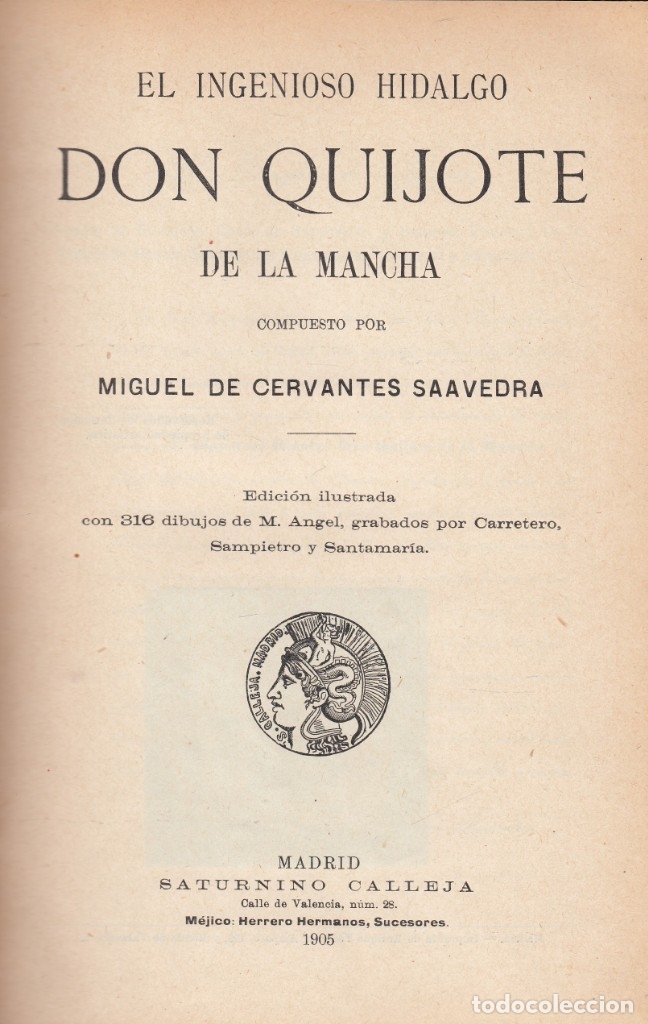
Don Quixote, penned by Miguel de Cervantes and first published in two parts (1605 and 1615), stands as one of the foundational works of Western literature. Often hailed as the first modern novel, it tells the story of Alonso Quijano, a middle‑aged gentleman who, driven mad by reading too many chivalric romances, renames himself Don Quixote and sets out on a series of adventures to revive the tradition of knighthood. Accompanied by his loyal but pragmatic squire, Sancho Panza, Don Quixote tilts at windmills, battles imaginary giants, and champions the downtrodden—all while inhabiting a world of his own deluded making. The novel’s enduring appeal lies in its rich blend of humour, pathos, and philosophical depth.
At its core, Don Quixote is a satirical masterpiece that dismantles the conventions of chivalric literature. Cervantes mocks the outdated ideals of knightly heroism by placing his idealistic protagonist in starkly mundane and often absurd situations. Don Quixote’s misadventures—from mistaking windmills for giants to declaring a rustic farm girl, Dulcinea, his noble lady—highlight the gap between romantic fantasy and everyday reality. Yet the novel is more than mere parody: through Don Quixote’s unwavering belief in honour, justice, and noble deeds, Cervantes also celebrates the power of imagination and the human capacity for idealism. This dual perspective—ridiculing quixotic folly while admiring its nobility—gives the novel its unique, bittersweet resonance.
Beyond its literary satire, Don Quixote offers a profound critique of early 17th‑century Spanish society. Cervantes exposes the hypocrisies and injustices of his time, from the exploitation of the poor to the hollow pretensions of the aristocracy. Sancho Panza, with his earthy wit and practical wisdom, serves as a foil to Don Quixote’s flights of fancy, offering a folk‑level commentary on social norms and human nature. The interplay between the two characters—the dreamer and the realist—creates a dynamic that feels remarkably modern. Their conversations touch on themes of truth, illusion, power, and morality, inviting readers to reflect on the tension between idealism and pragmatism in their own lives.
In conclusion, Don Quixote remains a timeless classic because it speaks to universal human experiences: the clash between dreams and reality, the search for meaning, and the enduring appeal of heroism, however misguided. Cervantes’s narrative ingenuity—his use of metafiction, unreliable storytelling, and shifting perspectives—anticipates many techniques of modern fiction. More than four centuries after its publication, the novel continues to captivate readers with its humour, humanity, and profound insight into the human condition. Whether read as a comic adventure, a philosophical inquiry, or a social satire, Don Quixote earns its place as one of the greatest novels ever written.