
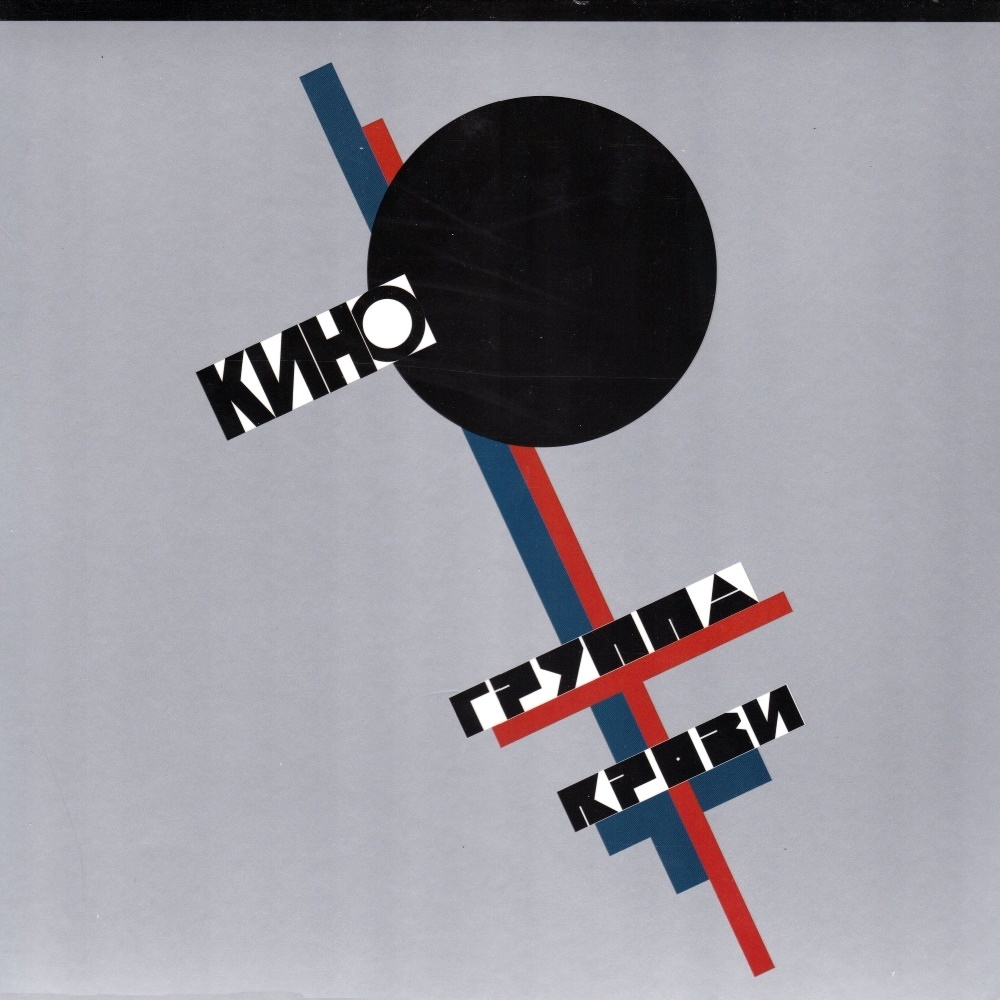
“Gruppa Krovi” (Группа крови) is arguably the most famous and culturally significant song by the Soviet rock band Kino, released in 1988 on the album of the same name. Its enduring power lies in its anti-war themes and its poetic, metaphorical language. The central, repeated line, “My blood type is on my sleeve, my serial number is on my sleeve,” evokes the image of a soldier’s military tag or insignia. This symbolism immediately places the protagonist in a situation of selfless, existential conflict—not necessarily a literal war, but a struggle for truth, principle, and an honorable path. It captures a desire to leave a “warm place” for the cold, demanding streets, driven by an ideal that calls the speaker forward like a “star high in the sky.”
Тёплое место
Но улицы ждут oтпечатков наших ног
Звёздная пыль — на сапогах.
Мягкое кресло, клетчатый плед,
Не нажатый вовремя курок.
Солнечный день – в ослепительных снах.
Группа крови — на рукаве,
Мой порядковый номер — на рукаве,
Пожелай мне удачи в бою, пожелай мне:
Не остаться в этой траве,
Не остаться в этой траве.
Пожелай мне удачи, пожелай мне удачи!
И есть чем платить, но я не хочу
Победы любой ценой.
Я никому не хочу ставить ногу на грудь.
Я хотел бы остаться с тобой,
Просто остаться с тобой,
Но высокая в небе звезда зовёт меня в путь.
Группа крови — на рукаве,
Мой порядковый номер — на рукаве,
Пожелай мне удачи в бою, пожелай мне:
Не остаться в этой траве,
Не остаться в этой траве.
Пожелай мне удачи, пожелай мне удачи
A warm place
But the streets are waiting for our footprints.
Stardust is on the boots.
Upholstered armchair, plaid plaid,
Not pulling the trigger in time.
A sunny day in dazzling dreams.
Blood type — on the sleeve,
My serial number is on my sleeve.,
Wish me luck in battle, wish me:
Don’t stay in this grass,
Don’t stay in this grass.
Wish me luck, wish me luck!
And I have something to pay for, but I don’t want to.
Victory at any cost.
I don’t want to put my foot on anyone’s chest.
I’d like to stay with you.,
Just stay with you,
But a star high in the sky is calling me on my way.
Blood type — on the sleeve,
My serial number is on my sleeve.,
Wish me luck in battle, wish me:
Don’t stay in this grass,
Don’t stay in this grass.
Wish me luck, wish me luck
Musically, the song perfectly embodies the post-punk and New Wave influences that Viktor Tsoi admired, drawing comparisons to bands like Joy Division and The Smiths. It features a melancholic, minor-key chord progression (often in F# minor/C# minor) and a driving, rhythmic bassline and drum machine that provide a relentless forward momentum. Tsoi’s distinctive, slightly detached, baritone vocal delivery enhances the feeling of fatalistic resignation and solemn duty. The instrumentation is sparse yet impactful, using shimmering guitar tones and clean, simple melodies that create a sense of vast, open space—a musical landscape fitting for a soldier or wanderer on a long, solitary journey.
The lyrics manage to be deeply personal yet universally resonant, which is key to Kino’s lasting appeal. Tsoi’s refusal of “victory at any price” and his declaration that he does not want to “place his foot on someone’s chest” firmly establishes the song as an anti-violence or anti-totalitarian anthem. The “fight” he wishes for good luck in is one of integrity and defiance, rather than conquest. By focusing on the individual’s choice and the moral price of conflict, the song spoke powerfully to the Soviet youth grappling with the state’s ideology and the realities of the Afghan War, even without explicitly naming a political target.
Ultimately, “Gruppa Krovi” is a timeless masterpiece that transcended its origins in the late Soviet underground. It is more than just a song; it became an anthem for an entire generation yearning for change, self-determination, and a heroic yet humanistic purpose in a rigid system. Its impact was so profound that its release during the Perestroika era is considered a seminal event in Russian rock history, elevating the genre to a new level of critical and popular acclaim both within the Soviet Union and internationally.