

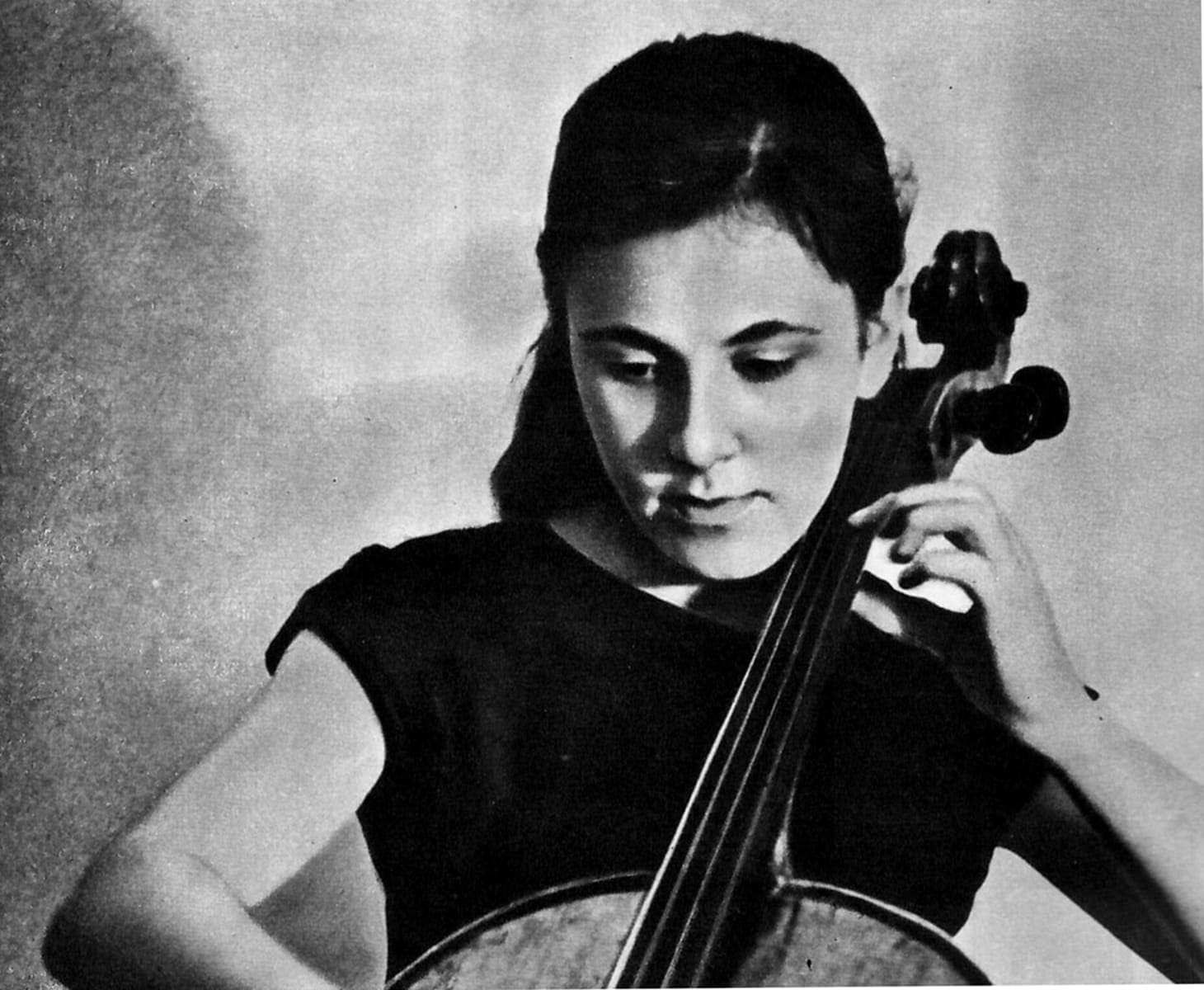
The Cello Concerto No. 1 in E flat major, Op. 107, composed by Dmitri Shostakovich in 1959, is one of the most important works in the modern cello repertoire. Written for the famous cellist Mstislav Rostropovich, the concerto combines dramatic elements, intense rhythmic passages, and moments of lyricism, reflecting Shostakovich’s distinctive style – a fusion of neoclassicism, expressionism, and Soviet influences.
Structured in four movements (Allegretto, Moderato, Cadenza and Allegro con moto), the work is notable for its use of recurring motifs, such as the composer’s signature (D-Es-C-H, corresponding to the notes re-mi flat-do-si in German notation), which lend it a personal and autobiographical dimension.
The third movement, the Cadenza, is one of the concerto’s most impressive sections, transforming from a slow, meditative passage into an explosion of technical virtuosity. The energetic finale, with orchestra and soloist in rapid dialogue, concludes the work in a tense but triumphant atmosphere.
The concerto was enthusiastically received at its premiere in 1959 and remains a pillar of the cello repertoire, frequently performed by elite soloists due to its technical complexity and emotional depth. With this composition, Shostakovich redefined the possibilities of the cello as a concert instrument, offering a work full of innovation and expressive power.