Islamic Republic of Iran
Iran’s artistic heritage is a vibrant blend of ancient traditions and contemporary innovation, deeply rooted in its Islamic and pre-Islamic history. Persian art, renowned for its intricate patterns, calligraphy, and miniature paintings, continues to thrive despite strict cultural regulations. The Islamic Republic has preserved classical forms like carpet weaving, pottery, and metalwork, which remain significant cultural exports. However, modern Iranian artists have also pushed boundaries, exploring themes of identity, politics, and social change through painting, sculpture, and installation art. Galleries in Tehran and other cities showcase works that often navigate the tension between state censorship and artistic freedom, with many artists using symbolism and allegory to express dissent. Public art, including murals and graffiti, has also emerged as a powerful medium for social commentary, reflecting the voices of younger generations.
Entertainment, Movies, and Music: Navigating Censorship and Creativity
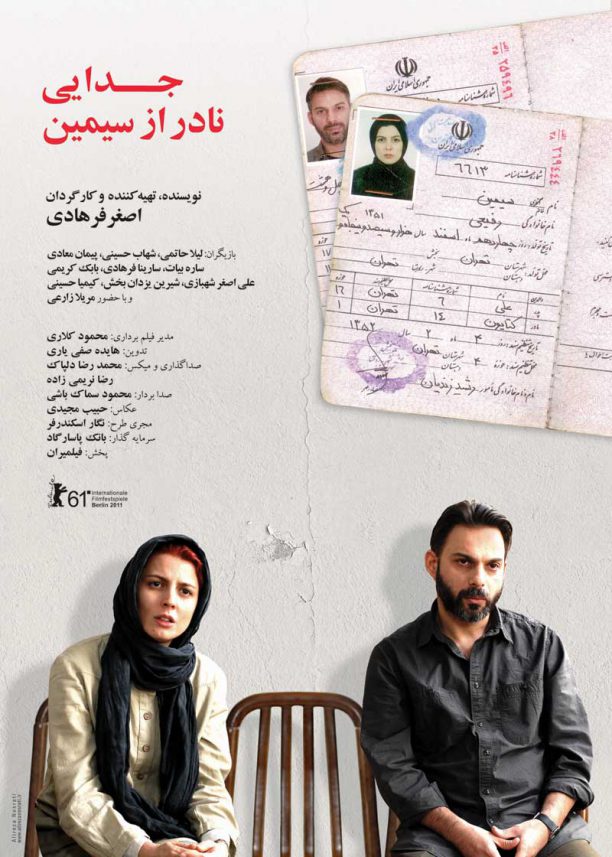
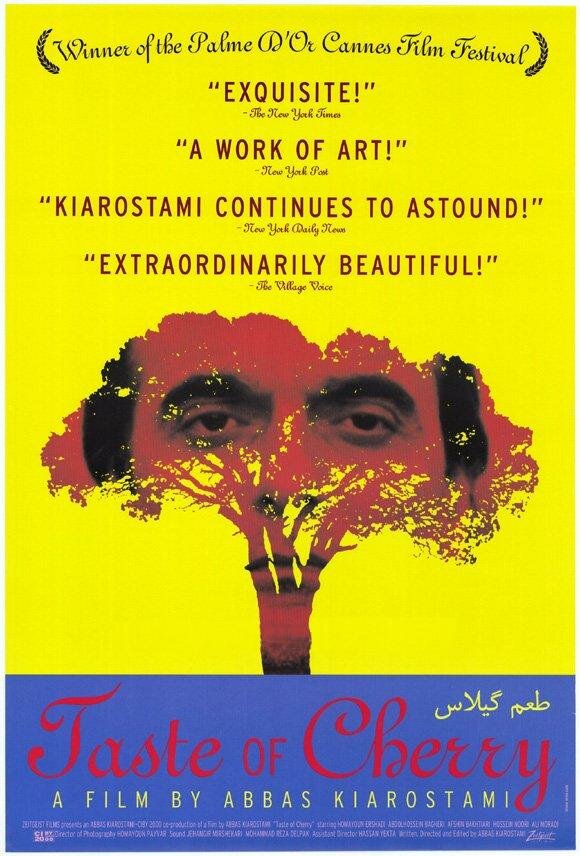
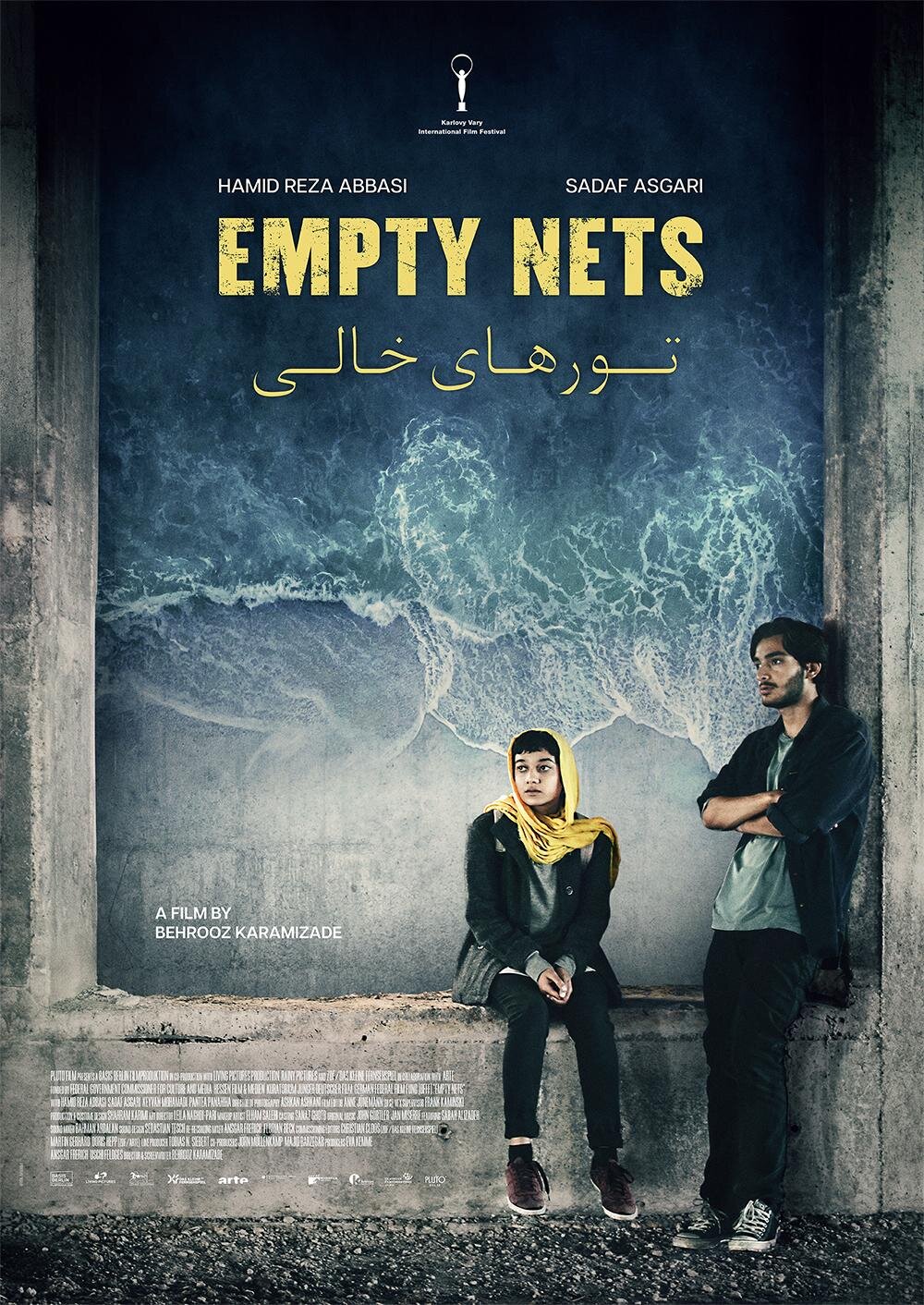
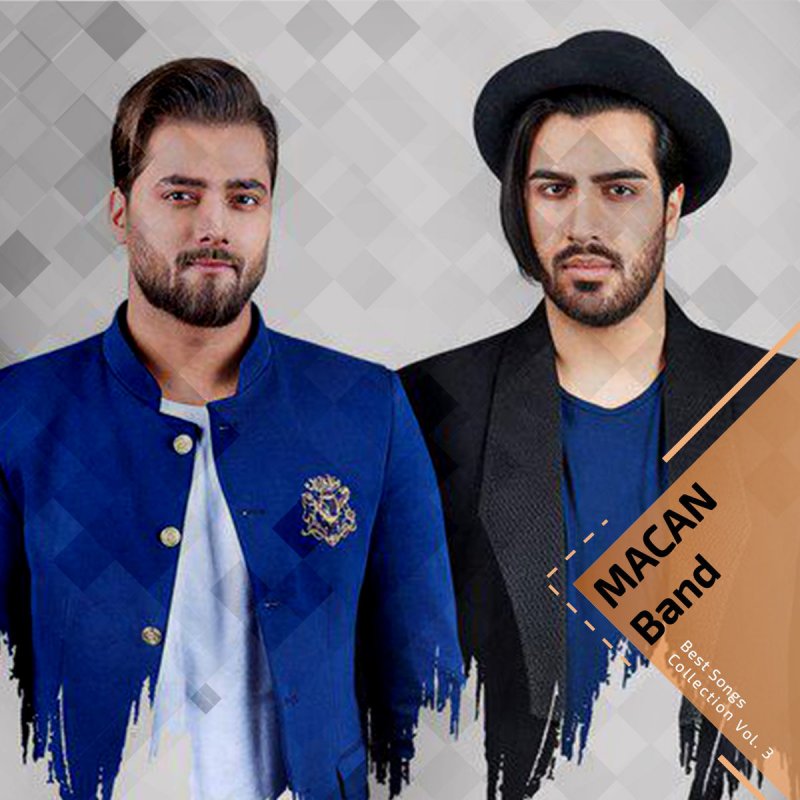
Iran’s entertainment industry operates under strict government oversight, yet it has produced some of the Middle East’s most acclaimed films and musicians. Iranian cinema, particularly since the 1989 revolution, has gained international recognition for its poignant storytelling and artistic merit, with directors like Abbas Kiarostami and Asghar Farhadi winning awards at Cannes and the Oscars. These films often explore universal themes like family, love, and loss, while subtly critiquing societal norms and political realities. Music in Iran is equally diverse, with traditional genres like classical Persian music (radif) coexisting alongside pop, hip-hop, and underground electronic scenes. Despite bans on certain instruments and styles, musicians have adapted by using隐喻 (metaphors) and coded lyrics to express themselves. The rise of digital platforms has also allowed Iranian artists to reach global audiences, bypassing some restrictions and fostering a vibrant, if clandestine, music culture.
Society, Culture, Books, and Theatre: A Tapestry of Resilience and Expression
Iranian society is a complex blend of religious conservatism and progressive youth culture, shaped by decades of political upheaval and cultural evolution. Literature plays a central role in this dynamic, with Iranian writers producing works that range from classical poetry to modern novels exploring themes of freedom, exile, and gender. Authors like Forugh Farrokhzad and Jalal Al-e Ahmad have left enduring legacies, while contemporary writers continue to challenge societal taboos through their storytelling. Theatre in Iran, though heavily regulated, remains a vital space for artistic expression, with plays often addressing social issues like inequality, corruption, and human rights. Despite occasional crackdowns, independent theatre groups and underground performances persist, offering audiences a glimpse of dissent and creativity. Overall, Iran’s cultural landscape is marked by resilience, as artists, writers, and performers find innovative ways to navigate censorship and keep their traditions alive while embracing modern influences.
2023