

East Asia - Eurasia Baike
Location

East Asia

East Asian society is characterized by a unique synthesis of Confucian traditions and rapid, high-tech modernization. Values such as filial piety, social harmony, and a rigorous emphasis on education continue to shape the social fabric in nations like China, Japan, and South Korea, even as they navigate 21st-century challenges such as aging demographics and hyper-urbanization. In the realm of scientific research, the region has emerged as a global leader, particularly in semiconductor technology, telecommunications, and artificial intelligence. The massive investment in research and development infrastructure has transformed cities like Seoul, Tokyo, and Shenzhen into the world's premier hubs for innovation and patent production.

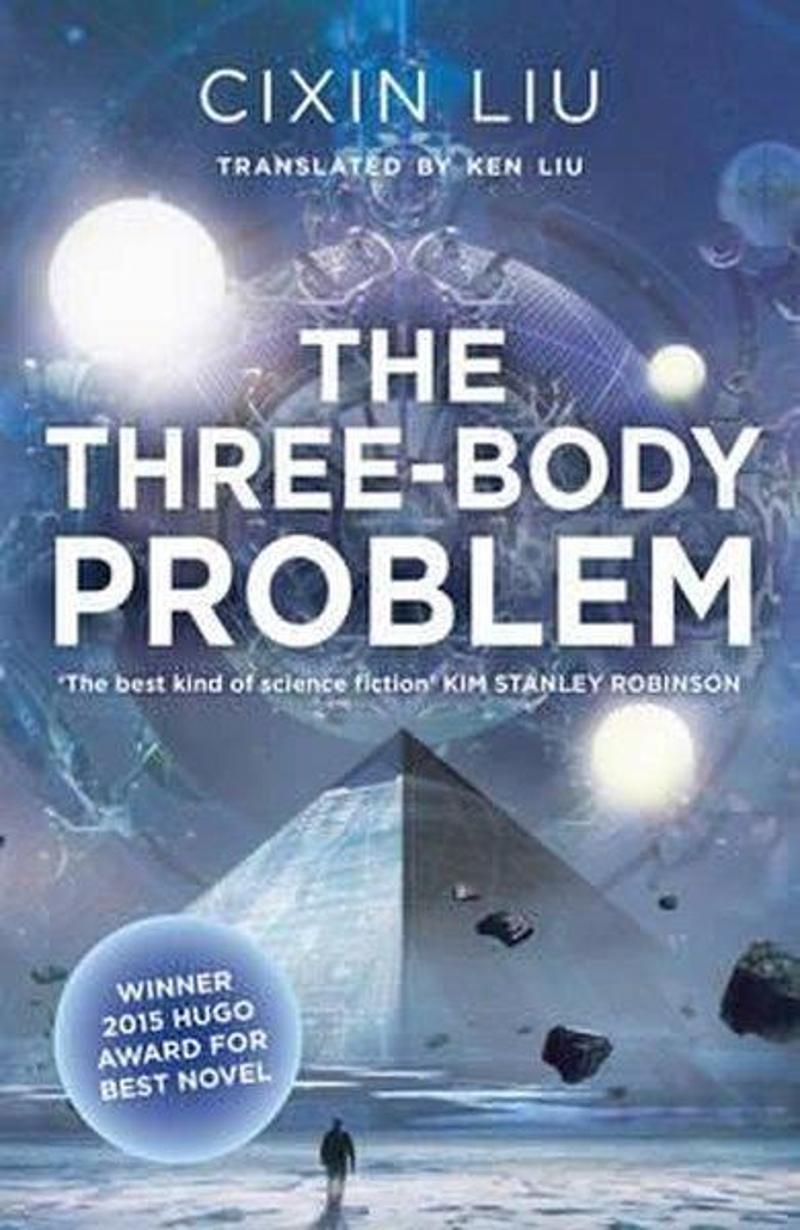
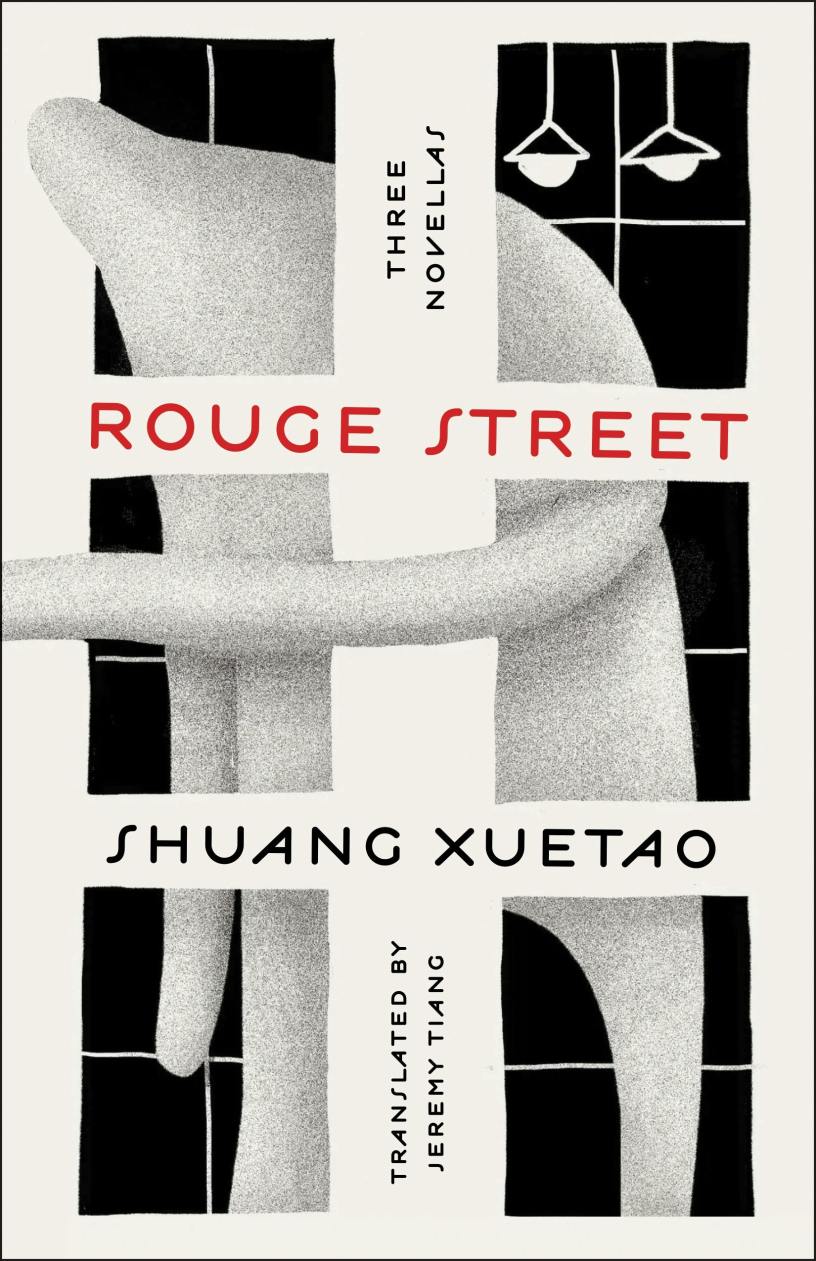
The artistic and literary traditions of East Asia represent a deep dialogue between ancient heritage and contemporary experience. Historically, the region shared a common aesthetic language rooted in calligraphy, ink wash painting, and intricate ceramics, often influenced by Zen Buddhist and Taoist philosophies. Today, East Asian literature has achieved unprecedented international prestige. Authors such as Haruki Murakami (Japan), Mo Yan (China), and the Nobel laureate Han Kang (South Korea) explore themes of historical trauma, urban alienation, and the fluidity of identity. This literary output serves as a vital bridge, translating the complex psychological and social transitions of the region for a global audience.

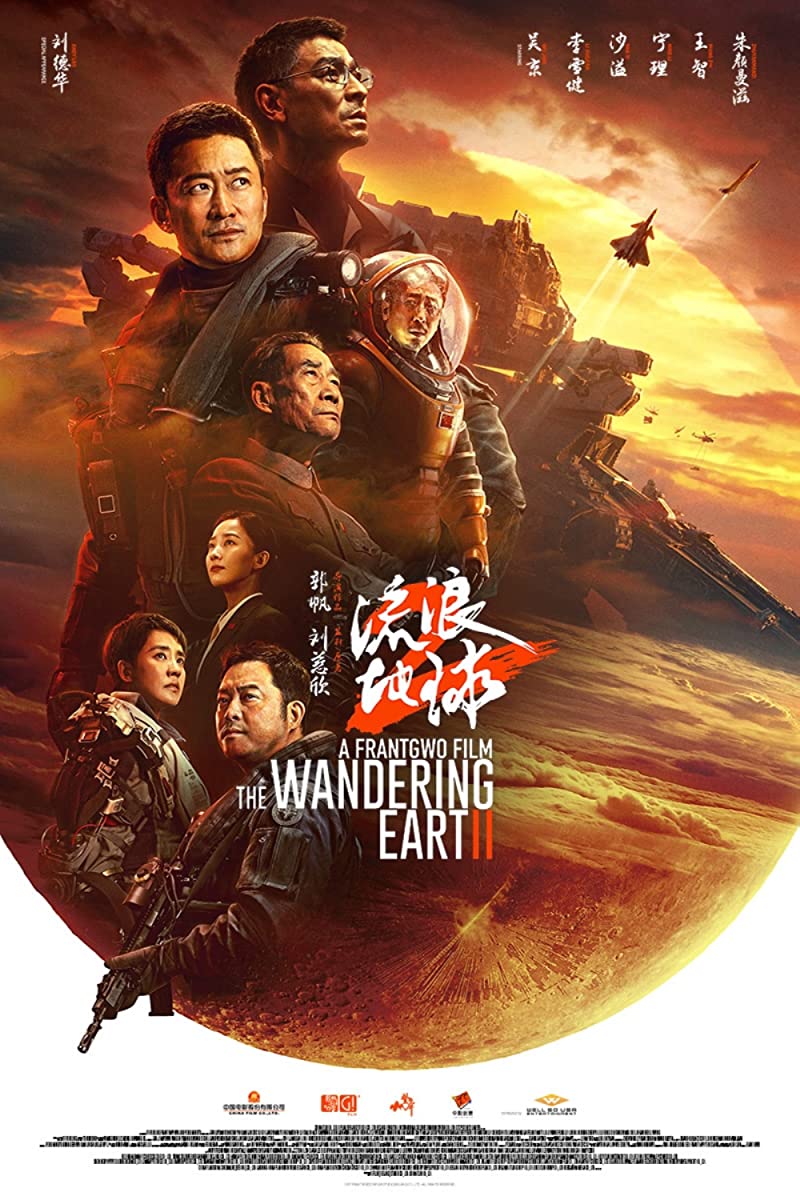
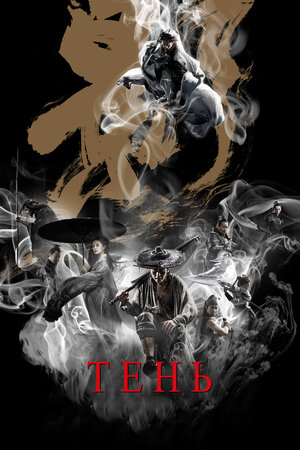
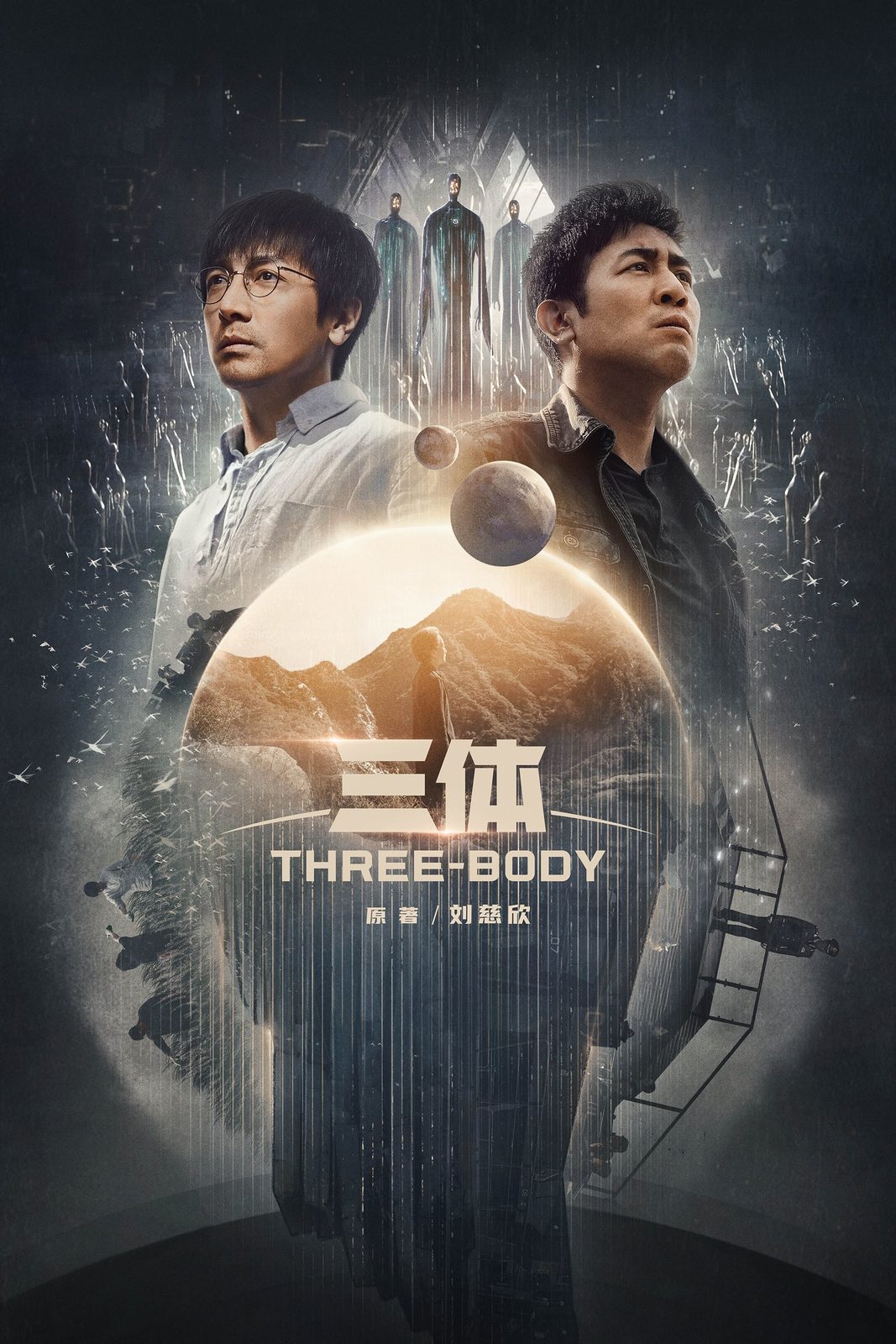
In the 21st century, East Asian entertainment has become a dominant force in global soft power. The "Korean Wave," or Hallyu, has turned K-pop and K-dramas into worldwide cultural staples, while Japanese Anime and Manga have long been foundational to international pop culture. The region’s cinematic contributions are equally significant, moving from the mid-century influence of masters like Akira Kurosawa and Yasujirō Ozu to the contemporary global acclaim of films like Parasite and the animations of Studio Ghibli. This creative explosion in music, film, and digital media has not only fueled economic growth but has also fundamentally reshaped the global cultural imagination.