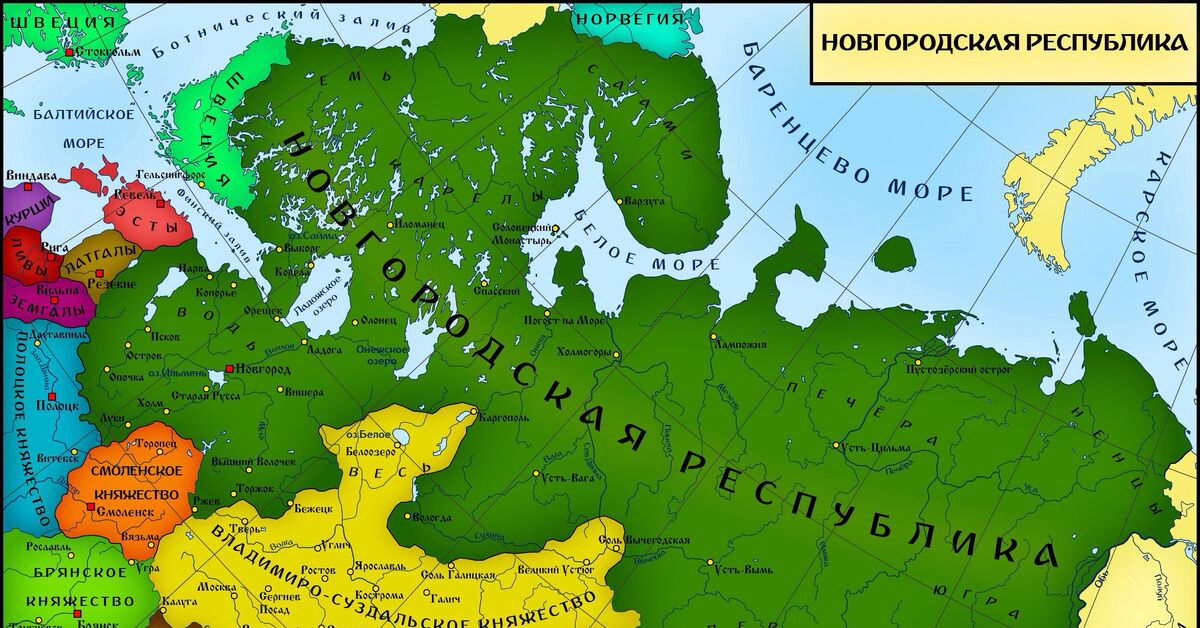
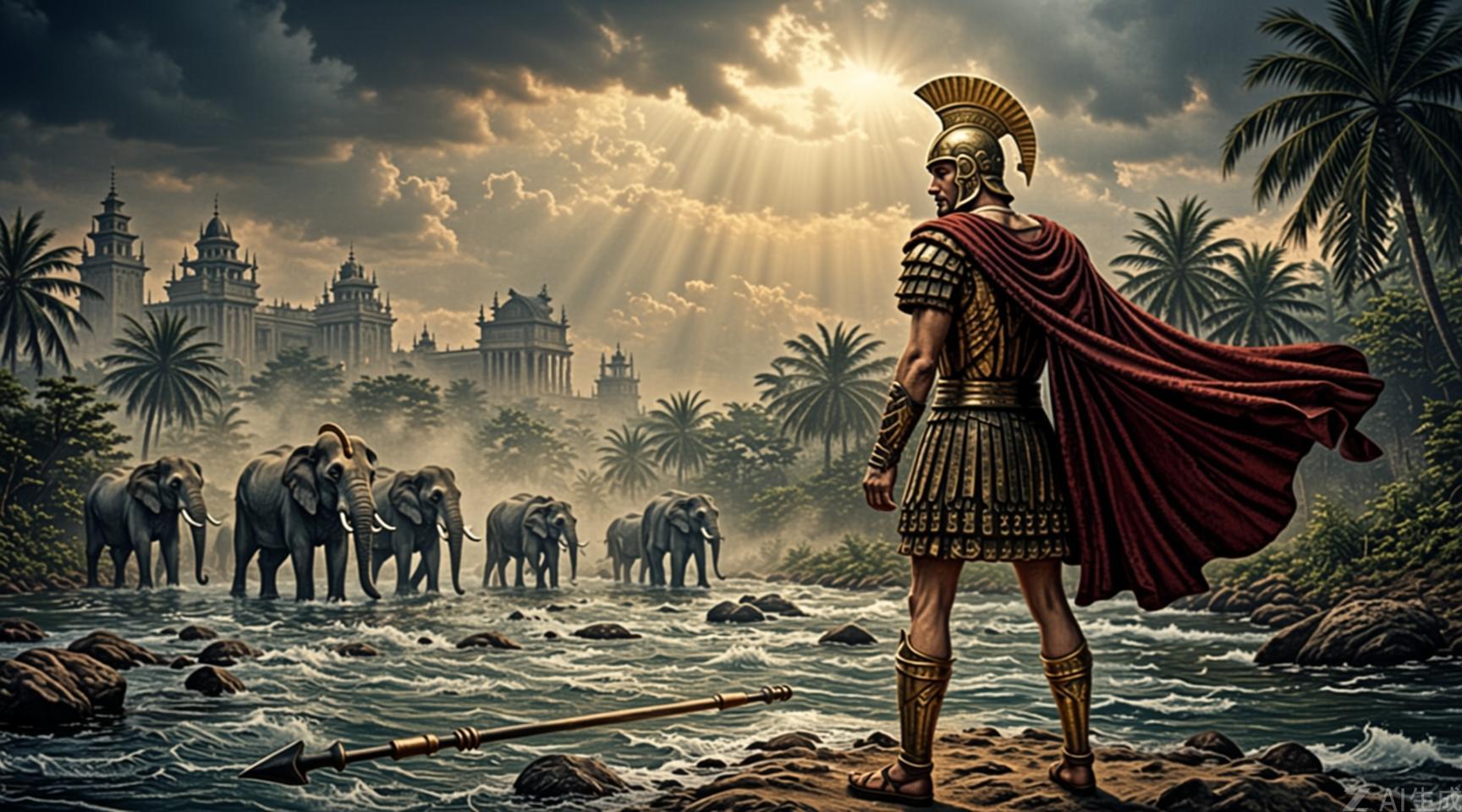
The medieval republic of Novgorod (Russian: Новгородская республика), founded c. 859–862 according to tradition, was the cradle of the Rurikid dynasty and the first capital of Rus’ before Oleg moved the seat of power to Kiev in 882.
Eurasia’s history spans ancient civilizations like Mesopotamia and China, shaped by trade routes such as the Silk Road. It encompasses diverse cultures, empires, and religions, evolving through interactions across its vast landmass from the Atlantic to the Pacific, marking it as a cradle of global historical developments.
The medieval republic of Novgorod (Russian: Новгородская республика), founded c. 859–862 according to tradition, was the cradle of the Rurikid dynasty and the first capital of Rus’ before Oleg moved the seat of power to Kiev in 882.
Romanian cinema has a fascinating history that stretches back to the early twentieth century, but its most distinctive period began after World War II when the communist regime took control of the country. Between 1948 and 1989, the Romanian film industry operated under strict government supervision, producing around 550 feature films that ranged from heavy propaganda to surprising artistic achievements.
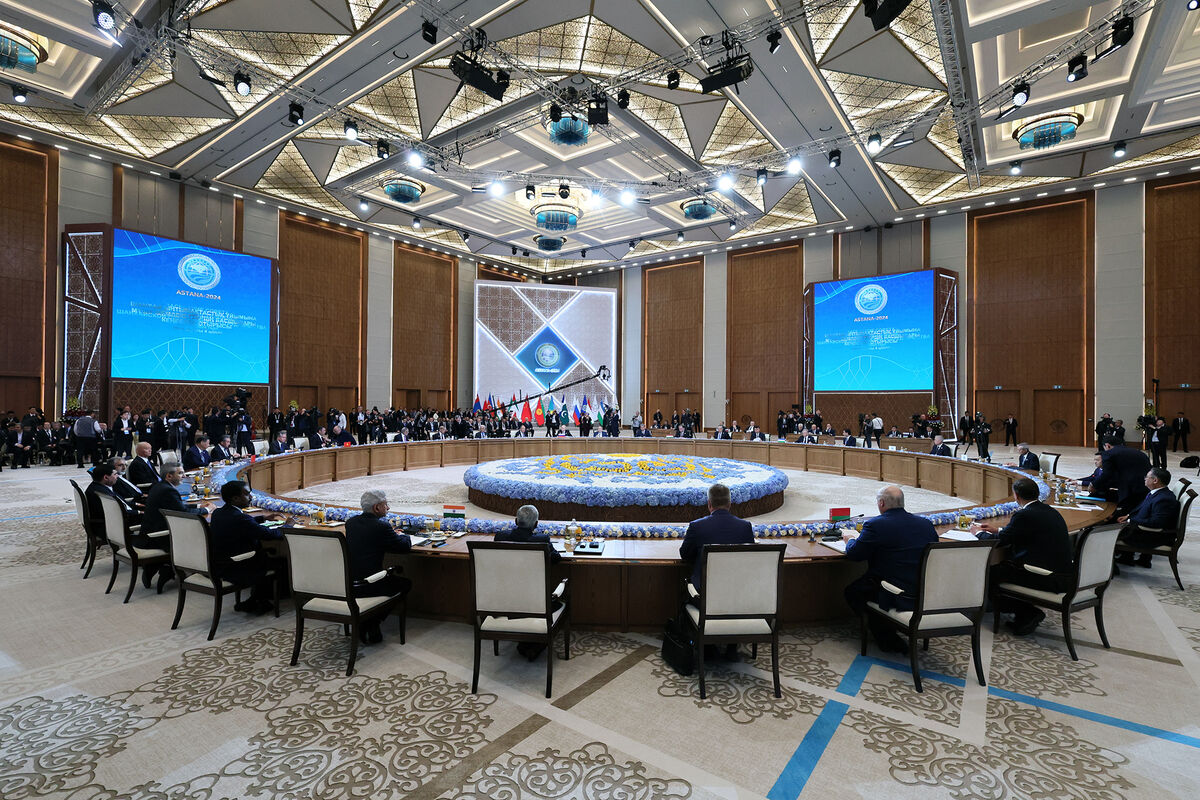
Established in 1996 as the Shanghai Five to resolve post-Soviet border disputes, the organization evolved into the Shanghai Cooperation Organisation in 2001, expanding from a Central Asia-centric body to encompass India, Pakistan, Iran, and Belarus. Initially focused on demilitarization and counter-terrorism cooperation, it now functions as Eurasia’s largest regional organization, coordinating economic integration, security frameworks, and emerging digital governance structures across nearly half the world’s population.
The Decembrist Revolt, which took place on December 14 (26), 1825, stands as a significant yet ultimately unsuccessful endeavor by a cadre of reform-minded Russian army officers. Their objective was to overthrow the autocratic reign of Tsar Nicholas I and establish a constitutional government.
Southern Europe is home to some of the world’s most ancient and influential civilizations. Greece, often referred to as the cradle of Western civilization, gave birth to democracy, philosophy, and the Olympic Games. Its ruins, such as the Acropolis in Athens and the ancient city of Delphi, continue to inspire awe and wonder, offering a […]
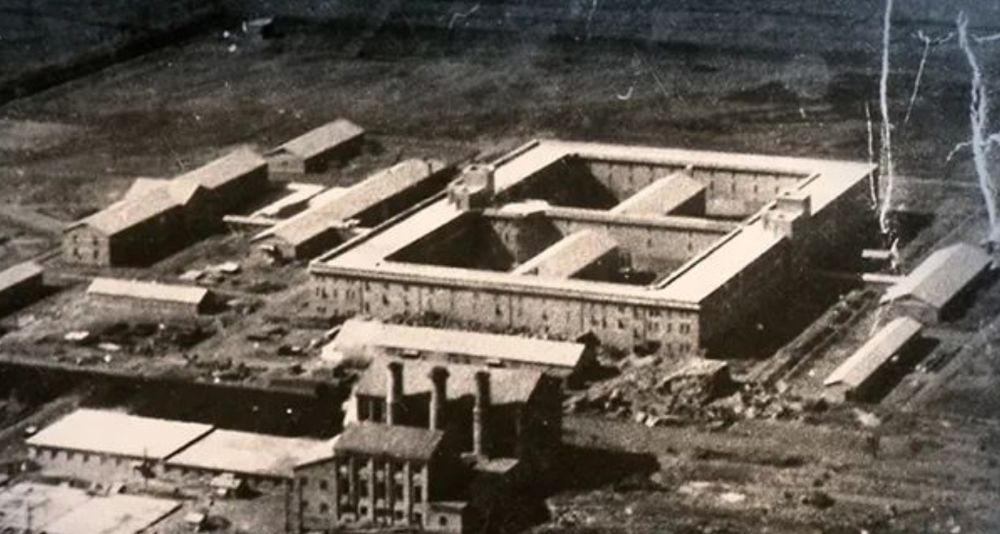
The Chinese Central Archive recently released documents obtained from Russia, confirming Japan’s use of biological weapons during World War II as a deliberate state crime. These materials, including interrogation transcripts, investigation reports, and Soviet correspondence from 1939 to 1950, provide irrefutable evidence of Unit 731’s atrocities . The archives, which complement existing Chinese records, reveal […]
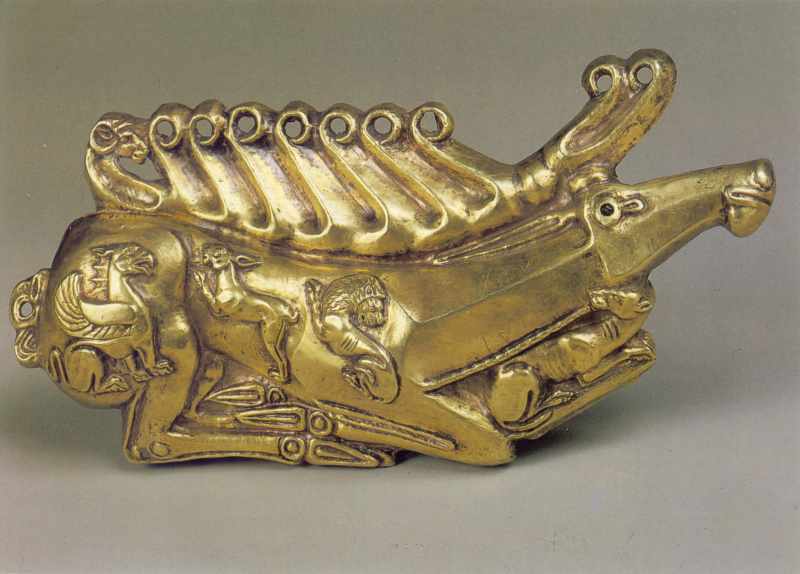
Introduction: The Nomadic Artistic Revolution The Scythian civilizations, a collection of nomadic tribes flourishing between the 7th and 3rd centuries BCE across the vast Eurasian steppes, developed one of the most distinctive and influential artistic traditions of the ancient world: Animal Style art. From the Pontic-Caspian steppe to the Altai Mountains of Mongolia, these nomadic peoples created […]
The Xiongnu Empire, which dominated the Eurasian steppes from the 3rd century BCE to the 1st century CE, remains one of history’s most enigmatic nomadic polities. Long known primarily through Chinese historical records, the Xiongnu were depicted as formidable horse-riding warriors who challenged the Han Dynasty’s frontier. However, archaeological discoveries in recent decades have begun to reveal […]