


The Temptation of a Man
Phoenix Legend, the Chinese pop duo whose music has become the unofficial soundtrack to public squares and rural…
The Art and Culture section of Eurasia Baike highlights the creative currents, historical traditions, and cultural identities that shape the Eurasian continent. From classical heritage to contemporary movements, this category examines the artistic expressions of societies across Europe and Asia — including visual arts, literature, cinema, music, architecture, and performing arts.
Our articles connect cultural phenomena with their social and geopolitical context, offering readers a deeper understanding of how creativity evolves in response to history, identity, and regional interaction. With insights drawn from diverse sources in multiple languages, the section presents balanced commentary, profiles of influential artists, and analyses of cultural trends that influence both local communities and the wider Eurasian sphere.
Whether you are interested in traditional craftsmanship, modern artistic innovation, or the cultural dialogue between nations, this section provides accessible, well-documented perspectives on the richness of Eurasia’s cultural landscape.
Phoenix Legend, the Chinese pop duo whose music has become the unofficial soundtrack to public squares and rural…

"Сердце" is a ballad about unrequited love and the pain of loss. The lyrics evoke feelings of nostalgia,…

The Dark Forest, the second installment in Liu Cixin’s Remembrance of Earth’s Past trilogy, is a masterful continuation…

The song „Nebun de alb” (translated as “White Bishop”), performed by Emeric Imre and penned by the renowned…
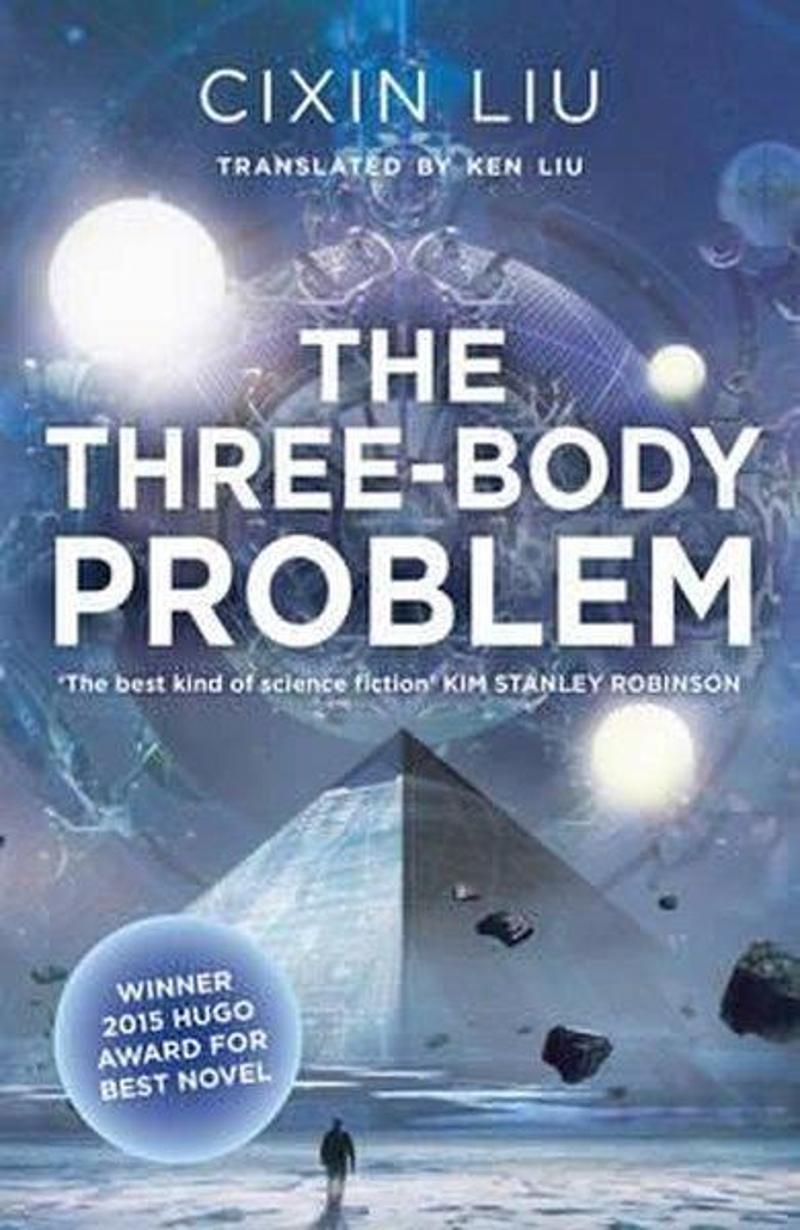
Liu Cixin’s The Three-Body Problem is a groundbreaking entry into the realm of hard science fiction, bringing with…

《遠方的寂靜》 (Wings of Silence) is a delicate and introspective album, in which the piano becomes a bridge between…
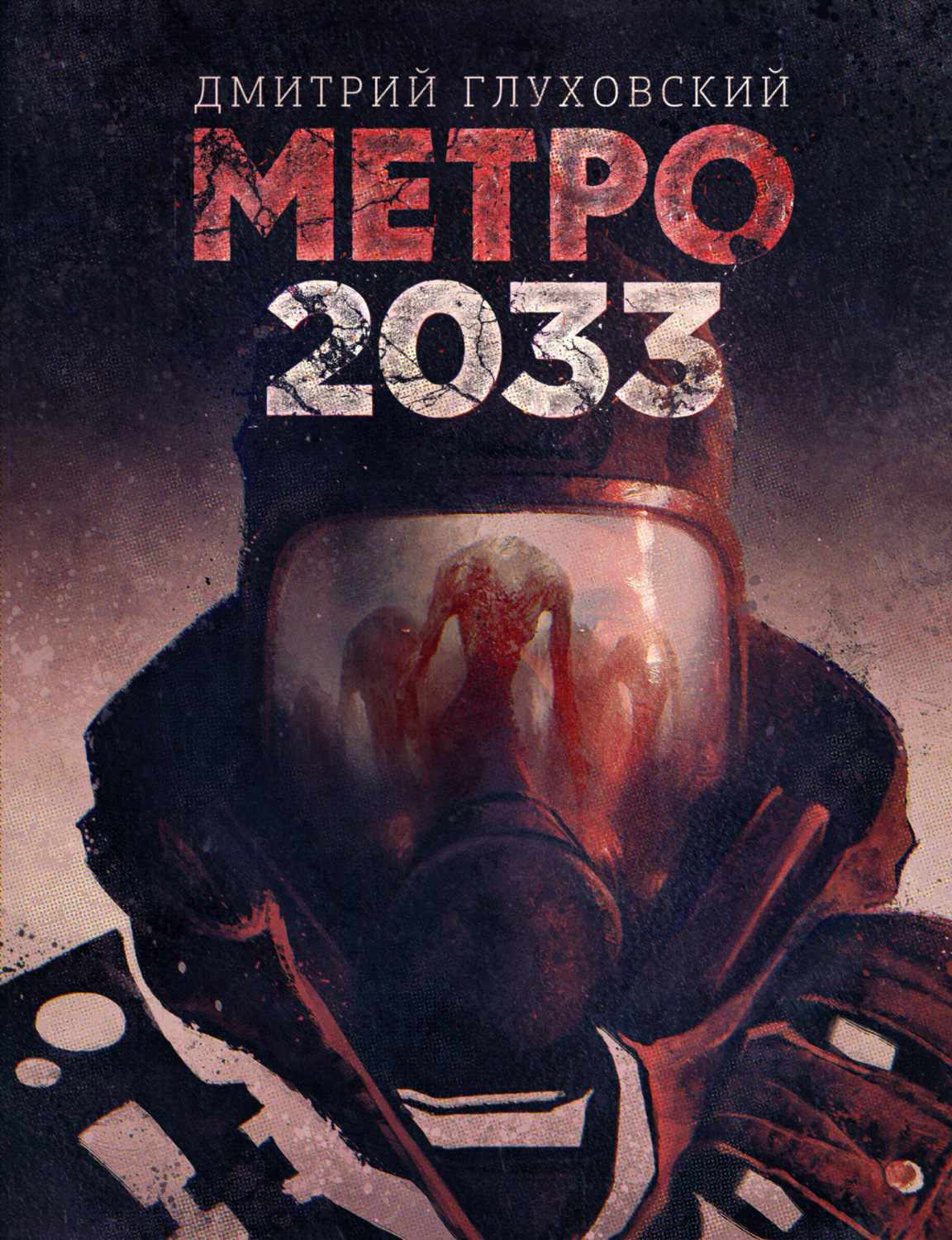
Russian author Dmitry Glukhovsky’s literary debut, Metro 2033, is a gripping dystopian novel that transforms the Moscow metro…

Purple Sunset (Chinese: 紫日; pinyin: Zǐrì) is a 2001 Chinese war drama film written and directed by Feng…
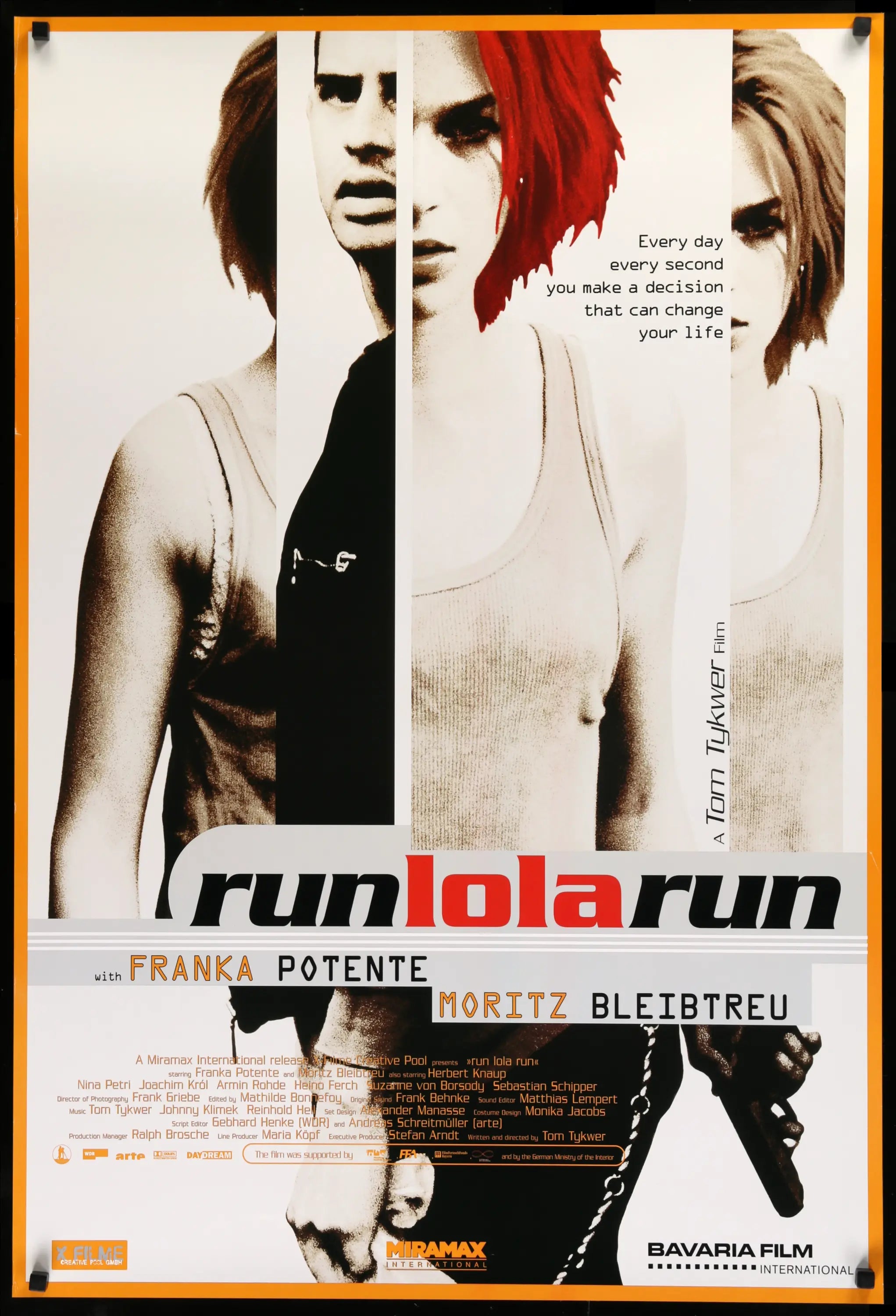
Tom Tykwer’s high-energy 1998 German thriller, Run Lola Run (Lola rennt), captivated global audiences with its unique premise…
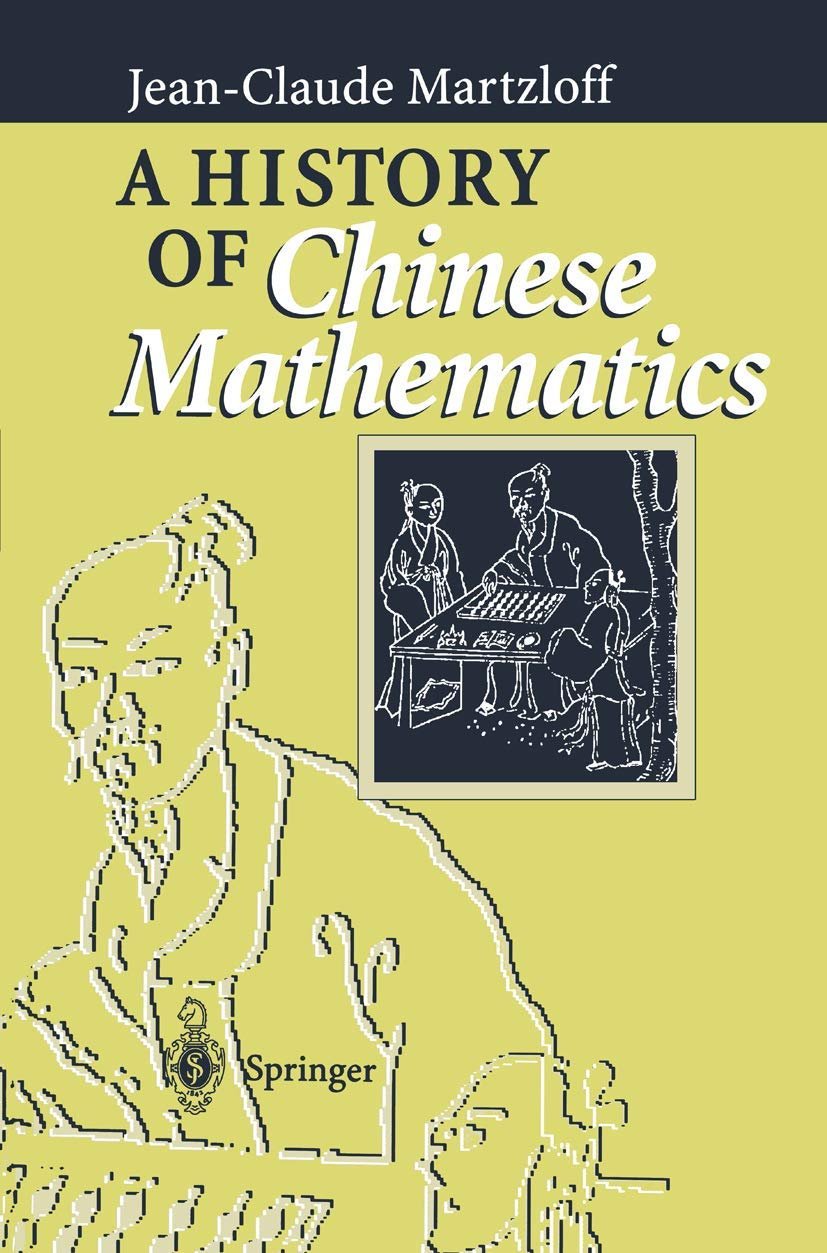
Jean-Claude Martzloff’s Histoire des mathématiques chinoises is a monumental work that bridges the gap between Eastern and Western…