


The pardon
When Paolo Sorrentino unveiled La grazia as the opening film of the 82nd Venice International Film Festival in…
The Art and Culture section of Eurasia Baike highlights the creative currents, historical traditions, and cultural identities that shape the Eurasian continent. From classical heritage to contemporary movements, this category examines the artistic expressions of societies across Europe and Asia — including visual arts, literature, cinema, music, architecture, and performing arts.
Our articles connect cultural phenomena with their social and geopolitical context, offering readers a deeper understanding of how creativity evolves in response to history, identity, and regional interaction. With insights drawn from diverse sources in multiple languages, the section presents balanced commentary, profiles of influential artists, and analyses of cultural trends that influence both local communities and the wider Eurasian sphere.
Whether you are interested in traditional craftsmanship, modern artistic innovation, or the cultural dialogue between nations, this section provides accessible, well-documented perspectives on the richness of Eurasia’s cultural landscape.
When Paolo Sorrentino unveiled La grazia as the opening film of the 82nd Venice International Film Festival in…

To call a song “МЯСО”—“Meat”—is to strip music down to its raw, pulsating tissue and dare the listener…

Indie pop outfit TERELYA delivers a hauntingly intimate meditation on sleeplessness, devotion, and residual grief with their track…
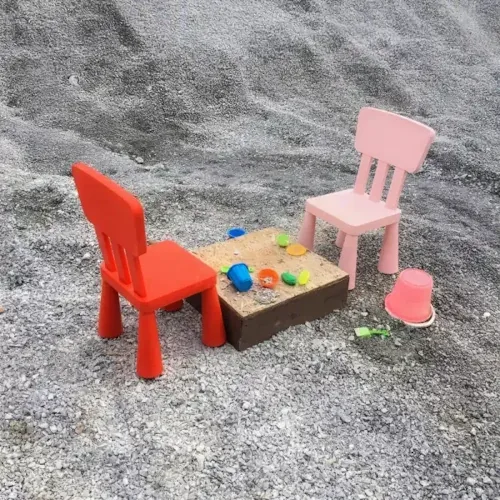
At its core, this poignant composition serves as a deeply introspective meditation on human perspective, emotional resilience, and…
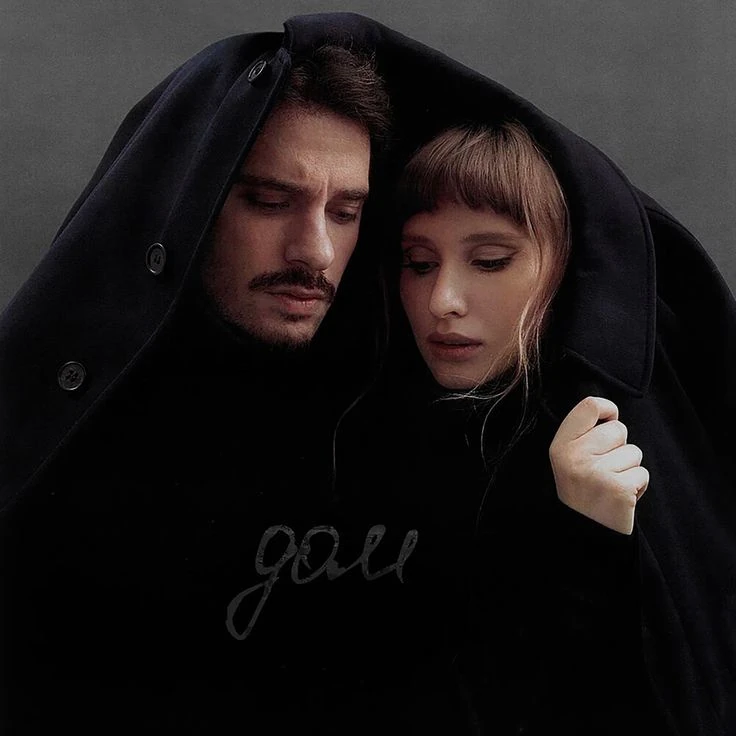
The song unfolds not as a grand commercial spectacle, but as a tender, fireside meditation on the meaning…
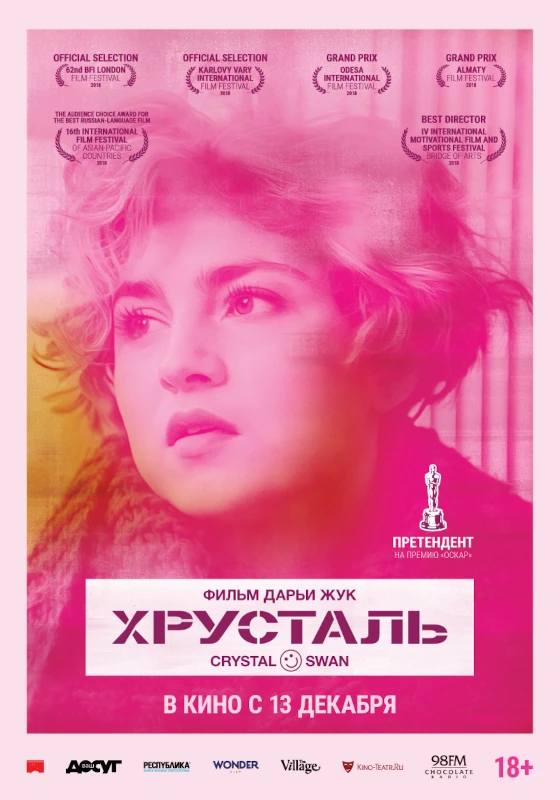
Crystal Swan (Khrustal, 2018) is an unusually vibrant portrait of post-Soviet uncertainty, a film that locates the crisis…

Shifting from gritty crime drama to a contemplative road movie, Boomer 2 explores the possibility of redemption. Centered…

Moya Mishel has released a cover of the hit “Zima v Serdtse” by Gosti iz Budushchego, transforming the…
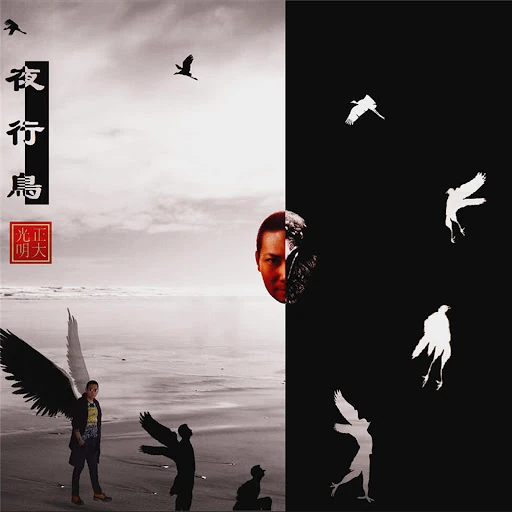
From the moment the opening chords strike, "好兄弟" (Good Brothers) positions itself as a deeply grounded anthem celebrating…

In the sprawling landscape of contemporary electronic music, few things are as delightfully unexpected as a Belarusian synth-pop…