

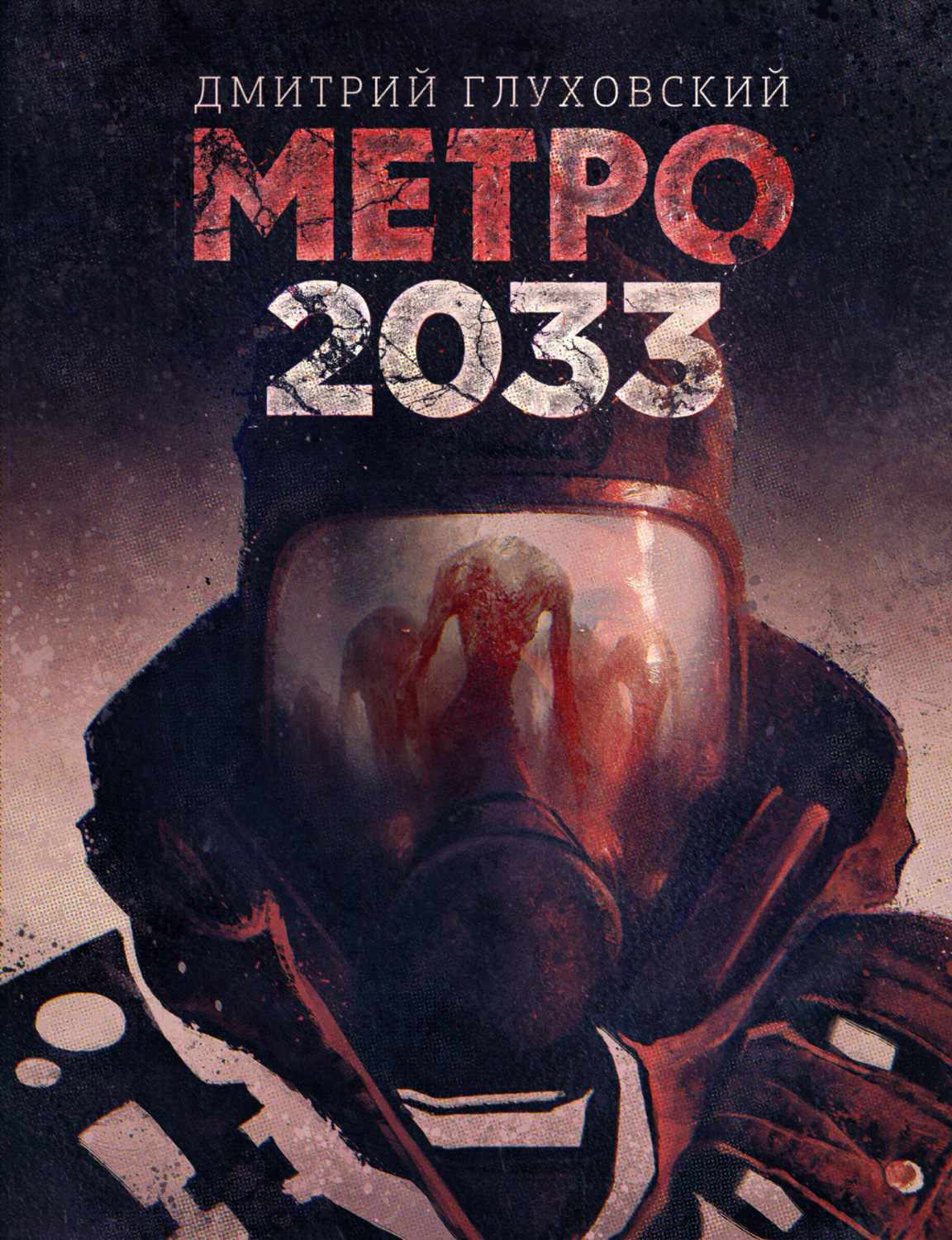
Russian author Dmitry Glukhovsky’s literary debut, Metro 2033, is a gripping dystopian novel that transforms the Moscow metro network into the last bastion of humanity after a devastating nuclear holocaust. This seminal book spawned a cult franchise, inspiring successful video games and literary sequels. Glukhovsky manages to create a claustrophobic yet incredibly vivid world, where each metro station becomes a distinct micronation, with its own laws, beliefs, and mythologies.
The story follows Artyom, a young resident of the VDNH station, who embarks on a perilous journey through the dark tunnels. His mission is an important one: to warn the other stations about a new existential threat – “The Dark Ones,” mysterious beings who seem intent on the ultimate extermination of humanity. Artyom is far from the archetype of the invincible hero; he is an accidental hero, full of doubts and vulnerabilities, a figure with whom the reader can easily identify.
Glukhovsky excels in conveying a realistic sense of isolation and constant danger. The tunnels, filled with mutants and inexplicable creatures, generate a constant tension. The stations, dimly lit by candles and makeshift generators, offer oases of pseudo-normality in a universe where even the air on the surface is dangerous.
The novel explores profound themes, inviting reflection on the human condition: how can humanity retain its essence in the face of a struggle for survival that often reduces it to primal instincts? The stations become symbols of various post-apocalyptic ideologies – from religious fanatics from the Jehovah’s Witnesses sect to communists and neo-Nazis – each claiming its own absolute version of “truth”.
One of the most fascinating aspects of the novel is the way the survivors construct their own mythology to explain the reality around them. Legends of the “Emerald City” or the “worm god” who controls the tunnels add a mystical dimension, reminiscent of the atmosphere of Tarkovsky’s Stalker.
The “Dark Ones”, the telepathic beings who represent the main threat, are the novel’s most disturbing innovation. Are they truly enemies or just the next stage of evolution? Glukhovsky leaves the answer ambiguous, challenging the reader to reflect on the fear of the unknown and the xenophobia inherent in the human condition.
Although Metro 2033 shares certain similarities with works such as Roadside Picnic by Boris and Arkady Strugatsky and The Road by Cormac McCarthy, Glukhovsky’s novel retains a unique voice, combining horror with visceral post-Soviet realism. It is a deeply Russian work, but with universal themes that resonate globally.
The book inspired the Metro video game series (developed by 4A Games), which opened up the universe to a large number of people. However, the novel remains superior in the depth of psychological exploration of the characters and in creating a sense of mystery.
Although some passages may seem slow, and certain secondary characters are sketched out quickly, these aspects actually contribute to amplifying Artyom’s sense of loneliness and isolation. The book’s ending is a philosophical shock, questioning the hero’s entire journey and his actions. Glukhovsky suggests that the real threat comes not from darkness, but from humanity’s persistent inability to evolve and change.
Metro 2033 is much more than a simple work of science fiction or horror; it is a disturbing mirror of the human condition. I enthusiastically recommend this book to anyone looking for a deep and thought-provoking read.