


The Wandering Earth 2
流浪地球2 is a Chinese science fiction film directed by Frant Gwo, the sequel to the 2019 film ”The…
The Art and Culture section of Eurasia Baike highlights the creative currents, historical traditions, and cultural identities that shape the Eurasian continent. From classical heritage to contemporary movements, this category examines the artistic expressions of societies across Europe and Asia — including visual arts, literature, cinema, music, architecture, and performing arts.
Our articles connect cultural phenomena with their social and geopolitical context, offering readers a deeper understanding of how creativity evolves in response to history, identity, and regional interaction. With insights drawn from diverse sources in multiple languages, the section presents balanced commentary, profiles of influential artists, and analyses of cultural trends that influence both local communities and the wider Eurasian sphere.
Whether you are interested in traditional craftsmanship, modern artistic innovation, or the cultural dialogue between nations, this section provides accessible, well-documented perspectives on the richness of Eurasia’s cultural landscape.
流浪地球2 is a Chinese science fiction film directed by Frant Gwo, the sequel to the 2019 film ”The…

“Dance Phone” marks an electrifying collaboration between rising producer Arei and established DJ LEV, delivering a pulsating club…

Mia Boyka's "Саламандра" ("Salamander") is a catchy pop anthem that combines contemporary dance production with folkloric symbolism and…

Born from the creative vision of director Vasilisa Kuzmina, Nika offers an unvarnished glimpse into the final years…

Карамора is a Russian alternative history thriller television series created by director Danila Kozlovsky. It premiered on January…

悬崖之上 | In the 1930s, four Chinese communist spies, Chuilang (Zhu Yawen), Lan (Liu Haocun), Zhang (Zhang Yi),…

“Перевал Дятлов” is a historical thriller based on the real events of 1959, when a group of young…

“Anatomie zrady” (The Anatomy of Betrayal) is a 2020 Czech historical miniseries directed by Biser A. Arichtev, which…

“Abadan 1160” is a remarkable Iranian film, directed by Ebrahim Hatamikia, which explores with sensitivity and intensity the…
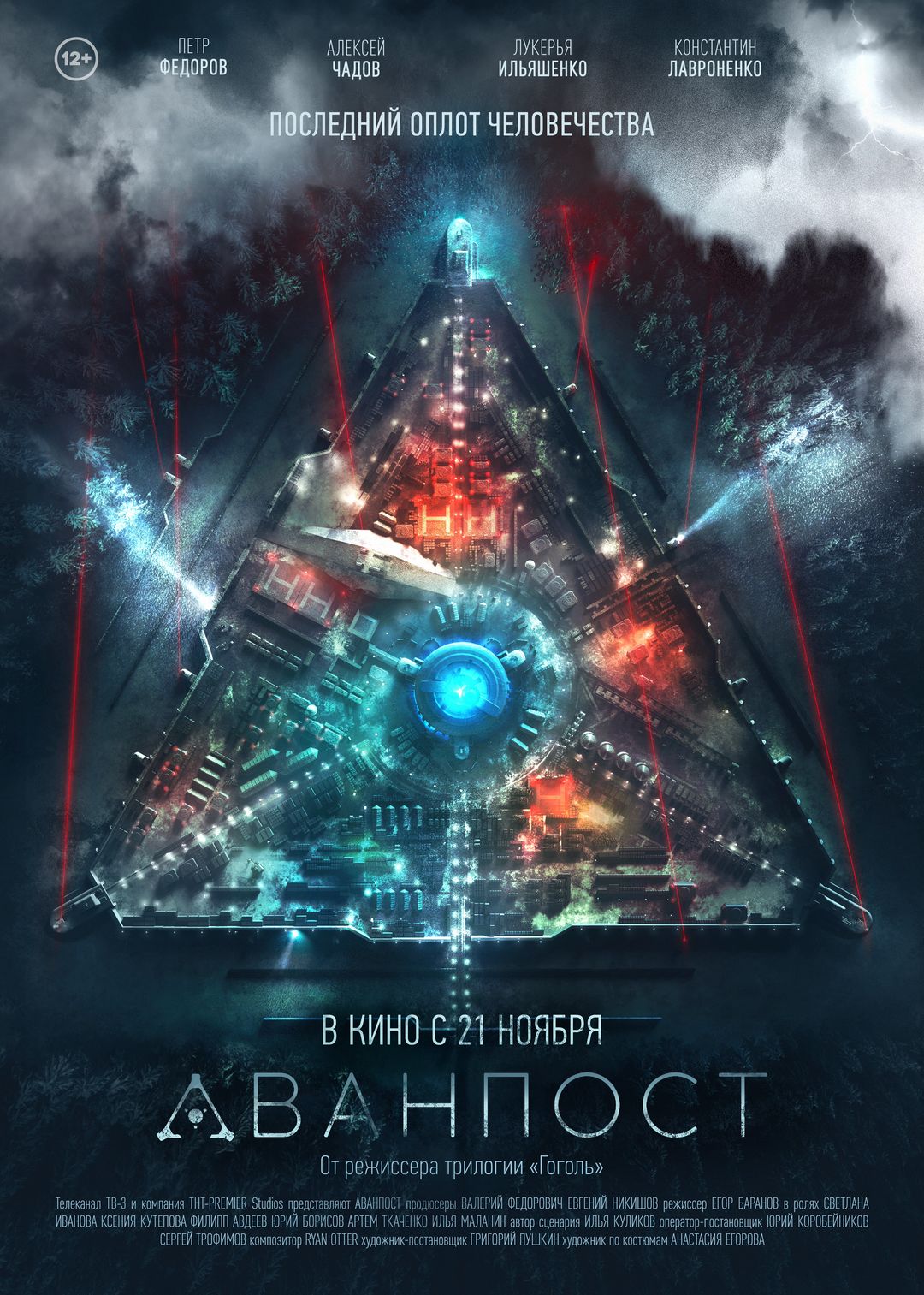
Russian sci-fi: A global blackout leaves one safe zone. Survivors discover humanity is an alien bio-weapon. A gritty…