

“Dance Phone” marks an electrifying collaboration between rising producer Arei and established DJ LEV, delivering a pulsating club anthem that bridges nostalgic rave culture with contemporary electronic production. The track captures the euphoric essence of late-night dance floors while maintaining a polished, radio-friendly appeal that positions it for both underground and mainstream success.
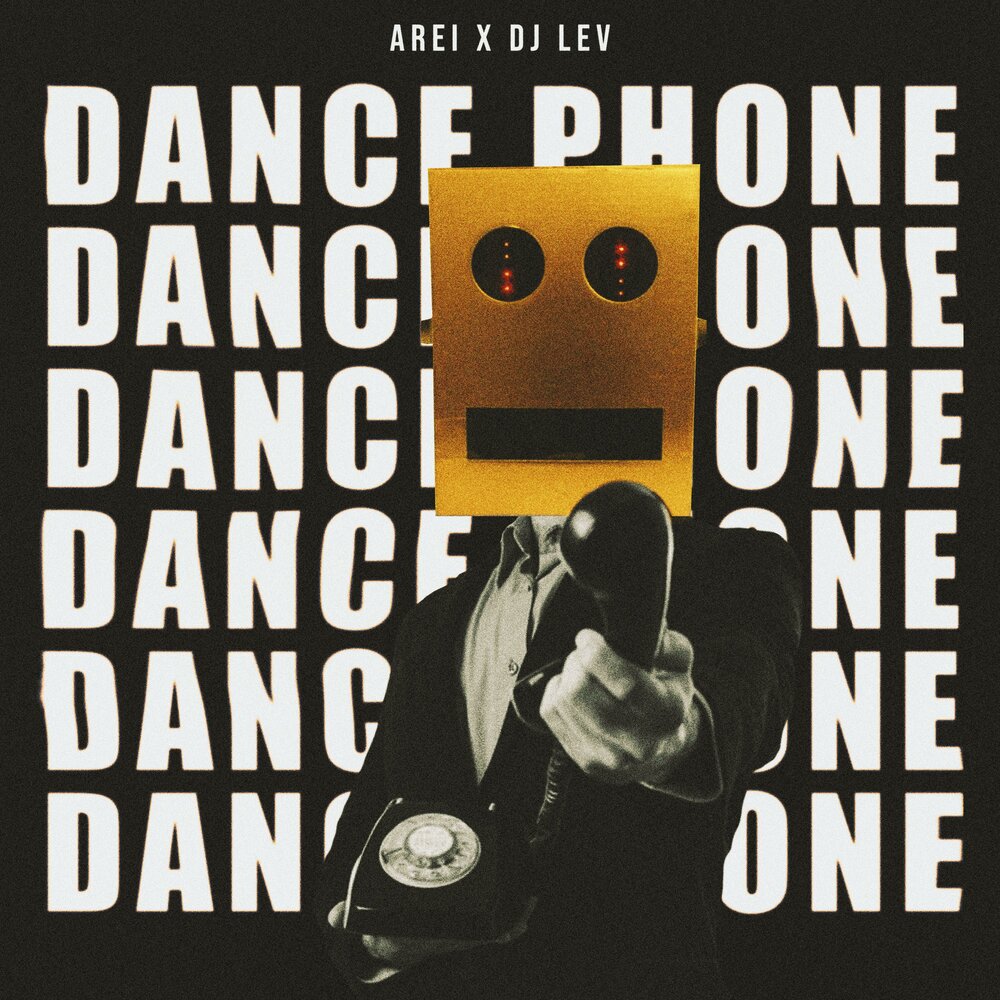
The production on “Dance Phone” is its strongest asset. DJ LEV’s signature bass-heavy approach meshes seamlessly with Arei’s melodic sensibilities, creating a dynamic soundscape that evolves throughout its runtime. The track opens with crisp, staccato synth stabs reminiscent of early 2000s electro-house before cascading into a driving four-on-the-floor beat that anchors the entire composition.
The bassline deserves particular praise—it’s punchy without overwhelming the mix, maintaining clarity even when the arrangement reaches its peak density. Clever use of filter sweeps and risers creates tension during the build-ups, while the drop delivers satisfying release without resorting to predictable EDM tropes. The sound design feels intentional rather than formulaic, with each element serving the track’s kinetic energy.
Where “Dance Phone” truly shines is in its infectious melodic hook. The titular “dance phone” vocal sample, processed and pitched to sit somewhere between playful and hypnotic, loops throughout the track with strategic variations that prevent monotony. It’s the kind of earworm that will have club-goers chanting along by the second chorus—a testament to the artists’ understanding of what makes a track memorable.
The synth leads weave between retro analog warmth and modern digital precision, creating a sonic palette that feels both nostalgic and forward-thinking. There’s a distinct influence from French touch and filtered disco, yet the track never feels derivative. Instead, Arei and DJ LEV have distilled these influences into something that feels fresh and relevant to today’s electronic music landscape.
The arrangement demonstrates professional restraint—a quality often missing in contemporary dance music. Rather than front-loading every idea in the first minute, “Dance Phone” builds gradually, allowing each section to breathe. The breakdown at the two-minute mark strips away the percussive elements, leaving only atmospheric pads and the vocal hook floating in reverb-soaked space. It’s a brief moment of introspection before the track explodes back into its full-throttle groove.
However, this is also where the track reveals its minor weakness: the structure, while effective, doesn’t take many risks. The verse-buildup-drop-breakdown-drop formula is executed flawlessly but offers little in terms of surprise. A more adventurous arrangement might have elevated “Dance Phone” from a great club track to an instant classic.
The energy curve is expertly managed, building anticipation without exhausting the listener. This is the kind of track that sounds massive on a proper sound system, where the sub-bass can physically shake the room and the crisp hi-hats cut through the mix with laser precision.
“Dance Phone” arrives at an interesting moment for electronic music, as the genre continues fragmenting into countless micro-genres while simultaneously seeing renewed mainstream interest. The track’s blend of accessibility and underground credibility positions it to cross over without alienating purists. There’s something refreshingly unpretentious about it—no grandiose conceptual pretensions, just pure, unadulterated dancefloor hedonism.