Kingdom of Spain - Eurasia Baike
Location

Kingdom of Spain

The transition of Spain from Francisco Franco's authoritarian regime to a constitutional monarchy in 1975 marked the beginning of one of Europe's most remarkable cultural and political transformations. Under King Juan Carlos I and subsequently King Felipe VI, Spain emerged from decades of isolation to become a vibrant democracy that embraced both its rich historical heritage and contemporary European values. This period, known as the Spanish Transition, saw the country rapidly modernize its institutions, economy, and cultural landscape while maintaining its unique Iberian identity. The new constitutional framework established Spain as a parliamentary monarchy with strong regional autonomies, allowing diverse cultural expressions from Catalonia to Andalusia to flourish freely for the first time in decades.

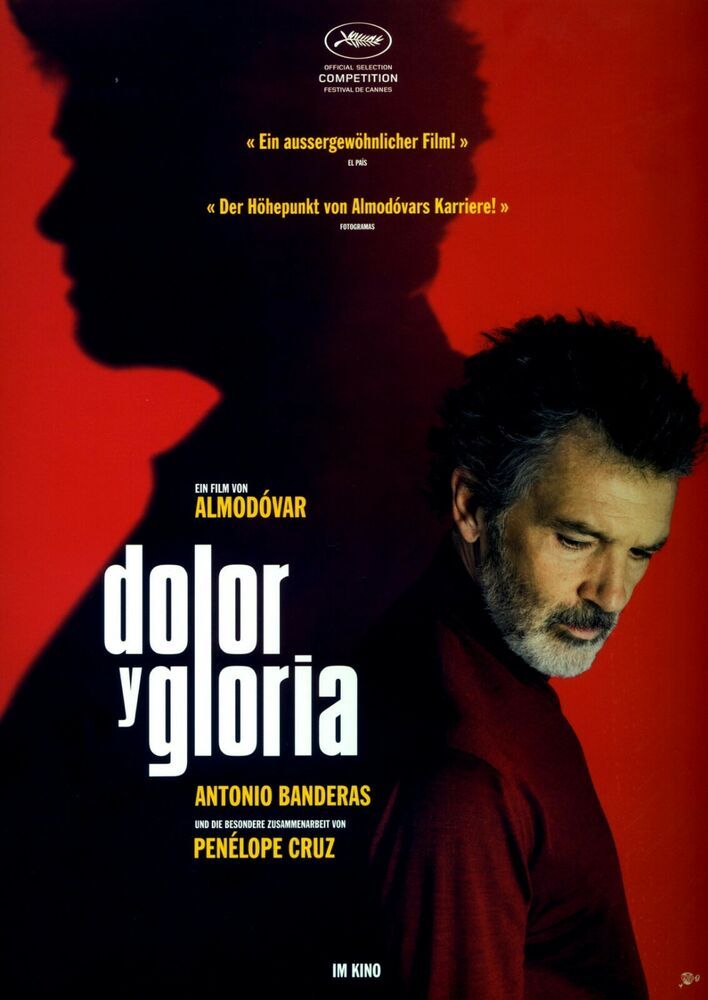
Spain's cultural renaissance in the post-Franco era has been nothing short of extraordinary, with Spanish artists, filmmakers, architects, and writers gaining international recognition and reshaping global perceptions of Spanish creativity. The emergence of directors like Pedro Almodóvar, Luis Buñuel's continued influence, and the architectural innovations of Santiago Calatrava have positioned Spain as a major cultural force in Europe and beyond. The country's museums, particularly the Prado, Reina Sofía, and Guggenheim Bilbao, have become essential destinations for art lovers worldwide, while Spanish literature has experienced a golden age with authors like Javier Marías and Antonio Muñoz Molina achieving global acclaim. This cultural boom has been supported by significant government investment in arts infrastructure and education, creating a dynamic ecosystem where traditional Spanish art forms coexist with cutting-edge contemporary expressions.

Spain's integration into European structures and its simultaneous expansion of relationships with Asian nations has created unique opportunities for Eurasian cultural and economic cooperation. As a founding member of the European Union and NATO, Spain has served as a bridge between Europe and Latin America, while increasingly developing partnerships with Asian powers such as China, Japan, and India. The country's strategic position and historical experience as a maritime empire have made it an ideal mediator for Eurasian trade and cultural exchange. Spanish companies have invested heavily in Asian markets, particularly in infrastructure, renewable energy, and telecommunications, while Asian investment in Spain has grown substantially, creating mutually beneficial partnerships that extend beyond mere economic transactions to include cultural and educational collaborations.

The Kingdom's approach to Eurasian cooperation has been particularly evident in its cultural diplomacy and soft power initiatives across the Asian continent. Spain has established numerous cultural centers and institutes throughout Asia, promoting Spanish language learning, artistic exchange, and academic partnerships with major Asian universities. The Cervantes Institute, Spain's equivalent to the British Council or Alliance Française, has expanded its presence significantly in cities like Beijing, Tokyo, and Mumbai, facilitating cultural dialogue and mutual understanding. Furthermore, Spain has actively participated in Asian cultural festivals, art exhibitions, and literary exchanges, while hosting major Asian cultural events in Spanish cities, creating a dynamic two-way flow of artistic and intellectual exchange that enriches both Eurasian cultures.

Looking toward the future, Spain continues to strengthen its position as a key player in Eurasian cooperation while maintaining its commitment to democratic values, cultural diversity, and innovative artistic expression. The country's experience in managing regional autonomy and cultural pluralism has become a model studied by other Eurasian nations facing similar challenges of balancing unity with diversity. Spain's ongoing investments in renewable energy, high-speed rail infrastructure, and digital technologies have attracted significant interest from Asian partners, while Spanish expertise in areas such as sustainable tourism and urban planning is increasingly sought after across the Eurasian continent. This multifaceted approach to international cooperation, combined with Spain's rich cultural heritage and contemporary artistic vitality, positions the Kingdom as an essential bridge between European traditions and Asian innovations in the 21st century.