

Pedro Almodovar - Eurasia Baike
Director

Pedro Almodovar

Pedro Almodóvar Caballero, born on September 25, 1949, in Calzada de Calatrava, Spain, is one of contemporary cinema's most distinctive and influential directors. Growing up in a conservative rural environment during Francisco Franco's dictatorship, Almodóvar developed an early fascination with cinema and storytelling that would later define his rebellious artistic vision. His childhood experiences in La Mancha, combined with his family's move to Madrid in the 1960s, exposed him to the stark contrasts between traditional Spanish values and the emerging counterculture that would heavily influence his filmmaking style. Despite lacking formal film education, Almodóvar's passion for cinema led him to work various jobs while writing scripts and creating short films in his spare time.

Almodóvar's breakthrough came during Spain's cultural renaissance known as "La Movida Madrileña" in the late 1970s and early 1980s. His debut feature film "Pepi, Luci, Bom and Other Girls Like Mom" (1980) marked the beginning of a career characterized by bold storytelling, vibrant visual aesthetics, and unapologetic exploration of sexuality, identity, and human relationships. Throughout the 1980s and 1990s, he established himself as a master of melodrama with films like "Women on the Verge of a Nervous Breakdown" (1988), which earned him international recognition and an Academy Award nomination. His unique cinematic language combines elements of Spanish culture with universal themes, creating a distinctive style that celebrates both the tragic and comic aspects of human experience.

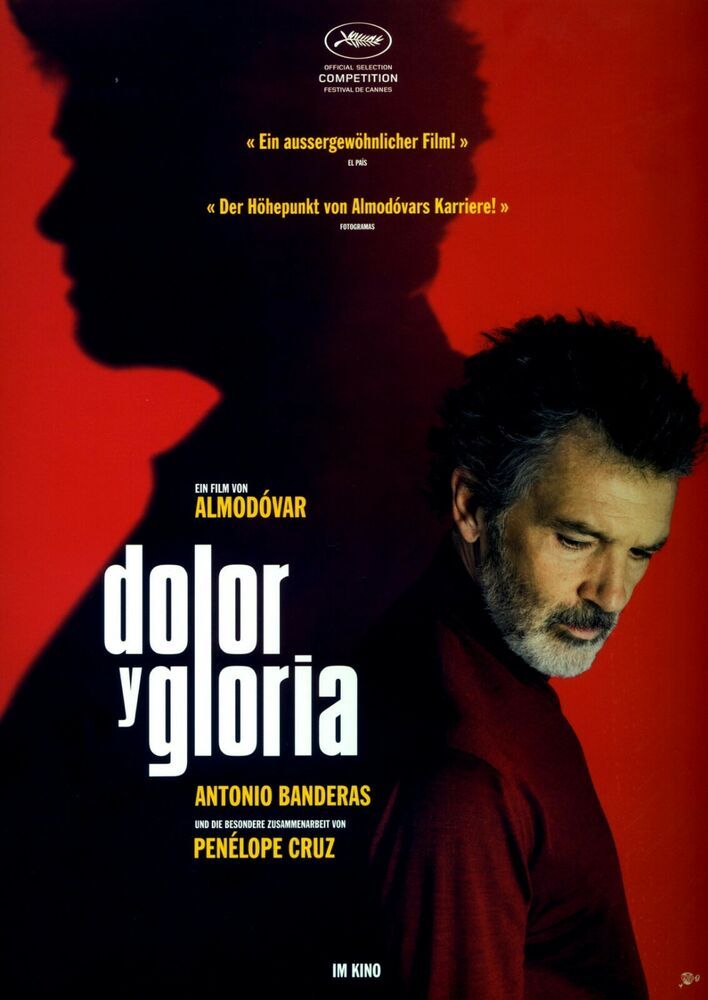
The director's international acclaim reached new heights with "All About My Mother" (1999), which won the Academy Award for Best Foreign Language Film, and "Talk to Her" (2002), which earned him an Oscar for Best Original Screenplay. These films showcased Almodóvar's maturity as a filmmaker and his ability to create complex narratives that explore themes of motherhood, love, loss, and redemption. His later works, including "Volver" (2006), "The Skin I Live In" (2011), and "Pain and Glory" (2019), have continued to demonstrate his evolution as an artist while maintaining his signature style of emotional intensity and visual splendor. His films often feature strong female protagonists and explore the complexities of modern relationships with both humor and profound psychological insight.

Pedro Almodóvar's legacy extends far beyond his individual films, as he has fundamentally changed how Spanish cinema is perceived globally and has inspired countless filmmakers worldwide. His production company, El Deseo, co-founded with his brother Agustín, has become synonymous with quality Spanish cinema and has supported numerous emerging talents. Throughout his career, Almodóvar has received numerous accolades, including multiple Cannes Film Festival awards, Golden Globes, and BAFTAs, cementing his status as one of cinema's most celebrated auteurs. His influence on contemporary filmmaking continues to grow, as new generations of directors draw inspiration from his fearless approach to storytelling and his commitment to creating cinema that is both deeply personal and universally resonant.