

German Empire
The German Empire, founded in 1871, emerged as a society of profound contrasts, where rapid industrialization and political modernization coexisted with deeply rooted traditions and authoritarian structures. Culturally, this era was defined by a concerted effort to construct a unified national identity from the diverse tapestry of German states, a project known as Kulturkampf. This "culture war" sought to elevate secular, state-centric loyalty over regional and religious affiliations, particularly Catholicism. The period witnessed a celebration of Germanic myths, history, and Volk (folk) culture, epitomized by the monumental operas of Richard Wagner, which offered a mythic past for the new nation, and the philosophy of Friedrich Nietzsche, which challenged its moral foundations. Society was stratified yet dynamic, with a burgeoning industrial proletariat, a powerful military-aristocratic elite (the Junkers), and a growing, confident middle class (Bürgertum) that valued education, order, and civic achievement.
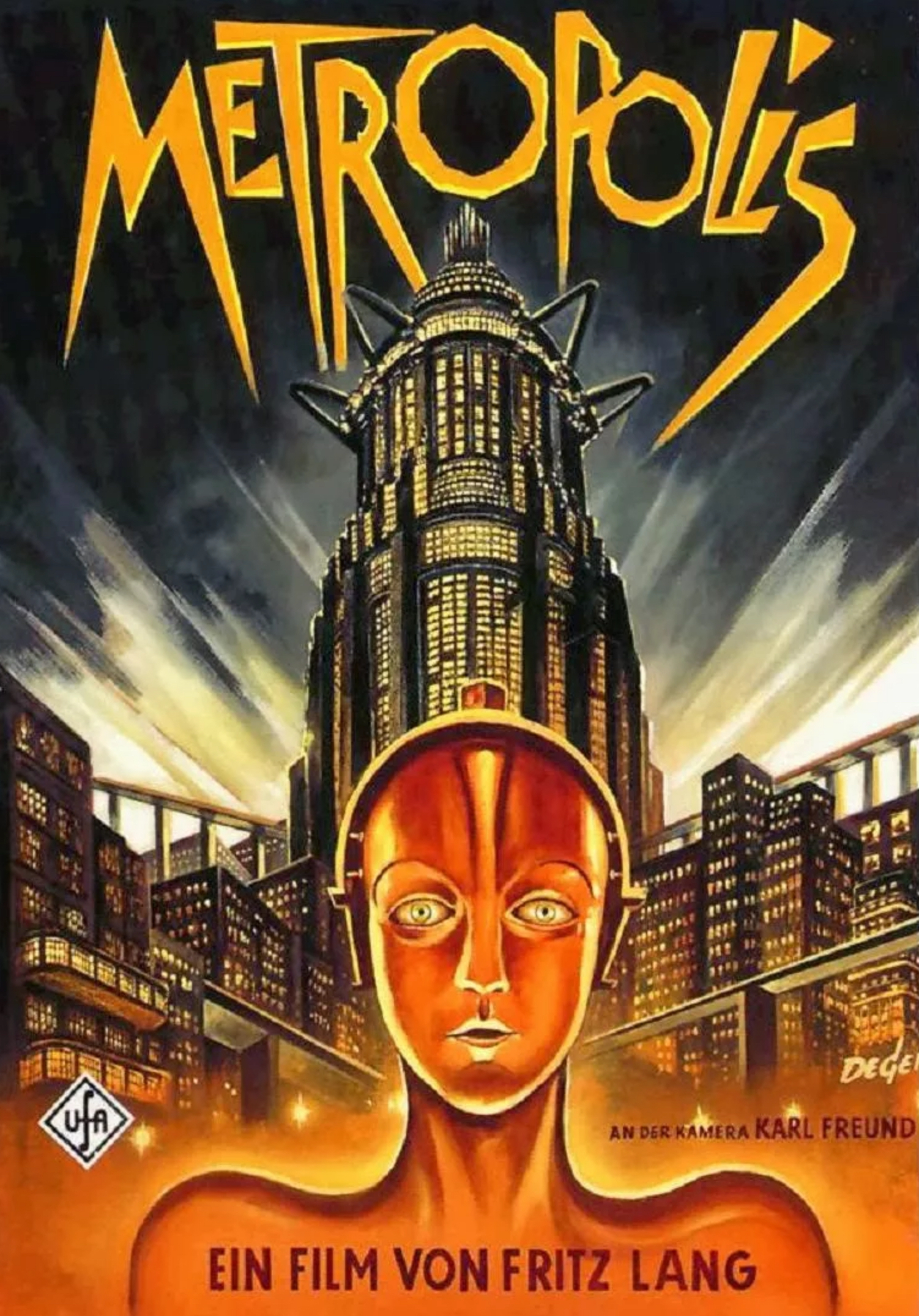
Artistically, the Kaiserreich was a fertile ground for innovation and opposition. While official and academic art often served nationalist and imperial purposes, celebrating the Hohenzollern dynasty and military triumphs in a realistic style, transformative movements pushed against this grain. German Impressionism, led by artists like Max Liebermann, captured modern life with a lighter touch. More significantly, the decade before World War I saw the explosive birth of German Expressionism, with groups such as Die Brücke (The Bridge) using distorted forms and violent color to express raw emotion and critique social alienation. In architecture and design, a rejection of ornamental historicism led to the sleek, functional aesthetics of the Jugendstil (the German Art Nouveau) and the pioneering work of the Deutscher Werkbund, which sought to harmonize art, industry, and craft, laying groundwork for the later Bauhaus.
From a social perspective, the Empire was a crucible of modernity, defined by its immense scientific and technological advances—from the pharmaceuticals of Bayer to the theoretical physics of Max Planck—and the growth of Europe's largest socialist party, the SPD. Yet this modern thrust was contained within an inflexible political system, creating immense tension. Urbanization accelerated, creating sprawling cities with both impressive infrastructure and grim tenements. A rigorous education system produced a highly literate populace, while a complex web of social clubs and associations (Vereine) structured civilian life. The era also saw the rise of organized feminism and debates over the "woman question," even as society remained patriarchal. Ultimately, the Wilhelminian period’s defining feature was this potent duality: a society pulsating with creative and intellectual energy, yet increasingly strained by its own internal contradictions, marching toward an unimaginable catastrophe that would shatter its world forever
1962
