

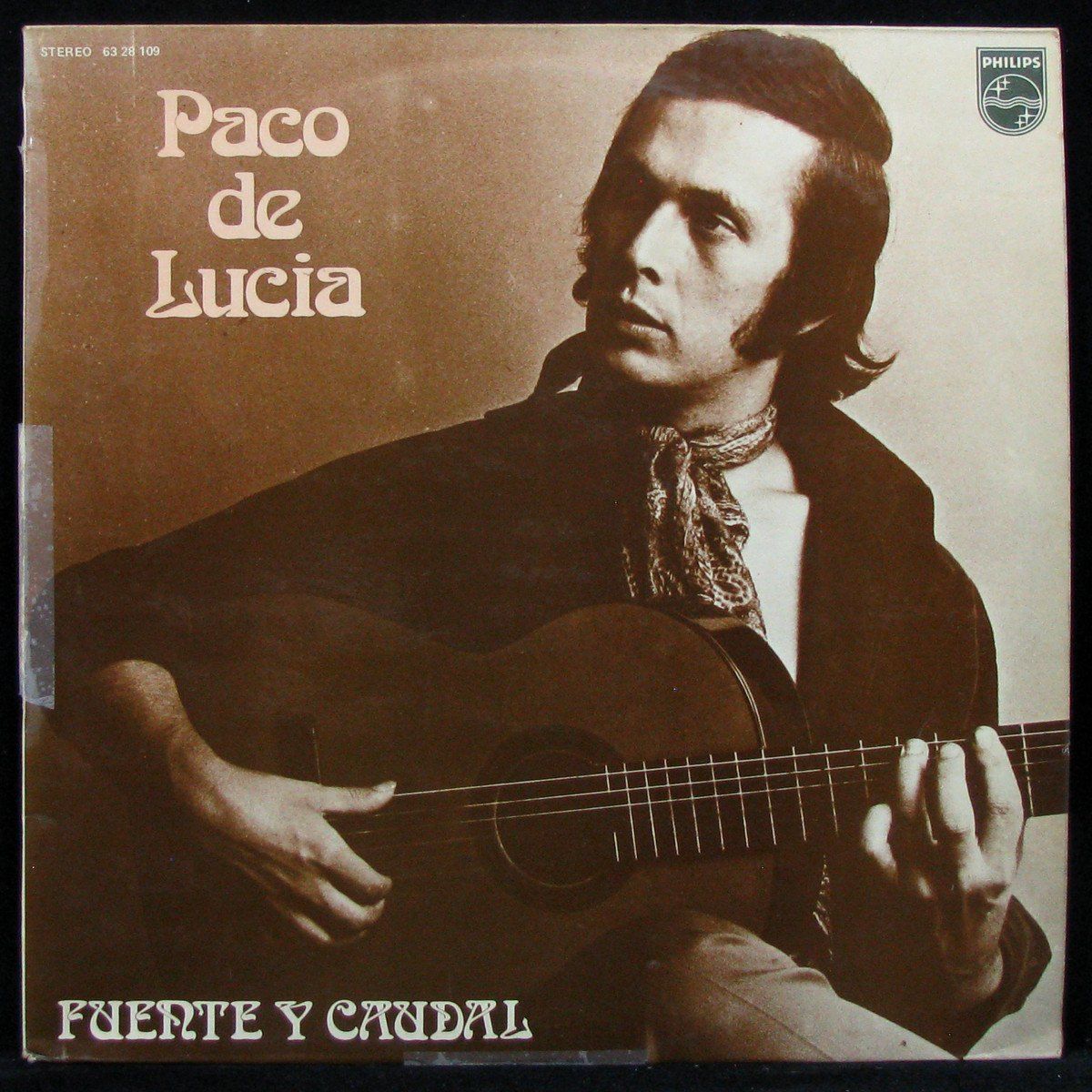
Between Two Waters
In the mid-1970s, as Spain cautiously emerged from the shadows of dictatorship, a revolutionary sound rippled from the…
The Art and Culture section of Eurasia Baike highlights the creative currents, historical traditions, and cultural identities that shape the Eurasian continent. From classical heritage to contemporary movements, this category examines the artistic expressions of societies across Europe and Asia — including visual arts, literature, cinema, music, architecture, and performing arts.
Our articles connect cultural phenomena with their social and geopolitical context, offering readers a deeper understanding of how creativity evolves in response to history, identity, and regional interaction. With insights drawn from diverse sources in multiple languages, the section presents balanced commentary, profiles of influential artists, and analyses of cultural trends that influence both local communities and the wider Eurasian sphere.
Whether you are interested in traditional craftsmanship, modern artistic innovation, or the cultural dialogue between nations, this section provides accessible, well-documented perspectives on the richness of Eurasia’s cultural landscape.
In the mid-1970s, as Spain cautiously emerged from the shadows of dictatorship, a revolutionary sound rippled from the…

In "Natasha’s Dance: A Cultural History of Russia", Orlando Figes crafts a sweeping, evocative narrative that seeks to…

Juliette Armanet's "Partir un jour" captures the bittersweet essence of departure with remarkable emotional clarity, transforming the act…

In “Fata Morgana,” Nina Chuba turns the classic image of an optical illusion into a sharply contemporary portrait…

Deng Yao’s “Farewell Letter” is a work that profoundly contemplates classical emotions within a contemporary musical context. It…

In Paolo Sorrentino’s masterpiece The Great Beauty, the Eternal City is not merely a backdrop but a central,…

If the question posed by The Seventh Seal is a cosmic one of divine silence, its French New…

Vittorio De Sica’s "Bicycle Thieves" (Ladri di biciclette) is the definitive masterpiece of Italian Neorealism, a movement that…

Amélie (2001), directed by Jean-Pierre Jeunet, is a whimsical yet quietly introspective portrait of contemporary Paris, filtered through…

Roman Polanski’s "The Pianist" (2002) is a staggering achievement in Holocaust cinema, distinguished by its unwavering commitment to…