
Great Ming
Ming China (大明), spanning from 1368 to 1644, stands as one of the most captivating and influential periods in Chinese history. Founded by Zhu Yuanzhang, later known as Emperor Hongwu, the Ming Dynasty emerged from the ashes of the Yuan Dynasty, marking a new era of Han Chinese rule after centuries of Mongol domination. The dynasty's establishment not only restored Chinese sovereignty but also set the stage for a period of remarkable cultural, economic, and political development.
The early Ming period was characterized by a series of ambitious reforms and military campaigns aimed at consolidating power and expanding the empire's influence. Emperor Hongwu's abolition of the丞相 (prime minister) position and the establishment of a highly centralized bureaucracy marked a significant shift in Chinese governance, enhancing imperial authority at the expense of regional autonomy. This centralization was further reinforced by the construction of the Forbidden City in Beijing, which served as the political heart of the empire and a symbol of Ming power and prestige.
Economically, the Ming Dynasty witnessed unprecedented prosperity, driven by advancements in agriculture, handicrafts, and trade. The introduction of new crops, such as sweet potatoes and maize, boosted agricultural productivity, while the flourishing of industries like textiles and porcelain made Ming China a global leader in manufacturing. The dynasty's maritime exploits, most notably the seven voyages of Admiral Zheng He, not only expanded China's influence across the Indian Ocean but also facilitated a vibrant exchange of goods, ideas, and cultures with distant lands.
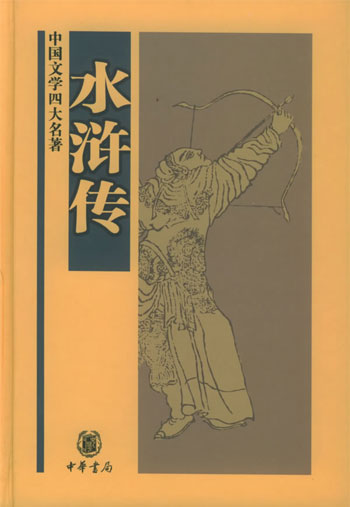
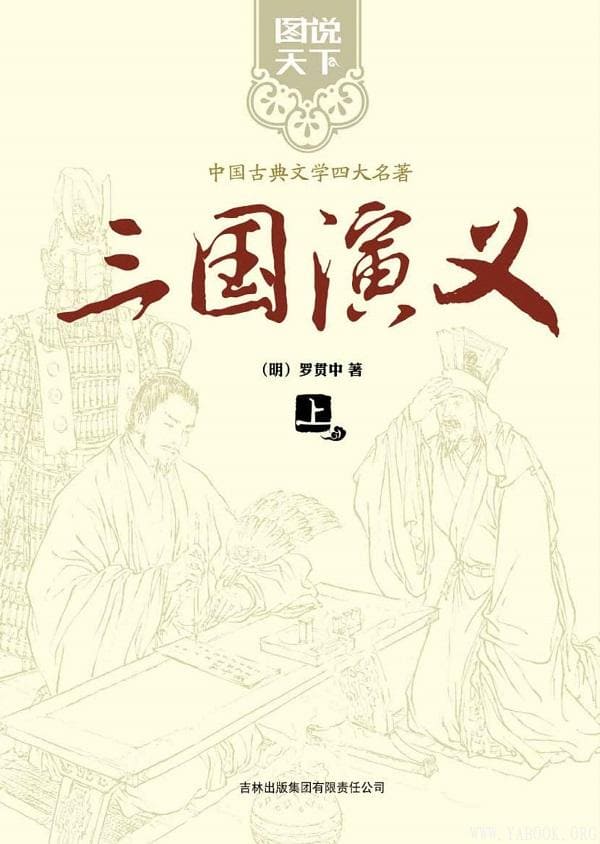
Culturally, the Ming era was a golden age of artistic and literary achievement. The period saw the creation of some of China's most enduring literary masterpieces, including "Romance of the Three Kingdoms," "Water Margin," and "Journey to the West." In the visual arts, painting and calligraphy flourished, with artists like Shen Zhou and Tang Yin pushing the boundaries of traditional styles. Meanwhile, the development of the printing press and the widespread availability of books contributed to a surge in literacy and the dissemination of knowledge.
However, the Ming Dynasty was not without its challenges. Political corruption, factionalism, and economic mismanagement gradually eroded the dynasty's foundations, leading to a series of crises that culminated in the fall of Beijing to the rebel leader Li Zicheng in 1644. Despite its eventual collapse, the Ming Dynasty left an indelible mark on Chinese history, shaping the course of the nation's development for centuries to come. Its legacy can be seen in the enduring cultural traditions, architectural wonders, and historical narratives that continue to captivate and inspire people around the world
1591