

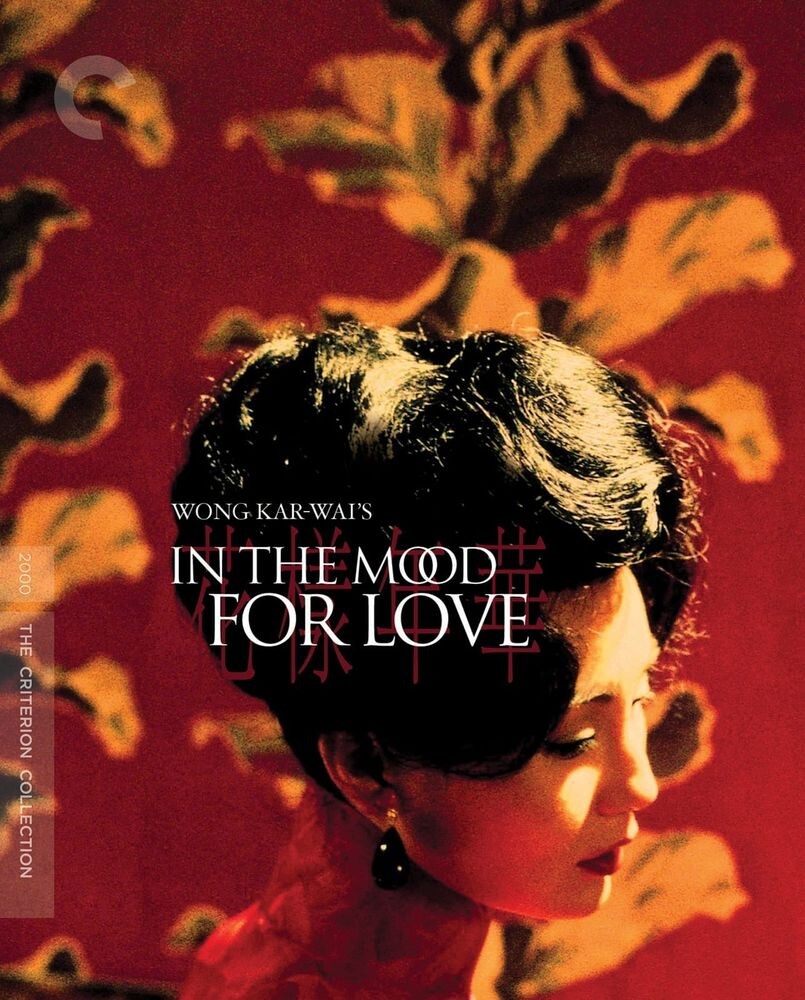
Wong Kar-wai’s In the Mood for Love is perhaps the most beautiful film ever made about the ache of what might have been. Set in 1960s Hong Kong, it follows two neighbors, Chow Mo-wan and Su Li-zhen, who discover that their respective spouses are having an affair with each other. In their shared grief and loneliness, they begin to spend time together, eventually falling in love but vowing never to “be like them,” resulting in a romance of intense restraint and unspoken longing.
The film is a sensory feast. Christopher Doyle’s cinematography, combined with the vibrant colors of the cheongsams worn by Maggie Cheung, creates a claustrophobic yet lush atmosphere. Wong Kar-wai captures the cramped spaces of the tenement buildings and the rain-slicked alleys with a voyeuristic intimacy. The use of slow motion and Shigeru Umebayashi’s haunting “Yumeji’s Theme” elevates simple acts—like walking to a noodle stall—into moments of profound emotional weight.
Tony Leung and Maggie Cheung deliver career-defining performances using little more than glances and subtle shifts in posture. Their chemistry is electric precisely because it is never fully consummated; the tragedy of the film lies in the silence between them. In the Mood for Love is a poem about time, memory, and the ephemeral nature of connection, leaving the audience with a lingering sense of melancholy that is difficult to shake.