


Bandit
Azúcar Moreno's "Bandido" (1990) is not simply an Eurovision pop song; it represents a foundational moment for what…
The Art and Culture section of Eurasia Baike highlights the creative currents, historical traditions, and cultural identities that shape the Eurasian continent. From classical heritage to contemporary movements, this category examines the artistic expressions of societies across Europe and Asia — including visual arts, literature, cinema, music, architecture, and performing arts.
Our articles connect cultural phenomena with their social and geopolitical context, offering readers a deeper understanding of how creativity evolves in response to history, identity, and regional interaction. With insights drawn from diverse sources in multiple languages, the section presents balanced commentary, profiles of influential artists, and analyses of cultural trends that influence both local communities and the wider Eurasian sphere.
Whether you are interested in traditional craftsmanship, modern artistic innovation, or the cultural dialogue between nations, this section provides accessible, well-documented perspectives on the richness of Eurasia’s cultural landscape.
Azúcar Moreno's "Bandido" (1990) is not simply an Eurovision pop song; it represents a foundational moment for what…

Andrei Tarkovsky’s 1975 masterpiece, The Mirror (Zerkalo), stands as a monumental achievement in world cinema, transcending traditional narrative…
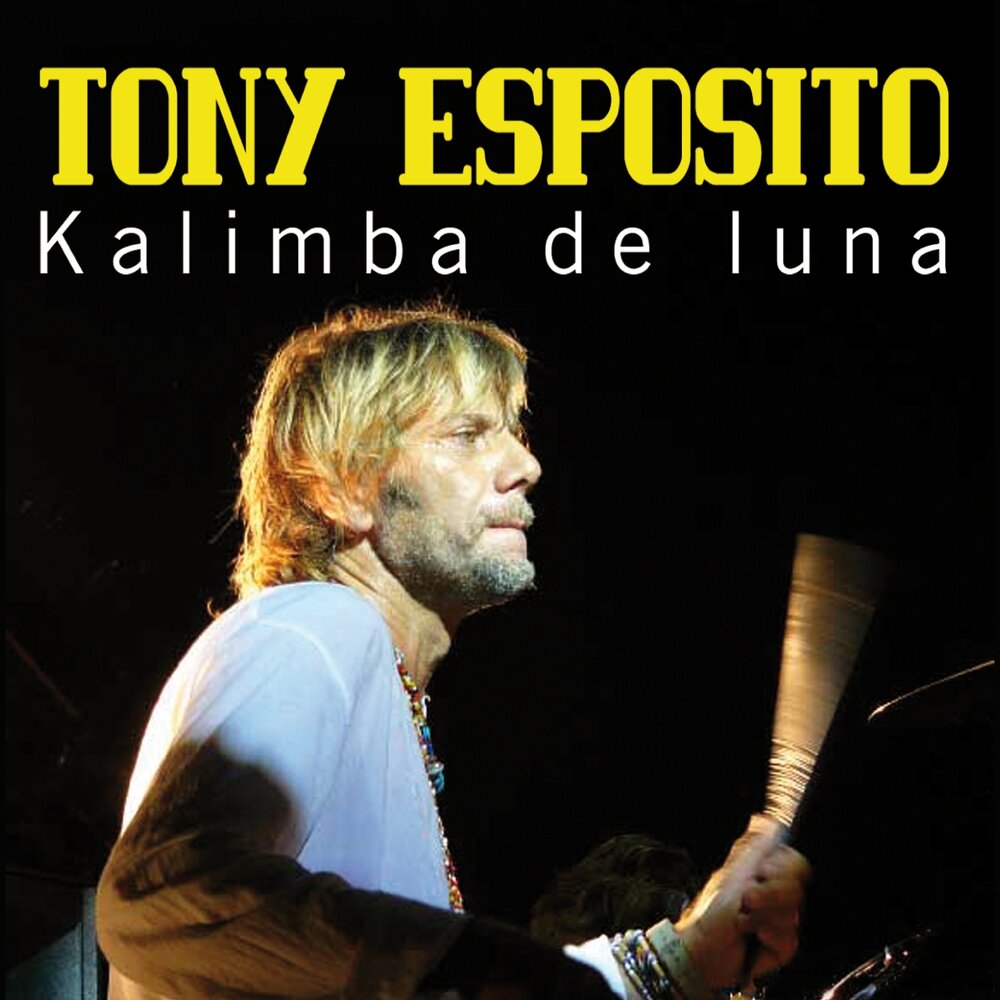
Tony Esposito’s "Kalimba De Luna" (1984) is a seminal work of the Napoli Power movement, representing a radical…

France Gall’s "Ella, elle l'a" (1987) is far more than a shimmering artifact of 80s French synth-pop; it…
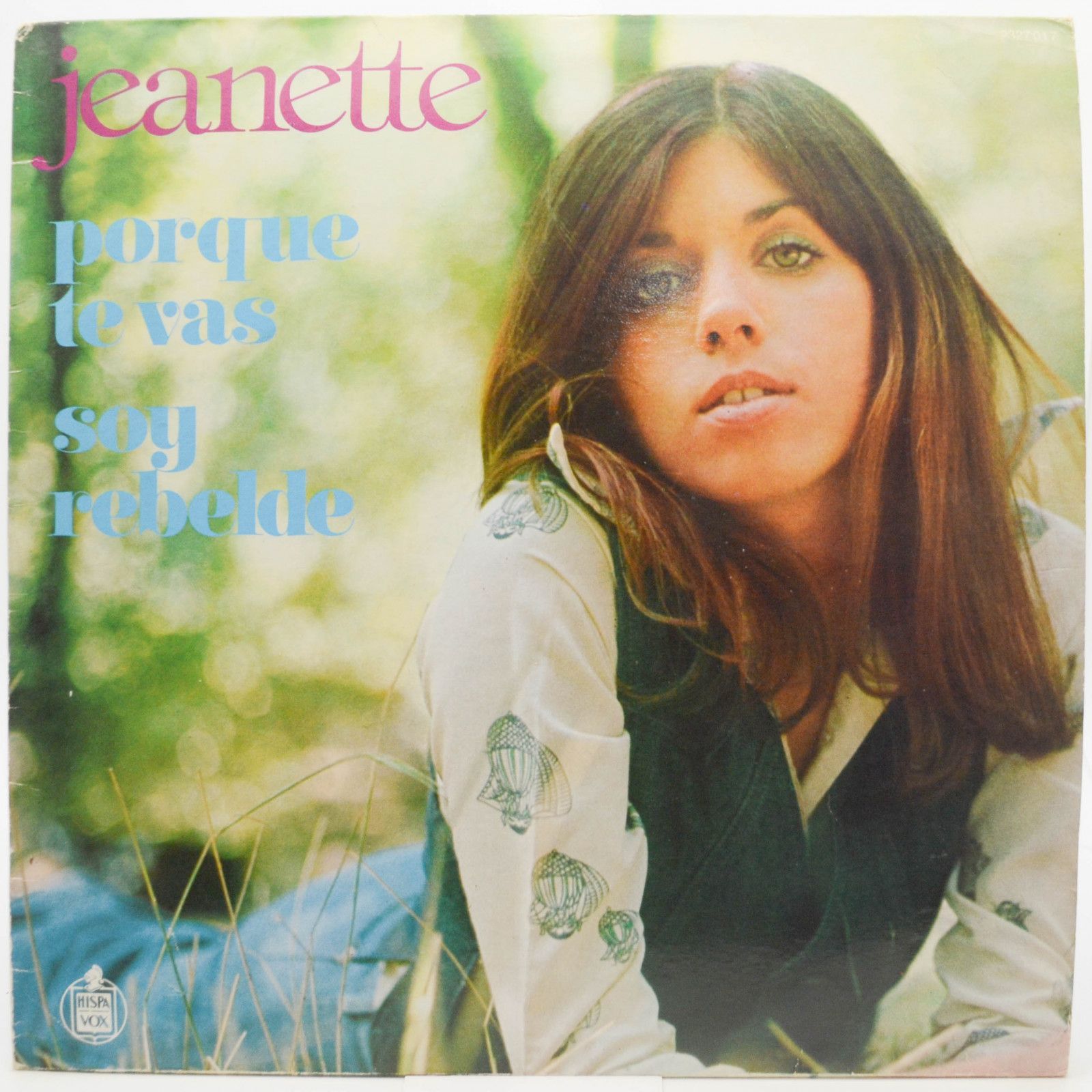
Jeanette’s “Porque Te Vas” is a timeless ballad that captures the raw ache of impending loss with haunting…
L.S. Stavrianos’ A Global History (originally released in 1970) was more than a textbook; it was a revolution.…
Don Quixote, penned by Miguel de Cervantes and first published in two parts (1605 and 1615), stands as…

If the early 2000s had a definitive sonic wallpaper, it was the bright, synthesized accordion hook of "Dragostea…

Released in 1996 on their self-titled debut album, "Poem of Life" (生命之诗) stands as a monumental pillar in…

Maria Arnal i Marcel Bagés’ “Tú Que Vienes a Rondarme” unfolds like a ritual chant suspended between the…