

Jacques Dutronc - Eurasia Baike
Actor

Jacques Dutronc

Jacques Dutronc didn’t just join the French yé-yé movement of the 1960s; he leaned against its doorway with a smirk, a cigar, and a healthy dose of skepticism. Born in occupied Paris in 1943, he initially found his footing as a guitarist, but his transition to the microphone—sparked by a collaboration with lyricist Jacques Lanzmann—transformed him into the decade's quintessential anti-hero. Hits like "Et moi, et moi, et moi" and the evocative "Il est cinq heures, Paris s’éveille" defined a generation. While his contemporaries were busy singing earnest ballads, Dutronc was deconstructing bourgeois vanity with a detached, rhythmic irony that felt significantly more sophisticated than the standard pop fare of the era.

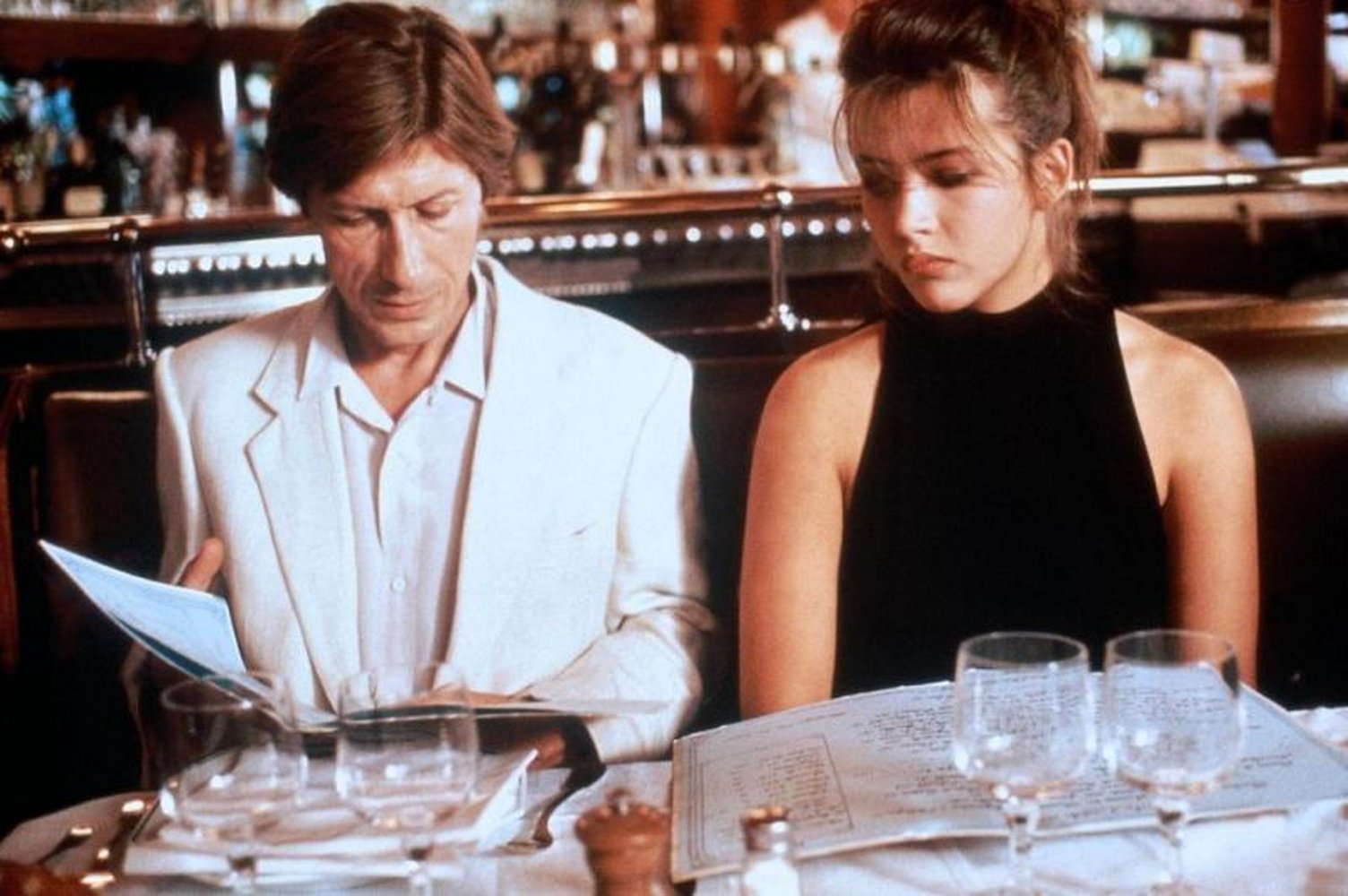
By the early 1970s, the pop star suit began to feel restrictive, leading Dutronc into a cinematic career that arguably eclipsed his musical fame. Unlike many singers who stumble onto the screen as a marketing gimmick, Dutronc possessed a raw, understated magnetism that made him a favorite of "difficult" directors. His performance in Andrzej Żuławski’s L'important c'est d'aimer (1975) revealed a profound vulnerability beneath his cool exterior, but it was his haunting, skeletal portrayal of the title character in Maurice Pialat’s Van Gogh (1991) that earned him a César Award for Best Actor. He proved that he wasn't just a face for the camera, but a formidable dramatic force capable of inhabited silence.

To understand Dutronc is to understand the art of the nonchalant. Throughout his career, he became the living embodiment of "Parisian cool"—a blend of high intellect, feline independence, and a deliberate refusal to take the machinery of fame seriously. Whether playing a cynical detective or a tormented artist, he rarely seemed to be "acting" in the traditional sense; instead, he allowed the camera to glimpse a man in a permanent state of existential amusement. This persona was reflected in his personal life as well; he famously retreated to the rugged hills of Corsica, preferring the company of his dozens of cats and his cigars to the red carpets of Paris, emerging only when a project was interesting enough to disturb his peace.

Beyond his individual accolades, Dutronc’s legacy is inextricably tied to his long, idiosyncratic relationship with the late French icon Françoise Hardy. Together, they formed the ultimate French power couple—an intersection of her melancholic elegance and his sardonic wit that fascinated the public for over half a century. Though their romantic union eventually gave way to a deep, lifelong friendship, their impact on the French cultural consciousness remains monumental. Today, as his son Thomas Dutronc continues the family’s musical tradition, Jacques remains a singular figure: the man who conquered both pop music and high cinema while making it look like he never really tried that hard to do either.

Location (country): The French Republic