

Soviet Music - Eurasia Baike
Tag

Soviet Music

Soviet music refers to the broad spectrum of musical genres, styles, and traditions that developed in the Union of Soviet Socialist Republics between 1922 and 1991. This encompasses classical compositions, folk music, popular songs, opera, ballet music, film scores, military marches, and unofficial underground music movements. Soviet music was characterized by its dual nature: it served as both genuine artistic expression and as a tool of state ideology and propaganda.

The Soviet state exercised significant control over musical production through the Union of Soviet Composers and other official bodies, which promoted socialist realism as the dominant aesthetic doctrine. This meant music was expected to be optimistic, accessible to the masses, and supportive of communist ideals. State-sponsored composers created symphonies, operas, ballets, and patriotic songs that celebrated labor, the revolution, national heroes, and the Soviet way of life. Major composers like Dmitri Shostakovich, Sergei Prokofiev, and Aram Khachaturian navigated these constraints while producing works of international significance.

Folk music held a privileged position in Soviet cultural policy, with state ensembles like the Red Army Choir preserving and promoting traditional songs from various Soviet republics. Popular music included estrada (Soviet pop/variety music), which featured romantic ballads, comedy songs, and light entertainment performed by state-approved artists at concerts and on television.

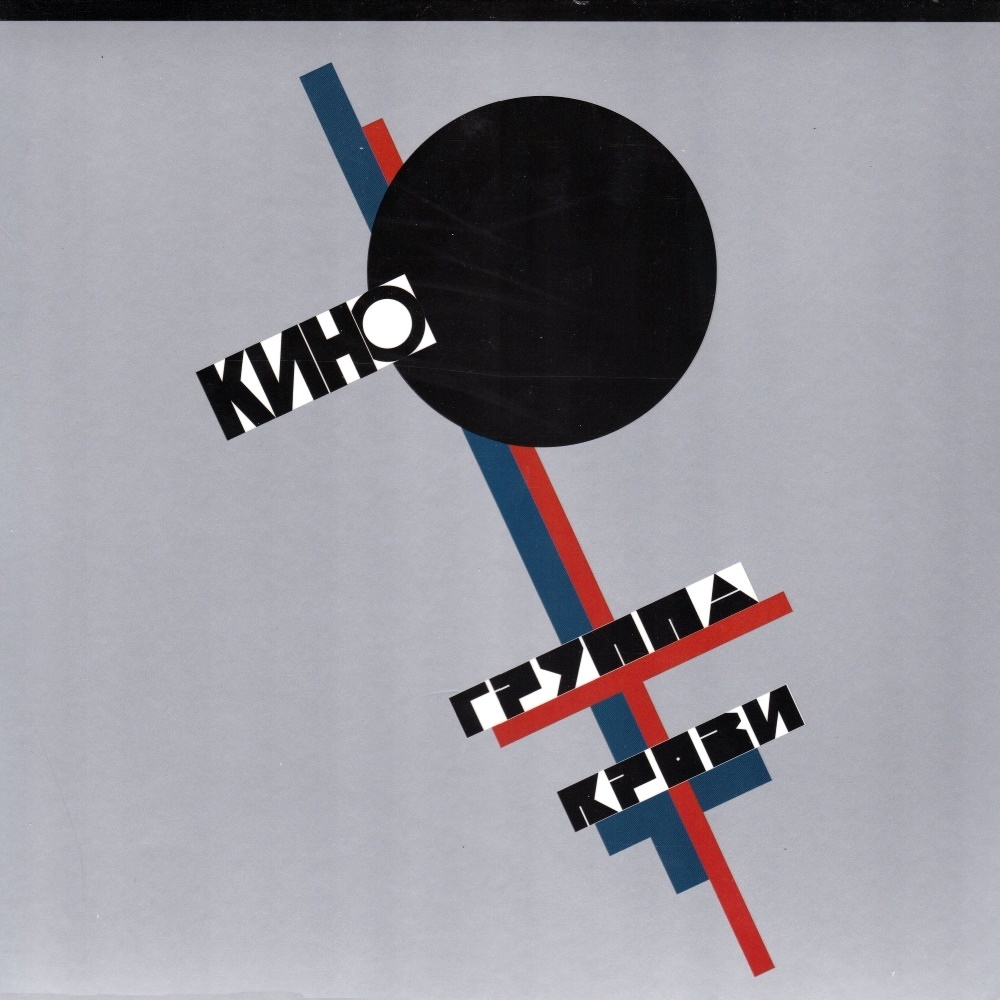
Simultaneously, unofficial music scenes emerged, particularly from the 1960s onward, including bards (author-singers) who performed guitar poetry in private settings, jazz enthusiasts who defied official disapproval, and eventually rock musicians who operated underground. These alternative movements represented spaces for more personal and sometimes subtly subversive expression.

1 articles