

Ladytron - Eurasia Baike
Singer / Music Band

Ladytron

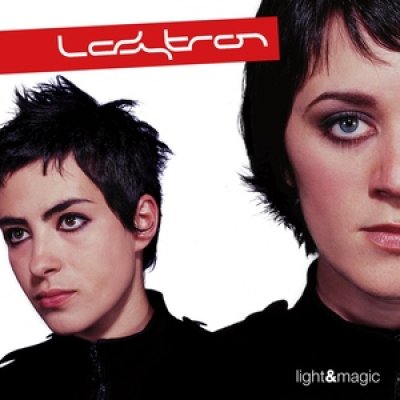
Formed in Liverpool in 1999, Ladytron carved out a distinct niche in the global electronic music scene by blending chilly analog synth-pop with a dark, dystopian edge. The quartet—comprising Scottish lead vocalist Helen Marnie, Bulgarian songwriter Mira Aroyo, and English multi-instrumentalists Daniel Hunt and Reuben Wu—named themselves after a Roxy Music song, signaling their art-school sensibilities and reverence for retro-futurism. Their debut album, 604 (2001), and its critically acclaimed follow-up, Light & Magic (2002), positioned them at the vanguard of the burgeoning electroclash movement. Driven by vintage synthesizers and a detached, deadpan lyrical delivery—exemplified by the underground breakout hit "Seventeen"—the band deliberately rejected the dominant guitar-driven indie rock of the era in favor of a hypnotic, computerized chic.

Sonic Evolution and Peak Influence (2005–2011)

The mid-2000s marked a significant sonic evolution for Ladytron as they transcended the limitations of electroclash to embrace a heavier, more organic, and atmospheric sound. Their third studio album, Witching Hour (2005), is widely considered their creative masterpiece, seamlessly fusing their electronic foundations with wall-of-sound shoegaze guitars and dream-pop textures. The album's flagship single, "Destroy Everything You Touch," became a definitive anthem of the decade's alternative club culture, marrying aggressive basslines with soaring, ethereal melodies. This darker, cinematic trajectory continued through subsequent records like Velocifero (2008) and Gravity the Seducer (2011), solidifying their reputation as master architects of moody electronic soundscapes and earning them high-profile industry respect, including an invitation to write and produce tracks for pop icon Christina Aguilera.

Hiatus, Renaissance, and Lasting Legacy (2011–Present)

Following a deliberate, extended hiatus after 2011—during which the members pursued diverse artistic ventures, including Reuben Wu’s highly successful career in fine-art landscape photography and Helen Marnie’s solo musical projects—Ladytron staged a triumphant return. They reunited for their self-titled album in 2019, proving that their signature blend of haunting melodies and analog grit remained entirely untarnished by time. They further cemented their enduring relevance with the release of Time's Arrow (2023), an album steeped in lush dream-pop optimism juxtaposed against industrial textures. Decades after their inception, Ladytron continues to be celebrated as prophetic pioneers who anticipated the modern synth-wave revival, maintaining a fiercely independent ethos and an unmistakable sonic identity that remains influential across both indie and electronic music.