

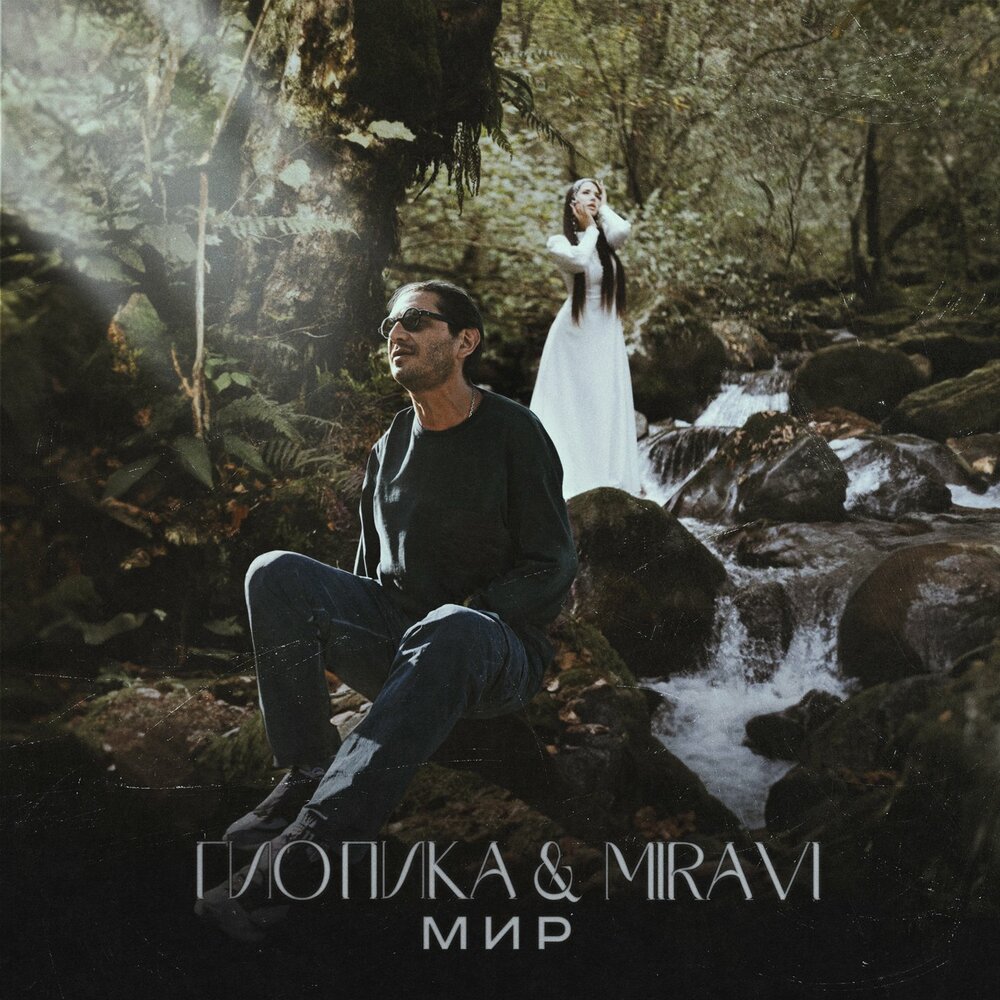
Gio Pika
Georgy Vladimirovich Dzhioev, better known by his stage name Gio Pika, was born on May 8, 1978, in Tbilisi (Georgian SSR, USSR). He is of Ossetian descent. Growing up in a musical family, he attended a music school from an early age, studying vocals, and also practiced sports wrestling.
The family was forced to leave Georgia due to the Georgian‑South Ossetian conflict, first relocating to North Ossetia and later to Moscow. Georgy’s adolescence was marked by a struggle with drug addiction; at the age of 14, he survived a drug overdose. This critical event prompted him to eventually quit drugs at 20, recognizing the destructive path his life was taking.
After high school, he pursued medical education and worked for over a decade in healthcare—as a nurse, paramedic, and anesthesiologist—before fully committing to music.
Musical Career
Gio Pika began his music career in 2008 with the track «Syktyvkar Quarters». His breakthrough came in 2016 with the release of the «North Collection» (a four‑part series), particularly the song «Fountain with a Dolphin», which brought him widespread recognition.
From 2017 to 2026, he released several albums, among which:
- Blue Stones (Синиекамни)
- Memento Mori (with TRUEтень)
- BLATOSPHERA (Мацони)
Key milestones in recent years:
2023: Released the album «17 Moments of Autumn» with Kravts, named one of the top 15 albums of the year by Zvuk.Media. Won «Feat of the Year» at VK Music Awards for the song «Where You Passed» (with Kravts) and received an award for 100 million streams on VK.
2024: Nominated for MUZ‑TV Awards in three categories («Best Collaboration», «Best Song», «Breakthrough of the Year») and for the «Victoria» Russian National Music Award in the «Hip‑Hop Artist of the Year» category.
November 29, 2024: Released the joint album «Pistachio» with rapper Slovetsky.
Artistic Style and Personal Life
Critics describe Gio Pika’s music as «urban rap», blending elements of jungle and dark jazz. Fans often refer to his style as «yard шансон», reflecting its folk roots and street aesthetics. The artist himself defines his genre as «Russian prison literature», drawing on themes of street life, survival, and moral dilemmas.
Gio Pika’s artistic journey reflects a powerful transformation—from personal struggles to professional success—making him a distinctive voice in Russian hip‑hop and urban music.
