

Introduction: The Death and Rebirth of the Norwegian Electronic Pioneers
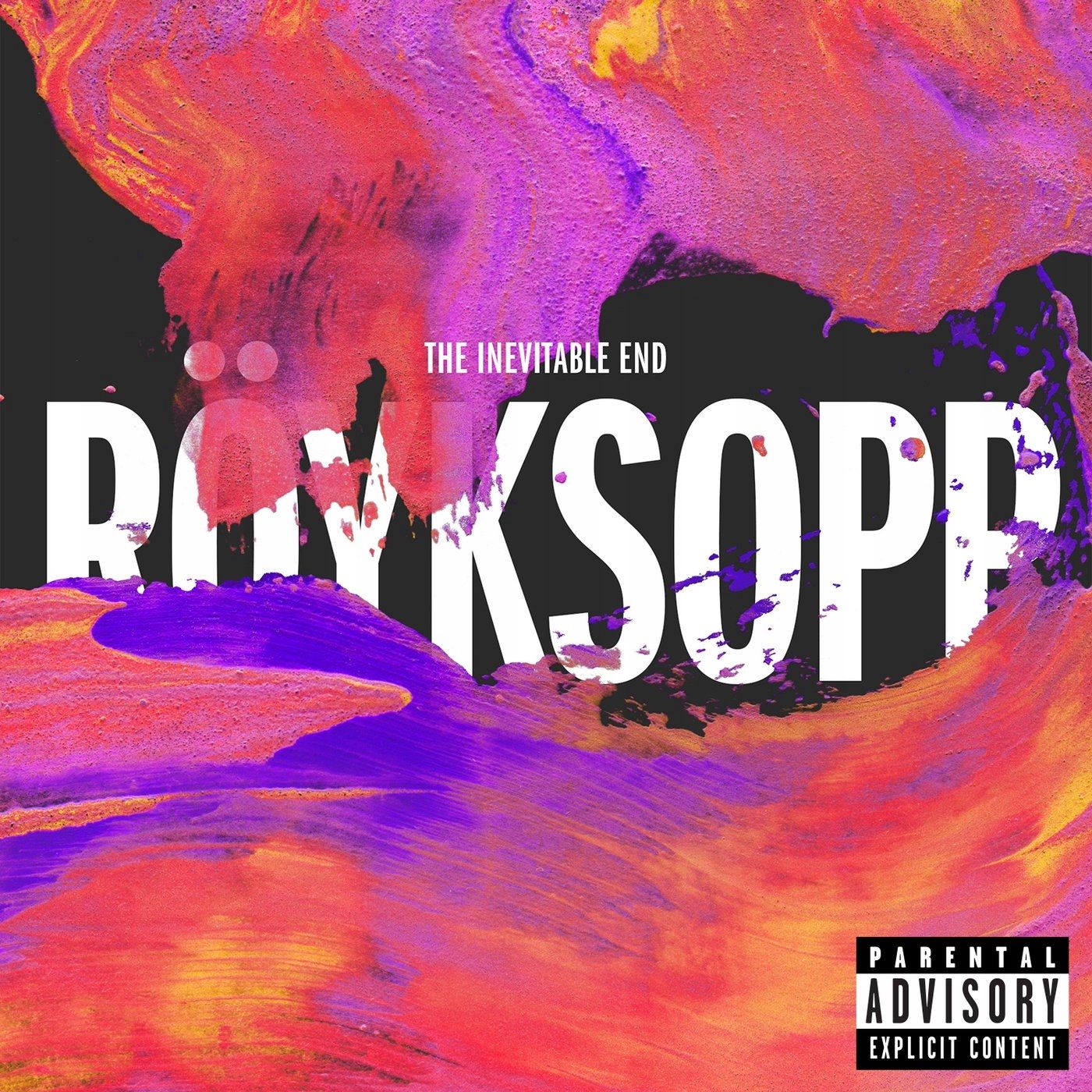
In the late autumn of 2014, the legendary Norwegian electronic duo Röyksopp—composed of Svein Berge and Torbjørn Brundtland—issued a statement that sent shockwaves through the global electronic music community. They announced that their fifth studio album, The Inevitable End, would be their final foray into the traditional LP format (which it ended up not being the final foray). For a group that had spent nearly two decades defining the lush, cinematic boundaries of downtempo and synth-pop, this wasn’t merely a marketing gimmick; it was a profound creative pivot. The duo sought to break free from the constraints of album cycles and deliver a parting gift that was unapologetically dark, deeply introspective, and structurally uncompromising.
Positioned as the opening track of this monumental farewell, “Skulls” acts as the definitive gateway into the album’s bleak, neon-lit underworld. If earlier Röyksopp classics like “Eple” or “Poor Leno” felt like a gentle sunrise over the misty fjords of Tromsø, “Skulls” is the pitch-black polar night that follows. It is a menacing, high-octane invitation into an esoteric fraternity, blending elements of classic synth-pop, aggressive industrial techno, and the brooding atmosphere of Nordic Gothic literature.
“Skulls” represents a crucial intersection where cold Western production technology collides with the deep-seated, folkloric mysticism that runs through the northern spine of the continent. It is a song that doesn’t merely ask for the listener’s attention; it demands complete psychological surrender.
Lyrical Architecture: The Cult of the Night and the Illusion of Salvation
On paper, the lyrics to “Skulls” read like a ritualistic chant or the recruitment manifesto of an underground cult. The text operates entirely on a system of repetition, using hypnotic loops to wear down the listener’s defenses and induce a state of trance.
If you want to ride with us tonight
If you want to ride with us tonight
If you want to ride with us tonight
We will be the hands that lift you up and
We will be the hands that hold you high
We will make you say our name forever
We will make you want another try
If you wanna ride skulls
The Anatomy of the Invitation
The opening triadic repetition—“If you want to ride with us tonight”—establishes an immediate “Us versus Them” dynamic. The narrator speaks from a collective standpoint (“We”), representing an enigmatic entity that promises absolute transcendence. The use of the word “ride” is intentionally ambiguous. It evokes images of a nocturnal drive through desolate northern landscapes, a drug-induced trip, or a psychological journey into the subconscious.
When the track introduces its core thesis—“If you wanna ride skulls”—the metaphor becomes explicitly macabre. To “ride skulls” implies a confrontation with mortality, a dance with the dead, or an initiation into a secret society where the skull is the ultimate badge of entry.
The Contrast of Benevolence and Terror
The second stanza expands on this Faustian bargain, beautifully illustrating the terrifying duality of absolute devotion:
We will be the life you always wanted
We will be desire in your blood
We will be the answer you desire
We will be salvation in the flood
We will be the hands that make you wonder
We will be the hands that strike you down
We will make you scream our name forever
We will make you go another round
If you wanna ride
Röyksopp masterfully balances promises of ultimate ecstasy with threats of violent destruction. The entity promises to be “the life you always wanted,” “desire,” and “salvation in the flood.” These are deeply religious, messianic images. However, this benevolence instantly curdles into violence: the same hands that lift you high are the “hands that strike you down,” and the act of saying the name transforms into being forced to “scream our name forever.”
This lyric captures the psychological reality of addiction, fanaticism, and toxic devotion. It portrays a power structure that strips away individual agency in exchange for a fleeting taste of the extraordinary.
Sonic Topography: The Machinery of the Shadows
Musically, “Skulls” is a masterclass in synthetic world-building. Berge and Brundtland have always been obsessive collectors of vintage analog gear, and on this track, they push their machinery to its absolute limits, creating a claustrophobic yet massive wall of sound.
The Vocoder as a Narrative Tool
The defining element of “Skulls” is its vocal processing. Instead of utilizing a guest vocalist—as they famously did with Robyn, Karin Dreijer, or Susanne Sundfør—Röyksopp uses heavily processed, pitch-shifted vocoder vocals performed by the duo themselves.
The voice is artificially dropped into a low, guttural, non-human register. It sounds mechanized, ancient, and demonic. By stripping away the warmth of natural human inflections, the vocoder turns the lyrics into an objective, unfeeling transmission from an artificial intelligence or a folklore entity. It is the sound of the machine talking back to the creator.
The Instrumentation and Rhythmic Engine
The track kicks off with a raw, buzzing analog synthesizer bassline that feels incredibly tactile—it moves with a jagged, square-wave friction that mimics the mechanical revving of an engine.
- The Bassline: A continuous, driving 16th-note sequence that rarely shifts keys, creating a sense of inescapable, forward-moving momentum.
- The Percussion: Eschewing the soft, organic percussion of their downtempo eras, Röyksopp utilizes a hard-hitting, industrial four-on-the-floor kick drum, complemented by metallic, sharp hi-hats that slice through the mix like ice.
- The Counter-Melody: As the song progresses into its later halves, soaring, melancholic synth pads emerge in the background. This is a classic Röyksopp signature—introducing a beautiful, crying melody over an aggressive rhythm, ensuring that even in the midst of terror, there is a profound sense of heartbreak.
The Cinematic Gothic of the Visual Companion
To truly understand the weight of “Skulls,” one must view it through its official music video, directed by the long-time Röyksopp collaborator Stian Andersen. Shot entirely in stark, high-contrast black and white in a secluded cabin in rural Norway, the video functions as a short folk-horror film.
The visuals feature Svein and Torbjørn dressed in surreal, avian-inspired post-apocalyptic gear, carrying strange electronic talismans into a dark basement. They are accompanied by an elderly, frail man who seems to be undergoing a ritualistic transition.
The video bridges the gap between old-world European paganism and modern techno-futurism. The dark woods, the heavy winter coats, the flickering fluorescent lights, and the ominous skulls scattered across the floor mirror the song’s sonic architecture perfectly. It implies that modern electronic music is simply a new way of conducting ancient, nocturnal rituals. The cabin isn’t just a building; it is a laboratory where technology is used to summon the spirits of the north.
Cultural Resonance and the Legacy of The Inevitable End
| Aesthetic Element | Manifestation in “Skulls” | Cultural/Historical Parallel |
| Vocal Style | Low-pitched, robotic vocoder chant | Kraftwerk’s The Mix / Early EBM |
| Lyrical Theme | Ritualistic surrender, dark devotion | Folk-horror tales / Faustian bargains |
| Sonic Vibe | Heavy, industrial analog synth-pop | Depeche Mode’s Black Celebration era |
| Visual Motif | Black & white, rural isolation, skulls | Nordic Noir / Black Metal aesthetics |
Within the broader context of Eurasian music, “Skulls” stands as a monumental achievement in electronic music preservation and evolution. It takes the blueprint laid down by German electronic pioneers like Kraftwerk and DAF, infuses it with the dark synth-pop sensibilities of 1980s Britain (such as Depeche Mode), and filters it through a distinctly bleak, Scandinavian worldview.
By naming the track “Skulls” and kicking off their final album with it, Röyksopp performed a symbolic autopsy on their own identity as an album-era band. The song acts as a monument to the beauty of the end. It reminds us that electronic music doesn’t always have to belong to the sweaty, crowded dancefloors of Ibiza or Berlin; it can also belong to the cold, lonely spaces of the mind, where the shadows are long, the synthesizers are loud, and the invitation to ride into the night is entirely impossible to resist.
Lyrics / Versuri
🎵 Original
If you want to ride with us tonight
If you want to ride with us tonight
We will be the hands that lift you up and
We will be the hands that hold you high
We will make you say our name forever
We will make you want another try
If you wanna ride skulls
If you want to ride with us tonight
If you want to ride with us tonight
We will be the life you always wanted
We will be desire in your blood
We will be the answer you desire
We will be salvation in the flood
We will be the hands that make you wonder
We will be the hands that strike you down
We will make you scream our name forever
We will make you go another round
If you wanna ride