

Wuxia movies - Eurasia Baike
Genre

Wuxia movies

A Wuxia (武侠) genre movie is a type of Chinese-language film that focuses on the adventures of martial artists in ancient or mythical China. The word "Wuxia" literally means "martial heroes" — wu (武) means martial or military, and xia (侠) refers to a chivalrous person or wandering knight.
Key Characteristics of Wuxia Films:

Martial Arts with Supernatural Flair: Characters often possess near-superhuman abilities, like flying through the air (called "qinggong"), walking on water, or deflecting blades. The fight scenes are usually stylized, elegant, and often choreographed like dances.

Ancient Chinese Setting: Most Wuxia films are set in imperial China or a mythologized historical period, full of bamboo forests, temples, mountain ranges, and tea houses.

Wandering Heroes and Personal Codes: The protagonists are often lone swordsmen or swordswomen, rebels, or outlaws who live outside mainstream society but uphold their own moral codes of justice, loyalty, and honor.

Themes of Justice and Betrayal: Wuxia stories often explore righteousness, revenge, loyalty, betrayal, and tragic love, with heroes fighting corrupt officials, evil sects, or personal enemies.

Philosophical and Poetic Tone: Unlike Hollywood action films, Wuxia movies often have a philosophical undertone, exploring themes of fate, loss, or the futility of vengeance.

Famous Wuxia Films:

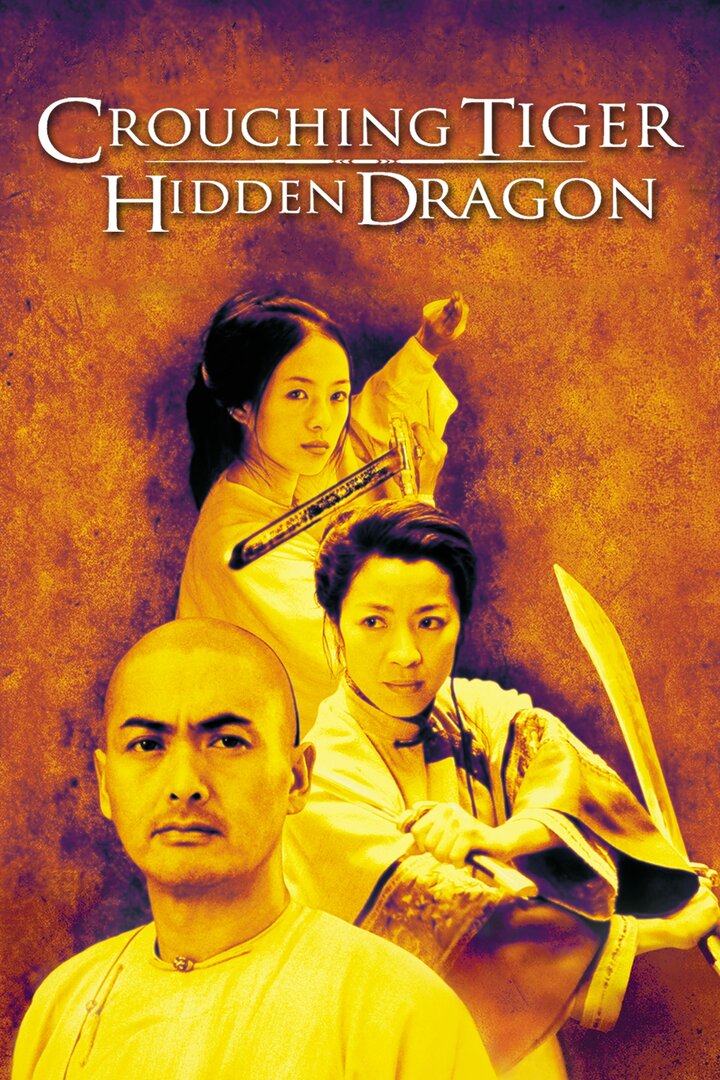
  • Crouching Tiger, Hidden Dragon (2000) – by Ang Lee
  • Hero (2002) – by Zhang Yimou
  • House of Flying Daggers (2004) – also by Zhang Yimou
  • Ashes of Time (1994) – by Wong Kar-wai
  • The One-Armed Swordsman (1967) – classic Shaw Brothers film

Not to be Confused With:

  • Kung Fu films, which focus more on realistic hand-to-hand combat and modern or urban settings.
  • Xianxia (仙侠), a fantasy subgenre involving immortals, magic, and mythical beasts, often based on Taoist or Buddhist cosmology.