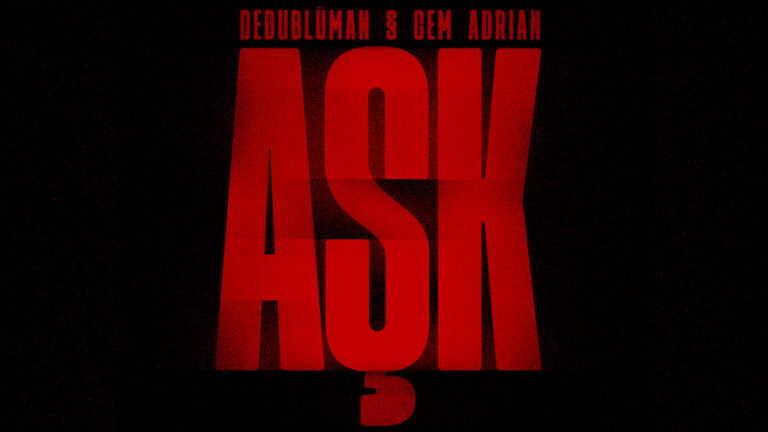

Turkish Pop-Rock Music
Turkish Pop-Rock is less of a genre and more of a high-speed collision between the dusty roads of Anatolia and the neon lights of global rock culture. It all kicked off in the 1960s with "Anatolian Rock," a psychedelic movement where legendary figures like Barış Manço and Erkin Koray decided that the electric guitar and the traditional bağlama (long-necked lute) were actually long-lost soulmates. This era wasn't just about imitation; it was a radical reimagining of Turkish folk melodies through the lens of heavy riffs and cosmic synthesizers, creating a sound that was as politically charged as it was musically inventive.
As the decades rolled on, the sound matured into the polished, chart-topping Pop-Rock that dominated the 1990s and early 2000s. This period saw the rise of bands like Mor ve Ötesi, Athena, and MaNga, who managed to keep a gritty rock edge while embracing the catchy, melodic sensibilities of Mediterranean pop. It was a time when the angst of urban youth found its voice in distorted guitars, yet never quite lost that distinctive Turkish hüzün—a deep, poetic melancholy that lingers even in the most upbeat tracks.
Fast forward to 2026, and the scene is experiencing a massive global renaissance. Bands like Altın Gün (who we recently discussed) are taking the world by storm, proving that the vintage psychedelic sounds of the 70s have a timeless, universal cool. Meanwhile, the underground scenes in Istanbul and Ankara remain vibrant laboratories, blending indie-rock sensibilities with traditional motifs. Whether it’s through the haunting dark wave of She Past Away or the stadium anthems of modern stars, Turkish music continues to prove that borders are meant to be crossed.
Ultimately, the magic of Turkish Pop-Rock lies in its refusal to pick a side. It thrives in the "in-between" space, balancing the ancient and the avant-garde. For the listener, it offers a window into the Turkish soul—one that is fiercely proud of its heritage but always looking toward the horizon. It’s a genre that doesn’t just ask you to listen; it invites you to experience a centuries-old story told through a modern, electric roar.
2025
2024