书籍 Book

1966

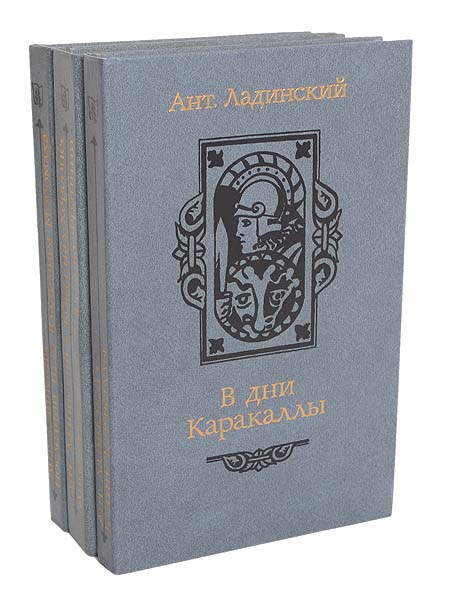
The Ladinsky Trilogy
The Ladinsky Trilogy 15 Feb 2026

Ladinsky’s trilogy is a sweeping tapestry of the 10th and 11th centuries, a period when Kievan Rus was not an isolated frontier but a central player in the European and Byzantine power structure. Unlike the gritty, military focus of Valentin Ivanov, Ladinsky writes with the eye of a poet and a diplomat. His prose is rich with sensory detail—the scent of incense in Constantinople, the cold damp of a Parisian stone castle, and the shimmering gold of the Kievan courts.

1965

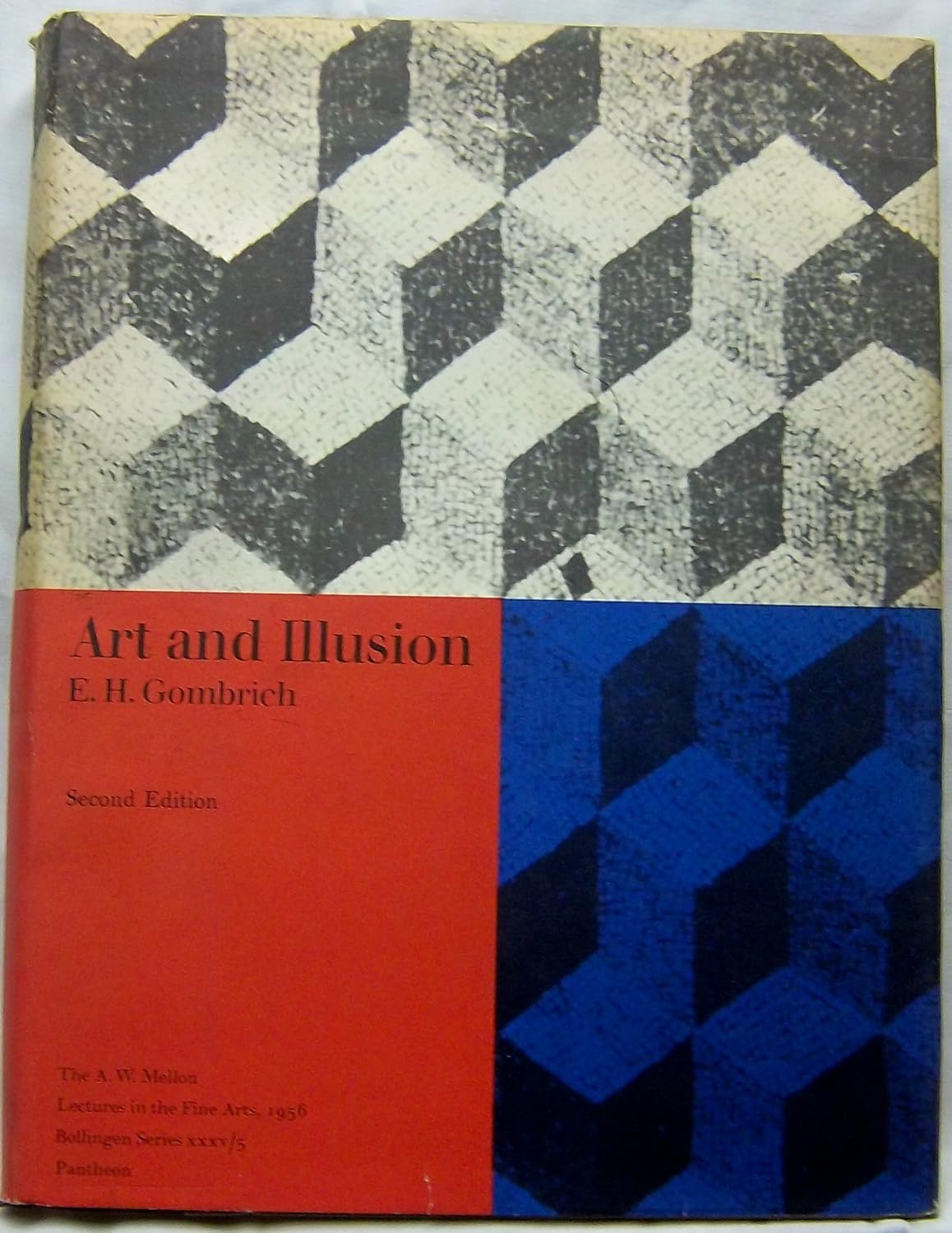
Art and Illusion: A Study in the Psychology of Pictorial Representation
Art and Illusion: A Study in the Psychology of Pictorial Representation 9 Apr 2026

First published in 1960 and based on the A.W. Mellon Lectures in the Fine Arts, Art and Illusion is arguably E.H. Gombrich’s most influential theoretical work. While The Story of Art provided a chronological narrative, this book seeks to answer a deeper psychological question: Why does art have a history? Gombrich explores why it took centuries for humanity to master realistic representation and why different cultures developed such vastly different visual styles.

1961

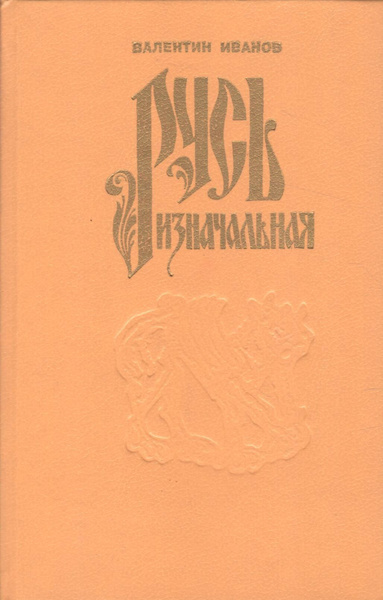
Rus of Old
Rus of Old 15 Feb 2026

Valentin Ivanov’s Rus of Old is a cinematic, high-stakes reimagining of the 6th century, a time when the Slavic tribes—then known as the Antes—were emerging as a formidable force on the fringes of the dying Roman world. Unlike the Primary Chronicle, which begins with the Rurikids, Ivanov goes deeper into the “primordial” past.

1956

The Nude: A Study in Ideal Form
The Nude: A Study in Ideal Form 12 Apr 2026

When Kenneth Clark published The Nude: A Study in Ideal Form in 1956, he transformed a series of lectures delivered at the National Gallery of Art, Washington into what would become one of the most influential studies of the human figure in Western art . The book emerged from his 1953 A.W. Mellon Lectures, and […]

1955

Meaning in the Visual Arts
Meaning in the Visual Arts 14 Apr 2026

Meaning in the Visual Arts serves as the definitive introduction to Panofsky’s methodological rigour. This collection of essays acts as a manifesto for the “iconological” approach, moving beyond simple visual description into the deeper intellectual history of an object.

1952

Young Russia
Young Russia 18 Feb 2026

Yuri German’s Young Russia is a monumental epic that captures the tectonic shift of a nation dragging itself out of medieval isolation and onto the high seas. While Peter the Great is the ideological engine of the novel, the true “protagonists” are the people of the Russian North—the sailors, shipbuilders, and soldiers of Arkhangelsk.

1950

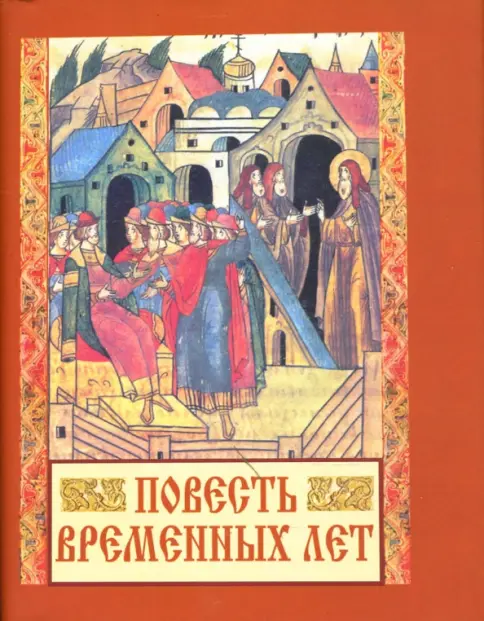
The Primary Chronicle
The Primary Chronicle 15 Feb 2026

The Primary Chronicle (or Tale of Bygone Years) is not just a book; it is the “Genesis” of the East Slavic world. In this specific edition, the translation by Dmitry Likhachev—the 20th century’s preeminent scholar of Old Russian literature—acts as a bridge over a thousand-year gap. Likhachev and Dmitriev manage to preserve the rhythmic, almost […]

The Story of Art
The Story of Art 9 Apr 2026

The Story of Art (1950) by E. H. Gombrich is one of the most widely read introductions to Western art history ever written. First published when Gombrich was in his early forties, the book was designed above all to be accessible to general readers, including young people, without sacrificing scholarly depth. From its first pages, […]

1949

The Warriors
The Warriors 16 Feb 2026

Alexei Yugov’s The Warriors is an epic diptych that functions as a masterclass in geopolitical survival. Written and finalized during and immediately after World War II, the novel is charged with a palpable sense of patriotic urgency. It tells the story of two titans of the 13th century: Prince Daniil of Galicia and Prince Alexander Nevsky.

1942

The Stranger
The Stranger 19 May 1942

Albert Camus’ The Stranger is a haunting existential masterpiece. Follow Meursault’s detached journey from indifference to murder, confronting society’s moral scripts. A stark, unflinching critique of meaning in an indifferent world—a must-read for those daring to question humanity’s fragile truths.