

Peter Frankopan
Peter Frankopan is a distinguished British historian, Senior Research Fellow at Worcester College, Oxford, and Director of the Oxford Centre for Byzantine Research. Renowned for his innovative approach to global history, Frankopan has redefined traditional narratives by centering the Silk Roads—ancient trade routes spanning Asia, the Middle East, and Europe—as the focal point of civilizational development. His seminal work, The Silk Roads: A New History of the World (2015), has been translated into over 30 languages and praised by China Daily for its "groundbreaking reevaluation of global history," which challenges Eurocentric perspectives by emphasizing the interconnectedness of cultures through trade, religion, and conflict.
Frankopan’s scholarship bridges Eastern and Western histories, exploring themes such as the spread of religions (Christianity, Islam, Buddhism), the rise and fall of empires (Byzantine, Mongol, Ottoman), and the environmental and economic forces shaping civilizations. His analysis of the Silk Roads as a "crucible of globalization" predates modern phenomena, demonstrating how ideas, technologies, and pathogens traversed continents centuries before the Age of Exploration. In The New Silk Roads: The Present and Future of the World (2018), he extends this framework to contemporary geopolitics, examining China’s Belt and Road Initiative and the shifting balance of global power along historic trade corridors, a perspective that has garnered attention in Russian media such as Kommersant for its insights into Eurasian integration.
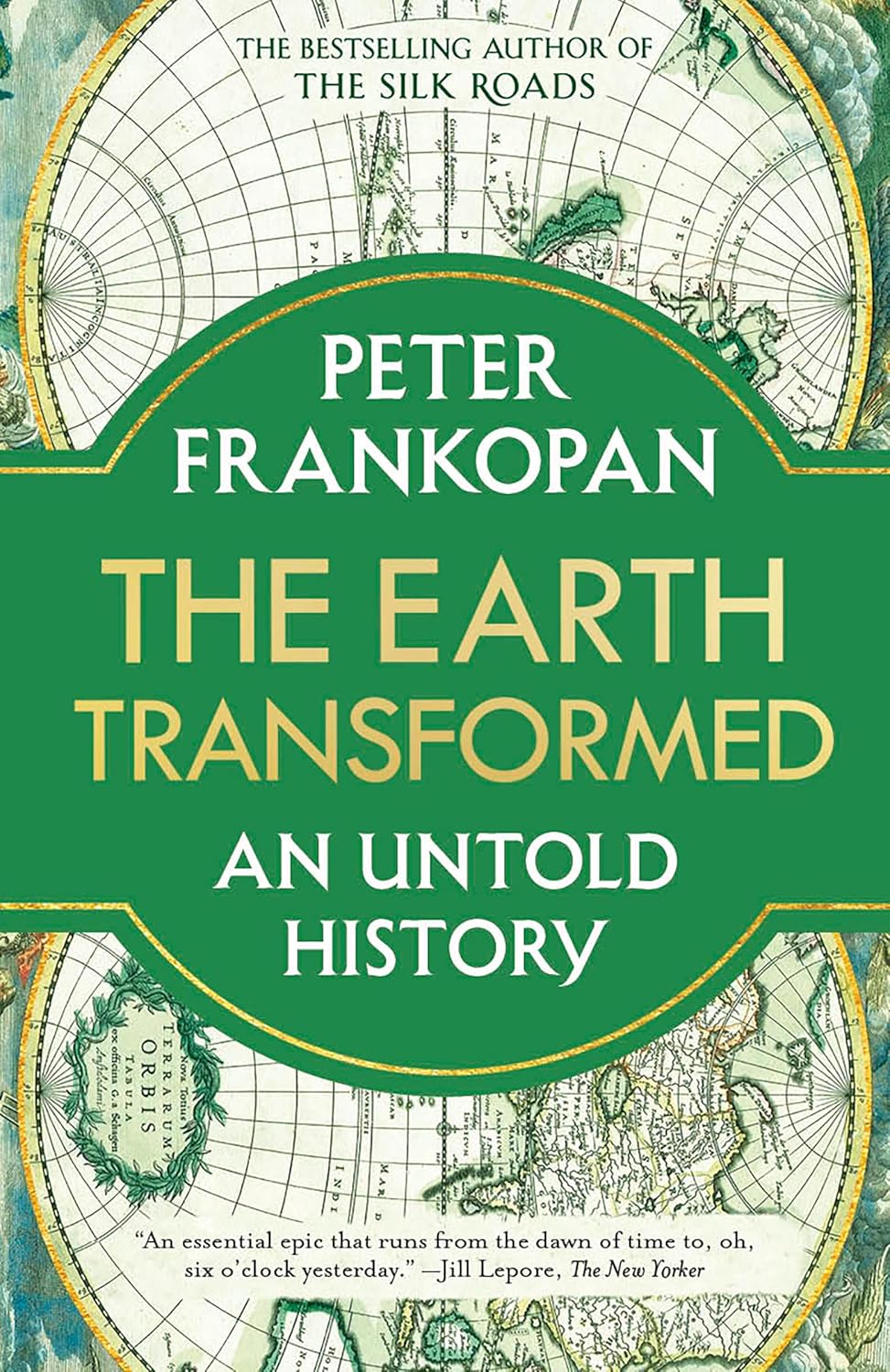
A prolific author and public intellectual, Frankopan’s works have earned international acclaim, including the British Academy’s Nayef Al-Rodhan Prize for Global Cultural Understanding. His interdisciplinary approach incorporates archaeology, numismatics, and environmental history, as seen in studies like The Earth Transformed: How Climate Change Shaped Human History (2023), which traces climate’s role in societal collapse and resilience. Beyond academia, he advises governments and multilateral institutions on issues ranging from sustainable development to cultural heritage preservation, reflecting his commitment to bridging historical insight with modern policy.
Frankopan’s legacy lies in his ability to render complex historical forces accessible while provoking debate about humanity’s interconnected past and future. By reframing the Silk Roads as a dynamic network rather than a static route, he has inspired a generation of scholars to view history through a lens of global exchange, underscoring the enduring relevance of Eurasia’s historic crossroads in an era of resurgent nationalism and climate crisis. His work continues to be discussed in both Chinese and Russian intellectual circles as a model for transnational historical analysis.
2023
