

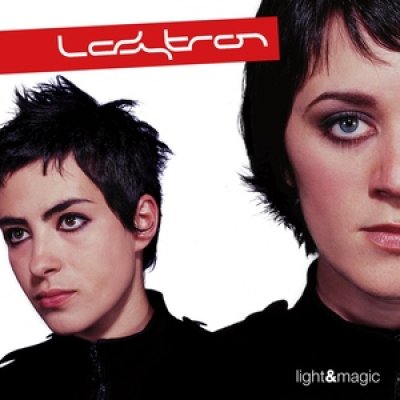
Released at the dawn of the millennium on their seminal 2002 album Light & Magic, “Seventeen” by the Liverpool electronic band Ladytron remains the definitive crown jewel of the electroclash movement. While the early 2000s alternative scene was often preoccupied with style over substance, Ladytron managed to deliver a track that was effortlessly chic yet razor-sharp in its cultural critique. The song serves as a frosty, synthesized mirror held up to a shallow society, packaging a bleak truth into an irresistible, deadpan dancefloor anthem.
Lyrically, “Seventeen” relies on a brilliant, minimalist repetition that mimics the mechanical nature of the very industry it criticizes. By laying bare the brutal timeline of the modeling and entertainment worlds—where a person is a commodity at seventeen and completely obsolete by twenty-one—the song captures the sheer transactional nature of modern fame. The lines “They take a polaroid and let you go / Say they’ll let you know” perfectly encapsulate the cold, assembly-line processing of human youth, reducing a person’s entire identity to a disposable piece of film.
We only want you when you’re seventeen / When you’re twenty-one, you’re not fun.
The sonic landscape of the track is built entirely on ice and steel. Ladytron utilizes buzzing analog synthesizers and a relentless, ticking drum machine pattern that feels like a literal countdown timer for the listener’s societal relevance. The vocals are delivered in a detached, robotic monotone that intentionally strips away any traditional pop warmth or emotional sentimentality. This deadpan performance is a stroke of genius; it forces the audience to dance to a stark indictment, making the haunting message sink in through a hypnotic, looping rhythm.
Within the broader Eurasia Mosaic of electronic music history, “Seventeen” acts as a vital bridge connecting the dystopian new wave of 1980s pioneers like Kraftwerk and The Human League to the gritty indie-sleaze era of the 21st century. It stripped away the euphoric optimism of late-90s dance music and replaced it with a sleek, continental alienation. The track proved that electronic music could be intellectual, fashionable, and deeply unsettling all at once, finding a home on both high-fashion runways and in smoky underground bunkers across Europe.
Ultimately, “Seventeen” is a timeless masterpiece of dark synth-pop that has lost none of its bite. It is a rare pop song that functions simultaneously as a brilliant club track and a chilling sociological warning about the shelf-life of youth under hyper-consumerism. By the time the song shifts its perspective in the final lines from a distant “They” to a haunting, collective “We only want you,” Ladytron brilliantly implicates everyone—including the listener—in the endless cycle of consuming and discarding the next big thing.