


“Перевал Дятлов” is a historical thriller based on the real events of 1959, when a group of young hikers mysteriously disappeared in the Ural Mountains. The series, directed by Yevgeny Nikishov, explores a fictionalized version of the events, combining elements of psychological drama, horror, and conspiracy. It premiered on November 16, 2020, and stars Pyotr Feodorov (as Igor Dyatlov), Evgenia Malakhova (Tania), and Igor Petrenko (KGB officer Egorov).
The series’ theme revolves around tragedy and adds supernatural or scientific elements that could have caused the tragedy. The dark style, tense atmosphere, and non-linear flashbacks create a captivating story. The series attracts not only with its suspense, but also with the reconstruction of two eras and the depth of the characters.
“The Dyatlov Pass | Перевал Дятлова” is a Russian series that manages to bring to the forefront one of the most enigmatic tragedies in Soviet history. Based on the real events of 1959, when nine experienced tourists died under mysterious circumstances in the Ural Mountains, the production combines elements of thriller, historical drama and investigation to explore possible explanations for this tragedy that continues to fascinate and puzzle audiences today, while recreating the atmosphere of the era.
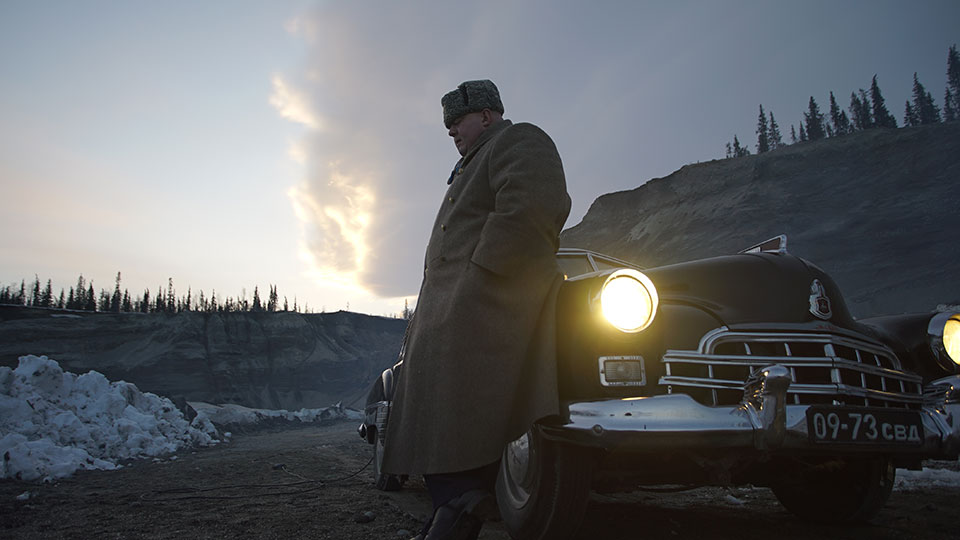
The series excels in its attention to historical detail. The meticulous reconstruction of the Soviet Union in the 1950s is impressive – from the costumes, interior settings to the general atmosphere of the late Stalinist period. This socio-political dimension adds depth to the narrative and helps to contextualize the events in an authentic historical setting.

The cast deserves praise for their nuanced and convincing performances. The actors manage to bring to life the characters inspired by real figures, giving them complexity and credibility. The main protagonist, a KGB investigator sent to discover the truth behind the tragedy, is masterfully portrayed, illustrating the inner conflict of a man caught between professional duty and moral conscience. The chemistry between the actors and the dynamics of the relationships between the characters contribute significantly to the narrative tension and the emotional involvement of the viewer.
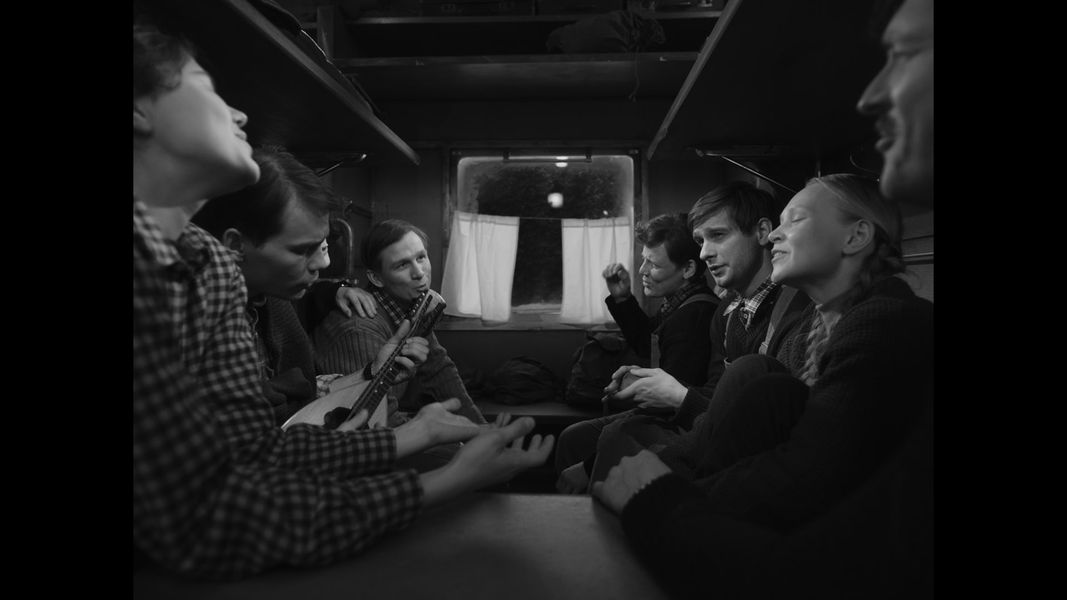
The series’ cinematography is remarkable, with disturbing images of the snowy mountain landscape that almost becomes a character in itself. The contrast between the wild beauty of nature and the unfolding human tragedy is captured through impressive frames and a masterful use of natural light. The scenes of the reconstruction of the original expedition are filmed with an intensity that perfectly conveys both the initial enthusiasm of the group and the growing terror as their fatal destiny becomes inevitable.
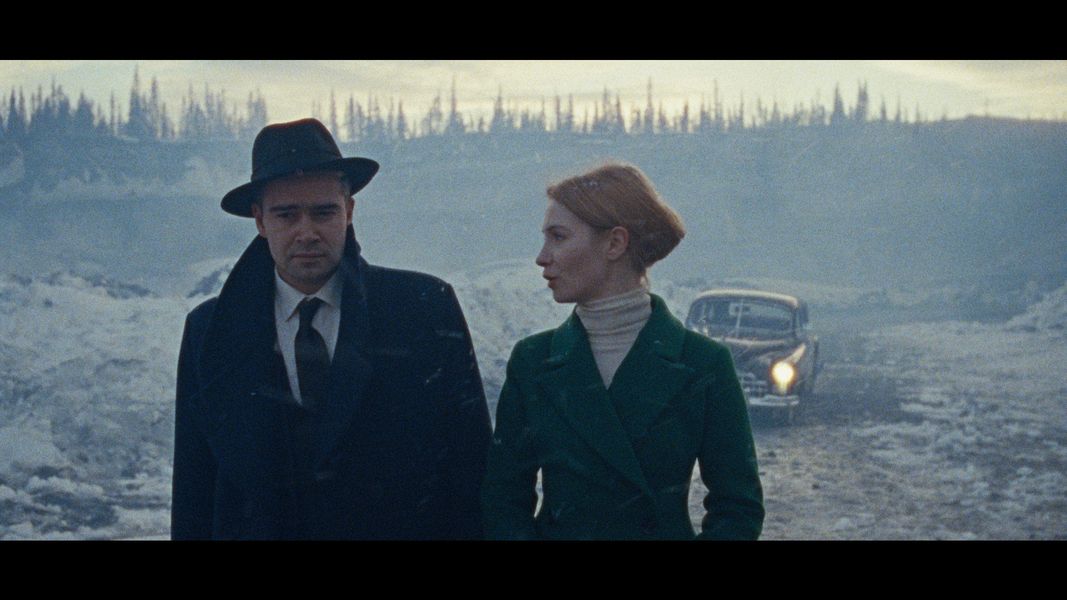
From a narrative perspective, the series adopts an ingenious nonlinear structure, alternating between three temporal planes: the expedition, presented in black and white; the investigation, which constitutes the main narrative thread and takes place immediately after the accident; and episodes from the Second World War, which provide context for some of the protagonists involved in the events of the tragedy. This approach allows for a complex exploration of the case and maintains suspense, revealing essential pieces of the puzzle at carefully chosen moments. The pace is balanced, alternating scenes of intense tension with contemplative sequences that contribute to the development of the characters and the deepening of the context.

What sets “Dyatlov Pass” apart from other productions based on the same subject is its refusal to offer simplistic or sensationalist explanations. Instead of focusing exclusively on conspiracy theories or paranormal explanations that have circulated over the years, the series methodically examines various possibilities, from natural phenomena and equipment malfunctions to the involvement of Soviet authorities. This balanced approach leaves room for interpretation and reflection, while respecting the complexity of the real case.

The soundtrack deserves special mention for the way it complements the overall atmosphere. Minimalist but intense music amplifies the tension at key moments, while the strategic use of silence in the wilderness scenes emphasizes the isolation and vulnerability of the group. Subtle sound effects contribute to creating an atmosphere of permanent unease, making the viewing experience deeply immersive.
In conclusion, “Dyatlov Pass” is an impressive cinematic achievement that manages to honor the memory of the real victims while providing a captivating viewing experience. The series demonstrates that contemporary Russian television can produce world-class content, combining technical excellence with complex storytelling and universal themes. For those interested in Soviet history, unsolved mysteries, or intense psychological dramas, this production is a must-watch that will stay in the viewer’s mind long after the end credits.